Gas Pipeline Damage Triggers Major CNG Shortage in Mumbai
A sudden gas pipeline damage on Sunday afternoon threw the Mumbai Metropolitan Region into widespread disruption, forcing taxis, auto rickshaws and even several private cabs off the roads. The damaged pipeline affected the supply to Mahanagar Gas Limited’s City Gate Station in Wadala, leading to a near-complete halt of CNG availability across Mumbai, Thane and Navi Mumbai.
The impact was immediate. Public transport drivers scrambled for fuel, long queues formed outside the few stations that still had limited supply, and commuters found themselves paying surge rates on ride-hailing platforms.
What Led to the Massive CNG Outage
According to Mahanagar Gas Limited, the disruption began after the main gas pipeline inside the RCF compound was damaged. Since this pipeline feeds the critical City Gate Station at Wadala, the ripple effects spread rapidly across the entire network.
In its official statement, MGL confirmed that CNG supply had been severely affected at pumps across the region, including those used by major public transport undertakings. The company added that its immediate priority was ensuring uninterrupted supply of piped natural gas for domestic consumers, even if CNG services had to be temporarily curtailed.
Long Queues, Empty Tanks and Thousands of Vehicles Off the Roads
With most pumps running dry, the few that continued to receive a trickle of supply saw massive queues. Many auto and taxi drivers parked their vehicles for hours without knowing if they would actually get fuel.
Drivers said they preferred to wait overnight rather than risk being stuck in even longer queues once the supply properly resumed.
One such driver, Sufiyan Khan, explained that his workday typically ends by early evening, and he resumes before dawn. With uncertainty looming, he decided to wait near a pump in the hope of finding CNG early the next morning.
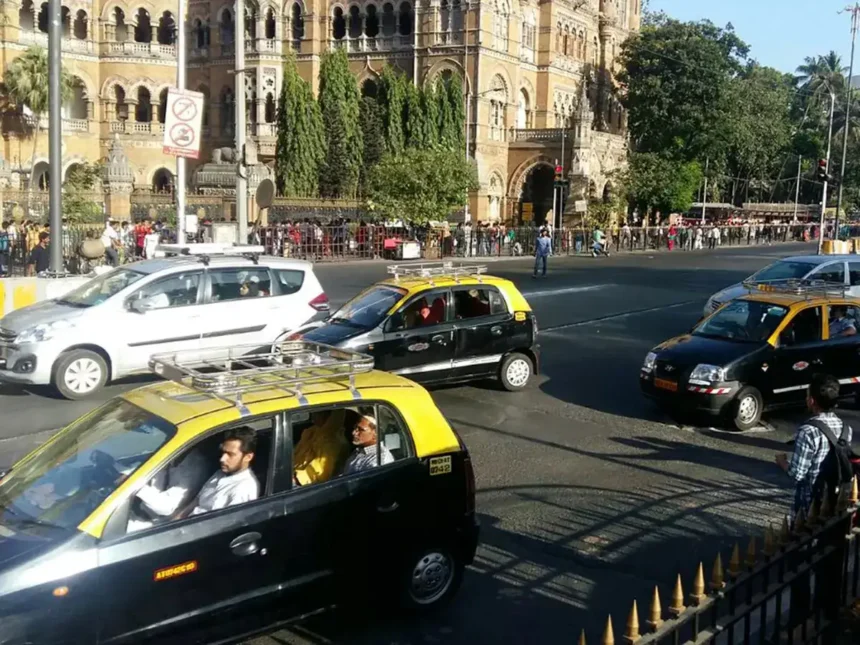
But for many others, the situation meant abandoning their vehicles altogether. The number of black-and-yellow taxis, auto rickshaws and app-based cabs forced off the roads is still unclear, but the shortage had a visible impact on traffic and commuter availability through the day.
Surge Pricing Hits Commuters Hard
As thousands of public transport vehicles ran dry, demand soared on platforms like Ola and Uber. A Mira Road to BKC ride that usually costs around 400 to 450 suddenly jumped to 550, and even crossed 600 in some cases.
The sudden price spike left many commuters frustrated, with some opting for suburban trains or buses to avoid the inflated fares.
MGL Assures Normalcy Soon, Supply Begins to Improve by Evening
An MGL spokesperson said that the supply would return to normal once the damaged pipeline was repaired and gas flow was restored to the Wadala City Gate Station. Efforts were underway through the afternoon, and by evening, the corporation began gradually restarting supply across its network.
While normalisation has begun, full recovery is expected to take time, especially in areas that rely heavily on CNG transport.
A Day of Disruption That Exposed the City’s Dependence on CNG
Sunday’s outage revealed just how deeply Mumbai’s transport system depends on uninterrupted CNG supply. With thousands of taxis, autos and ride-hailing cabs relying on the fuel, even a single pipeline disruption can trigger citywide chaos.
As repair work continues and supply improves, the incident has sparked conversations on whether Mumbai needs better backup systems to prevent similar disruptions in the future.