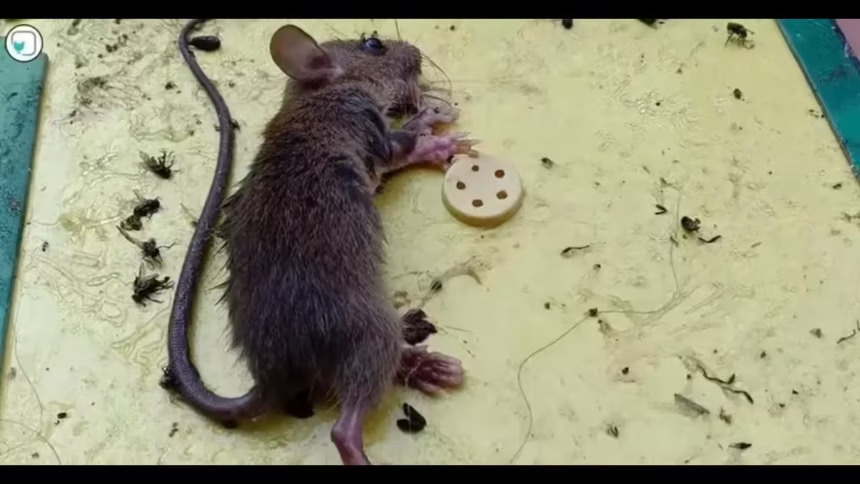
In a move hailed by animal rights activists throughout India, one of Mumbai’s largest pharmacy and retail chains, Wellness Forever, has officially halted the sale of glue traps-adhesive devices used to catch rodents and small animals. This move comes on the heels of an appeal from PETA India, which had requested that the company cease selling the inhumane traps due to the extreme cruelty they inflict on animals.
The announcement is a milestone in the country’s burgeoning animal-welfare movement and sets a powerful precedent for other retail brands to follow. Glue traps are typically sheets coated with strong adhesive that immobilize small animals such as rats, mice, and even birds or reptiles. Once caught, these animals often suffer for hours or days before dying from exhaustion, dehydration, or injury.
How the Change Happened
PETA India wrote to Wellness Forever after receiving several reports of animals getting trapped in these adhesive sheets and dying slow, agonising deaths. Such devices, said the organization, violate not just moral ethics but may also flout the Prevention of Cruelty to Animals Act, 1960, which prohibits causing unnecessary pain and suffering to animals.
Responding quickly, the management of Wellness Forever decided to stop selling glue traps from any of its outlets and online platforms. The brand also instructed suppliers and franchise partners to withdraw any existing stock from their shelves.
“We are proud to align with ethical business practices and take a stand against animal cruelty,” a spokesperson said for Wellness Forever. “We thank PETA India for bringing the matter to our notice and helping us in this positive change supporting compassion and responsibility.”
Why Glue Traps Are Considered Inhumane
Animal welfare organizations have long campaigned for a ban on glue traps, describing them as “torture devices” rather than pest-control tools. When stuck, the animal struggles for its release, often resulting in torn skin, broken limbs, or suffocation. Most of them, even after being rescued, suffer fatal injuries.
In its outreach to companies and government bodies, PETA India shared documented evidence showing animals desperately trying to free themselves, sometimes even chewing off their own limbs. “There are humane alternatives available, such as catch-and-release traps and electronic repellents,” said a PETA India representative. “By removing glue traps, Wellness Forever has taken a strong stand for compassion and responsibility.”
The decision is also in agreement with recommendations by the Animal Welfare Board of India, which had earlier asked the respective state governments to ban glue traps and sales thereof and instead use humane methods for pest control.
Public and Expert Reactions
The news was widely appreciated by animal lovers and environmentalists alike. Mumbai-based animal rescuer Priyanka Mehta termed it “a long-overdue step in the right direction,” adding, “Every small decision by a major brand can have a ripple effect. Wellness Forever’s decision will save countless innocent lives.”
The experts within the pest management field further reiterated that modern, non-lethal alternatives are not only ethical but more effective in the longer run. “Glue traps do not solve the root cause of the infestation,” said pest-control expert Ravi Sharma. “They only target the visible animals while ignoring the real underlying sanitation or entry issues. Humane traps and preventive maintenance are better solutions.”
Growing consumer sentiment in cities for cruelty-free products also influences corporate responsibility. Wellness Forever’s decision comes at a time when a wider global shift is underway, in which ethical consumption and corporate accountability are finding an increasingly central place in brand identity.
A Broader Trend in Retail Ethics
This move by Wellness Forever could prompt other big retailers to rethink their stocking policies regarding animal welfare. A number of similar moves have been seen in countries such as the UK and Australia, where several chains have voluntarily removed glue traps from sale after public pressure.
In India, this movement is still in its infancy. The advocacy groups are now reaching out to hardware stores, online e-commerce platforms, and supermarket chains, seeking an across-the-board national commitment against selling such traps.
“This isn’t about rodents or pigeons,” a PETA India spokesperson said. “It’s about compassion as a business value. When corporations take an ethical stand, they help build a society that values empathy, which is far greater than profit.
The Way Forward
Among other things, Wellness Forever is one of the most recognizable pharmacy and lifestyle brands in Mumbai. Its action has sent a strong message that kind and commerce can go well together. The move by the company is expected to inspire an ethical shift across India’s retail sector amid growing awareness about animal rights in urban centers. It reminds consumers to make humane choices and support businesses that do the right thing. For policymakers, this reinforces the need for stronger enforcement of animal protection laws and nation-wide guidelines against inhumane pest-control devices. In a city as busy and fast-moving as Mumbai, the compassionate decision taken by Wellness Forever stands out as a triumph of empathy and responsible business in proving that small changes in retail decisions can have significant effects on society.