Centre Clears Forest Land for Major Railway Project Near Mumbai
India’s railway infrastructure around Mumbai is set for a significant upgrade after the Central Government approved the diversion of 4.9 hectares of forest land for the proposed Boisar Goods Siding Yard. The project is part of the Mumbai Urban Transport Project Phase III, commonly known as MUTP III, which aims to strengthen suburban railway capacity on the busy Western Railway corridor.
The decision is expected to help ease pressure on train operations between Virar and Dahanu, a rapidly growing suburban belt that has seen increasing passenger demand over the past decade.
What Is the Boisar Goods Siding Yard Project?
A Key Part of Railway Expansion
The Boisar Goods Siding Yard is being developed by Mumbai Rail Vikas Corporation (MRVC), the agency responsible for several railway infrastructure projects in the Mumbai Metropolitan Region. The yard will serve as a support facility for freight operations and suburban train expansion.
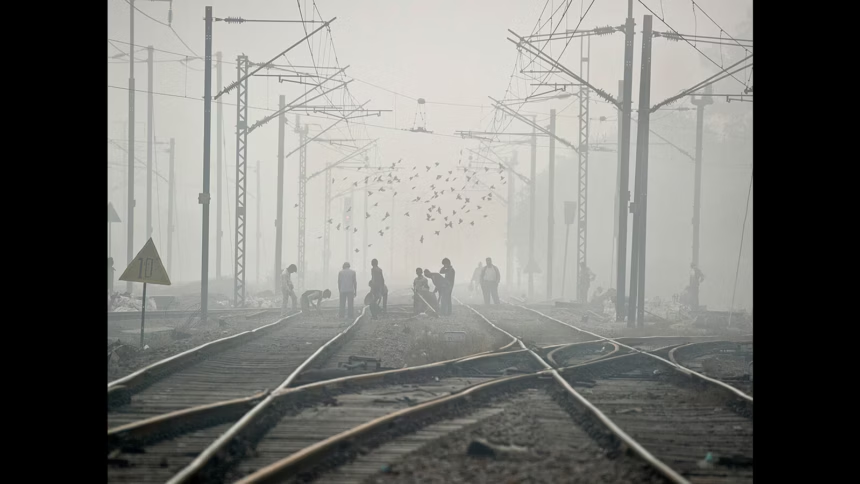
This development is closely tied to the larger Virar–Dahanu quadrupling project, which aims to add extra railway tracks in the region. Additional tracks are expected to improve train frequency, reduce delays, and allow smoother freight movement without disrupting suburban passenger services.
Additional Land Requirements
Besides the approved forest land diversion, about 7.7 hectares of non-forest land will also be required for the siding yard. Authorities have not yet disclosed how many trees may need to be cut, which remains an important environmental concern for many observers.
Why This Project Matters
Rising Commuter Demand
Mumbai’s suburban railway network is one of the busiest in the world. With population growth extending into northern suburbs and nearby districts like Palghar, the pressure on railway infrastructure continues to increase.
The Virar–Dahanu stretch has seen rising commuter numbers due to new housing developments, industrial expansion, and improved connectivity. Expanding track capacity is considered essential to handle this growing demand safely and efficiently.
Supporting Future Developments
The project also aligns with broader regional development plans. These include:
- Expansion of the Mumbai Metropolitan Region
- Development of the upcoming Vadhavan Port
- Plans for a new city in the surrounding region
Improved railway infrastructure is expected to play a crucial role in supporting these developments.
Environmental Clearance and Conditions
Approval by Forest Advisory Committee
The Forest Advisory Committee under the Union Ministry of Environment, Forest and Climate Change granted approval for the forest land diversion in January. The official minutes were uploaded recently, confirming the clearance.
According to the proposal submitted by the state government in October 2025, the land in question is categorized as degraded forest land. Officials stated that it does not fall within a 10-kilometre radius of any national park or wildlife sanctuary.
No Human Displacement Expected
Authorities have indicated that the project will not require relocation of residents. The proposal noted that no human habitation exists in the affected area, meaning no resettlement process will be necessary.
This aspect often becomes a major issue in infrastructure projects, so the absence of displacement may help reduce social conflict.
Compensatory Afforestation Plans
New Forest Area Identified
To offset the environmental impact, forest officials have identified 10 hectares of degraded forest land in Palghar district for compensatory afforestation. This means new trees will be planted to balance the ecological loss caused by the project.
The Divisional Forest Officer of Dahanu confirmed that the selected land:
- Is suitable for tree plantation
- Is free from encroachment
- Is contiguous and manageable for forest development
While afforestation cannot fully replace mature forests immediately, such measures are standard practice for projects requiring forest land diversion.
Previous Railway Infrastructure Clearances
This is not the first time forest land has been diverted for railway infrastructure in the region. Last year, authorities allowed diversion of 43.68 hectares of mangrove forest land in Palghar district.
That approval was linked to the construction of a suburban train car shed and an overhaul workshop for Western Railway.
Such projects indicate a broader push to modernize railway infrastructure in and around Mumbai to keep pace with urban expansion.
How MUTP III Fits Into Mumbai’s Transport Future
Expanding Suburban Railway Capacity
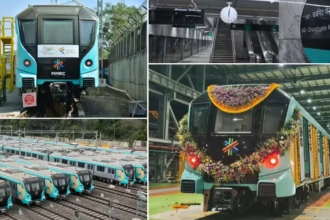
MUTP III includes several major upgrades aimed at improving Mumbai’s rail network. Some key plans include:
- Extending the Harbour line from Goregaon to Borivali
- Adding fifth and sixth railway lines between Borivali and Virar
- Creating additional maintenance and operational facilities
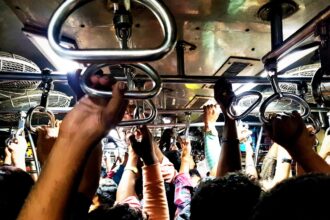
These improvements are expected to increase train frequency, reduce overcrowding, and enhance operational efficiency.
Maintenance Infrastructure Expansion
With more trains planned for operation, maintenance capacity also needs expansion. Estimates suggest that:
- Facilities will be required for maintaining more than 60 additional train rakes
- Overhaul infrastructure will need to support more than 40 rakes
Without such facilities, running additional trains would become difficult.
Current Railway Maintenance Facilities
At present, Western Railway suburban trains are maintained mainly at:
- Mahalaxmi carshed
- Kandivali carshed
- Virar carshed
As suburban expansion moves northward, new maintenance infrastructure closer to emerging suburban areas becomes essential.
The Boisar siding yard could play a supporting role in managing increased operational demand.
Balancing Development and Environment
Infrastructure projects often involve a trade-off between development and environmental conservation. Supporters of the project argue that:
- Improved public transport reduces road congestion and pollution
- Efficient freight handling supports economic growth
- Planned afforestation offsets environmental impact
However, environmental groups typically emphasize the importance of transparency about tree loss and long-term ecological effects.
The final environmental impact will depend largely on implementation, monitoring, and adherence to conditions attached to the clearance.
What Happens Next
With forest clearance granted, the next steps will likely involve:
- Detailed project planning and site preparation
- Environmental compliance checks
- Land acquisition for non-forest areas
- Construction timelines and contractor selection
Railway officials have not yet announced a definitive construction start date.
Impact on Commuters and Industry
For Daily Passengers
Once completed, expanded tracks and improved infrastructure may lead to:
- Increased train frequency
- Reduced overcrowding
- Shorter travel times
These improvements are especially important for commuters traveling from Palghar and surrounding regions to Mumbai for work.
For Freight Movement
The goods siding yard will also improve freight logistics. Dedicated freight infrastructure helps avoid interference with passenger services, improving overall railway efficiency.
Industries in northern Mumbai suburbs and nearby districts could benefit from smoother logistics.
The approval for diverting forest land for the Boisar Goods Siding Yard marks another step in expanding Mumbai’s suburban railway infrastructure. While development promises better connectivity, economic growth, and commuter convenience, environmental considerations remain an important part of the discussion.
If implemented carefully with proper safeguards, the project could significantly improve railway capacity in one of India’s busiest regions while balancing environmental responsibilities.