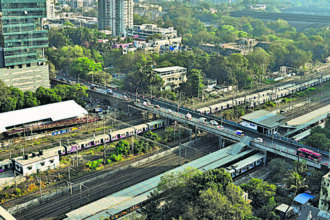
Mumbai’s lifeline — the suburban railway network — witnessed minor but widespread delays on Monday morning after signal-related glitches disrupted services on multiple routes. The issue led to slower movement of trains during peak hours, causing inconvenience to thousands of daily commuters across the city.
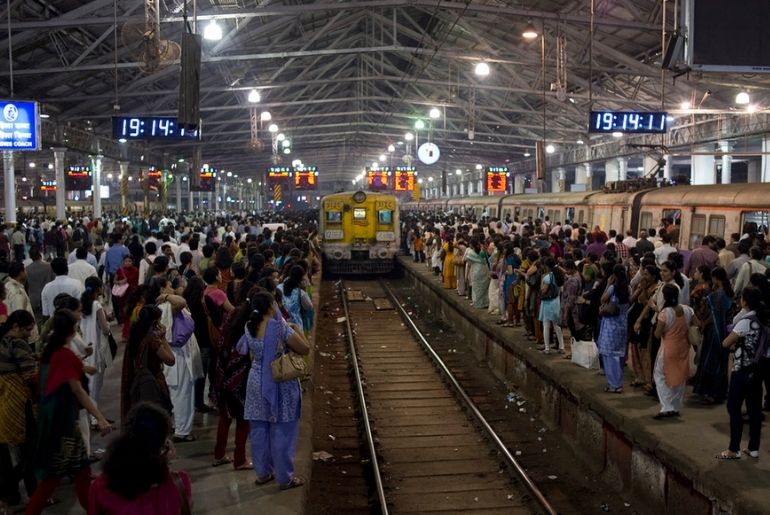
According to officials from the suburban railway division, the disruption was reported early in the morning when signal failures were detected at a few critical junctions. As a precautionary measure, train speeds were regulated to ensure passenger safety, resulting in cascading delays on the Central, Western, and Harbour lines. While no major cancellations were announced, several trains ran behind schedule, leading to crowding at stations.
Commuters at major stations such as Dadar, Kurla, Thane, and Andheri reported extended waiting times and congestion on platforms. Office-goers and students were seen adjusting their travel plans, with many opting for alternative transport such as buses, taxis, and app-based cab services. Peak-hour rush further compounded the situation, especially between 8 am and 11 am.
Railway officials clarified that the issue was technical in nature and not linked to any safety lapse. “Signal glitches were identified at select locations due to system calibration issues. Our technical teams responded immediately and corrective action was taken on priority,” a senior railway official said. He added that normal services were gradually restored as engineers rectified the fault and reset affected systems.
Despite the delays being described as “minor” by authorities, commuters expressed frustration, pointing out that even small disruptions have a significant impact in a city where millions rely on local trains every day. “A delay of 10–15 minutes may sound small, but during rush hours it leads to overcrowding and missed connections,” said a daily commuter travelling from Thane to CST.
Railway staff were deployed at key stations to manage crowds and assist passengers. Public address announcements were made regularly to keep commuters informed about train movement, and additional coordination was maintained between station masters and control rooms to ensure smooth regulation of traffic. Officials also urged passengers to remain patient and follow safety guidelines while boarding and alighting.
Experts note that Mumbai’s suburban network, one of the busiest in the world, operates under immense pressure due to high frequency and limited margins for error. Even a minor technical issue can ripple across the system, affecting services far beyond the original fault location. Over the years, efforts have been made to modernise signalling systems, but ageing infrastructure in certain sections continues to pose challenges.
The incident has once again sparked conversations around the need for faster upgrades and predictive maintenance. Commuter groups have urged authorities to accelerate the implementation of advanced signalling technologies and real-time monitoring systems to reduce disruptions. “With increasing passenger load, investment in robust infrastructure is no longer optional — it’s essential,” said a representative of a commuters’ association.
By late morning, railway officials confirmed that train services were moving closer to normalcy, though slight delays persisted on some stretches. Passengers were advised to check official updates before commencing their journeys and to allow extra travel time during peak hours.
As Mumbai continues to depend heavily on its suburban railway network, such incidents highlight the delicate balance required to keep the system running smoothly. While the swift response by railway staff helped prevent major chaos, commuters hope that long-term solutions will minimise recurring disruptions and ensure a more reliable travel experience in the city.