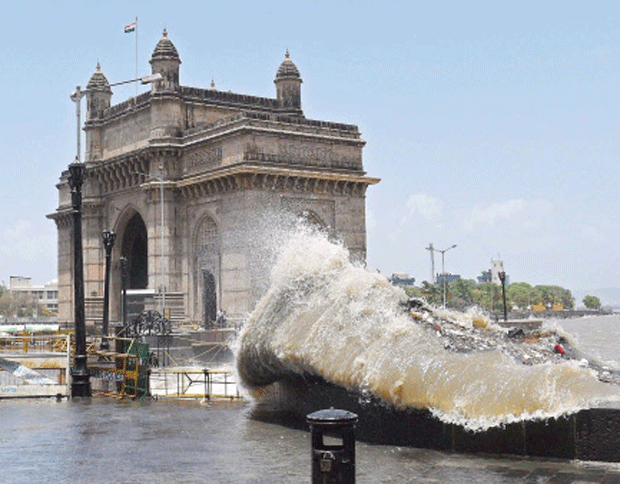
The authorities have issued a high tide warning along Mumbai’s shoreline, asking residents, commuters, and visitors to take precautions over the next days, as sea water-level would rise unusually high. The BMC, in collaboration with the IMD and disaster management departments, issued warnings that high tides with strong winds will further result in rough seas, siltation at several places, and traffic disruptions across the city’s low-lying coastal stretches.
Officials said the warning was issued as a precautionary measure in view of tidal surges which are expected to rise above the normal during early morning and late evening hours. Arabian Sea coastline including Marine Drive, Girgaum Chowpatty, Juhu Beach, Dadar Chowpatty and part Colaba were likely to witness heavy seas and water splashing on promenades and roads. Civic teams have been deployed to keep a watch on vulnerable spots and ensure public safety.
The BMC, on its part, has urged citizens not to head towards any seafronts, promenades, or beaches during high tide timings. Various barricades have been erected at several coastal entry points to restrict people from going closer to the shore. Home guards, disaster response teams, and local police units are on standby to monitor crowds and reach out quickly in case of an emergency. Fishermen have also been warned against venturing into the sea, as rough waters and unpredictable currents could be really dangerous.
High tide events in Mumbai have in the past led to temporary waterlogging in low-lying coastal pockets, particularly when tides coincide with rainfall. No heavy rain is forecast currently, but officials warned that even moderate showers along with high tide can overwhelm drainage systems. The city’s stormwater drainage department has been asked to keep pumping stations functional and ensure the floodgates are efficiently managed to prevent ingress of seawater into the city.
Public transport and civic services too have been put on alert. BEST bus routes, which take coastal stretches, might be diverted in case of water-logging, while traffic police are geared to regulate movement in affected areas. People residing in coastal and reclaimed zones have been asked to be vigilant, tie loose items and avoid traveling during peak tide hours.
Environmental experts say that over the years, Mumbai has become increasingly vulnerable to high tides due to rapid urbanization, land reclamation, and rising sea levels linked to climate change. Much of the city is built on its coast, and even normal tidal variations can have noticeable impacts on daily life. Experts stress the need for long-term coastal resilience planning, including better drainage infrastructure, sustainable urban development, and early-warning systems.
The disaster management department has assured the citizens that the situation is being closely monitored and the alert is pre-emptive in nature. Officials urged people not to panic but follow the advisories strictly and cooperate with the authorities. Emergency helplines continue to function, and the residents have been encouraged to report any incidents of waterlogging, fallen structures, or hazardous conditions.
For Mumbai, juggling between the features of a coastal geography and an ever-demanding, dense urban population, warnings of high tide continue being of essence in reminding its proximity with the sea. Public cooperation, say authorities, stands central to reducing risks, whereas unnecessary exposure in the coastal area during alert periods would reduce the accident/emergency chances to a large extent. The civic administration will further issue updates based on tidal readings and weather conditions. Inhabitants have been advised to keep themselves updated through authentic sources and follow the safety instructions till the atmosphere is back to normal.