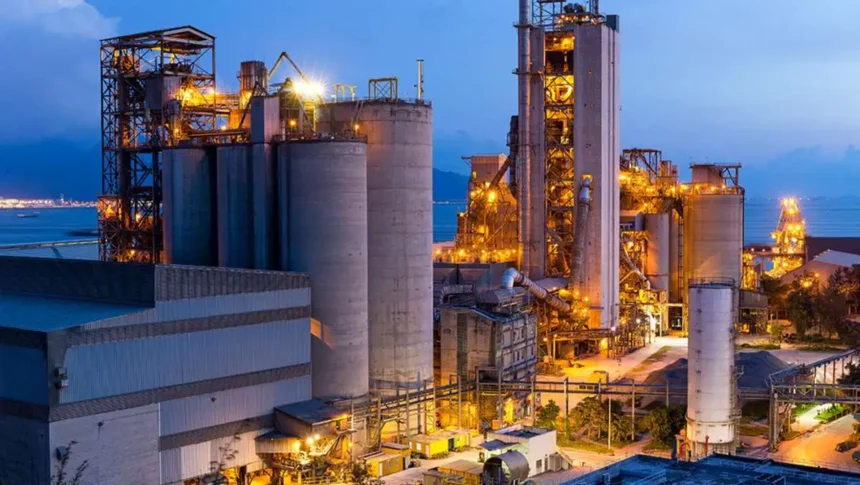
In a major crackdown to tackle deteriorating air quality, the Maharashtra Pollution Control Board has ordered the shutdown of 19 ready-mix concrete plants operating across the Mumbai Metropolitan Region. The decision comes amid alarming spikes in pollution levels, with Mumbai recording an Air Quality Index of more than 270, placing the air in the “unhealthy” category.
The move comes after a combined inspection drive by MPCB officials along with the Brihanmumbai Municipal Corporation (BMC) found several RMC plants violating environmental guidelines. Many of the units were said to be functioning without proper dust-control systems, appropriate enclosures, or pollution-control equipment at their premises, which highly contributed to increased levels of particulate matter (PM2.5 and PM10).
Crackdown Triggered by Worsening Air Quality
The air quality of Mumbai has sharply deteriorated in recent weeks because of stagnant winter winds, construction activity, and emissions from vehicular traffic. Environmental monitoring stations across the city and surrounding regions have recorded PM2.5 levels way above acceptable limits.
Construction activities, particularly RMC plants, have been pinpointed by authorities as primary sources of dust in the air, which is very harmful and causes respiratory ailments, besides irritating the eyes.
A senior MPCB official said, “These closures were needed. Public health cannot be compromised. The RMC units that do not comply with the environmental norms will remain closed till they install proper pollution-control systems.”
Violations Found Across Multiple Plants
The 19 RMC plants shut down were located across areas such as Thane, Navi Mumbai, Kalyan, Vasai, and the outskirts of Mumbai. Common violations observed:
Absence of dust-suppression systems such as water sprinklers
Insufficient enclosure of mixing units, with cement and dust being allowed to disperse.
Fugitive dust emissions from material handling
Failure to use anti-smog guns, now compulsory in high-pollution zones
Lack of wastewater treatment and safe disposal mechanisms
Many of the units were found to be functioning over and above the sanctioned capacity with no valid environmental clearances. MPCB has threatened repeat offenders with permanent closure of licenses.
BMC Steps Up Monitoring in the City
Apart from MPCB’s action, the BMC has increased monitoring of construction sites across Mumbai. In the past month alone, over 350 such sites were inspected, and dozens were penalized for not adhering to norms regarding dust mitigation.
With major infrastructure projects in full swing, including metro lines, flyovers, and coastal roads, the civic body has tightened checks to ensure that pollution-control protocols such as covering debris, installing barricades, and misting systems are followed by contractors.
BMC officials also confirmed that anti-smog guns have been deployed in high-traffic pockets like Andheri, Sion, Chembur, and Malad for reducing dust accumulation.
‘Environmental Experts Welcome the Move’
MPCB’s stern step has been viewed as a necessary step to safeguard the residents from long-term health risks by environmentalists and health experts.
The experts believe that RMC plants, though necessary for construction, have to operate with close environmental monitoring. Unregulated concrete plants spew fine dust that reaches deep into the lungs, raising risks of asthma, bronchitis, and cardiovascular diseases.
“Concrete dust is amongst the most hazardous pollutants. Shutting these operators down sends a strong message to other operators,” said an environmental researcher from IIT-Bombay.
Industry Reacts: Mixed Response
The construction industry, however, has mixed reactions. While recognizing the need to comply with environmental requirements, RMC operators cite possible slow-down of infrastructures and increase in project costs if such sudden shutdowns are implemented.
A few companies have requested a grace period from MPCB to upgrade their pollution-control systems. However, officials say plants operating without even basic dust-control equipment cannot be allowed to function.
Next Steps: Compliance First, Operations Later
MPCB has clarified that the closed plants can resume operations only after installing:
Fully enclosed mixing units
Dust-suppression systems
Wastewater treatment configurations
Anti-smog guns
Real-time pollution monitoring devices
A follow-up inspection will be conducted before clearances are reinstated.
A Wake-Up Call for the Region This crackdown is an added reminder that there is no compromise with industrial compliance, particularly within environmentally stressed urban precincts such as Mumbai. With pollution levels expected to surge during winter months, MPCB and BMC are ready for more frequent inspections coupled with stern action. For now, the shutdown of 19 concrete plants is a significant victory for environmental regulation in Maharashtra – and a necessary step to ensure cleaner air for millions of residents.