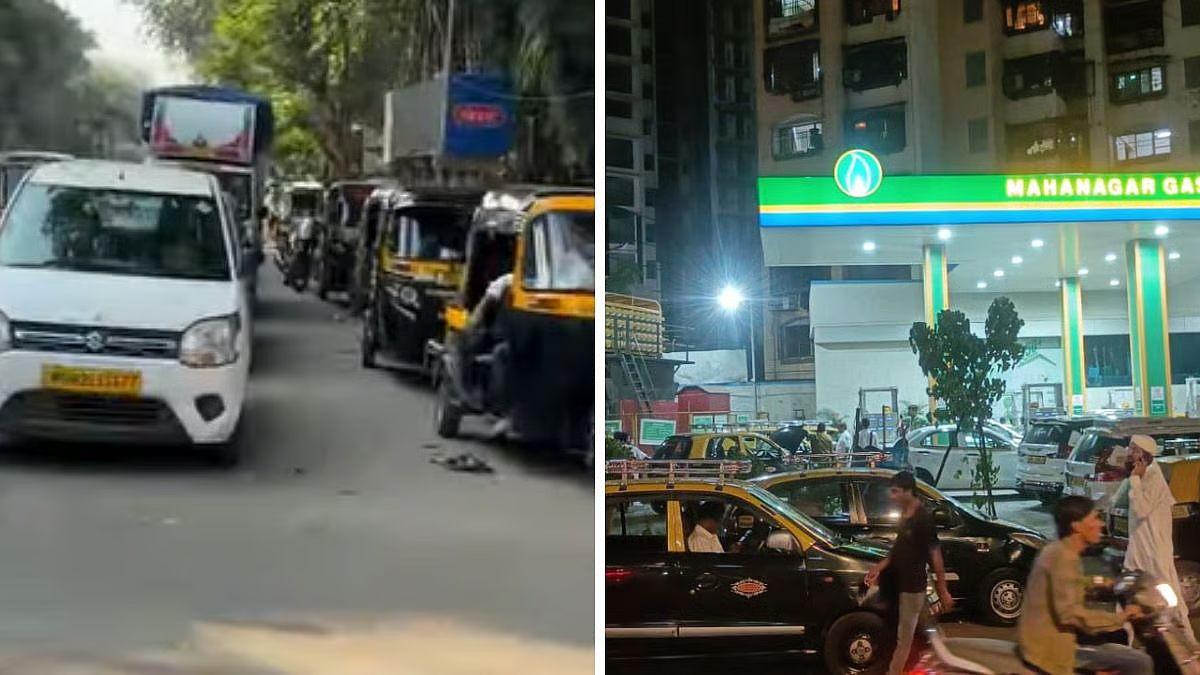
A sudden reduction in the supply of Compressed Natural Gas forced hundreds of refuelling stations to shut down across the city and suburbs, which caused a major disruption to Mumbai’s road transport system this week. The shortage, triggered by damage to a key pipeline, has affected autorickshaws, taxis, buses, and CNG‑powered private vehicles, leaving commuters struggling to find transport and causing surge pricing on ride‑hailing platforms.
Pipeline Damage Halts Supply
It all started after a third‑party incident damaged a GAIL pipeline situated inside the RCF compound at Chembur. The pipeline feeds at MGL’s Wadala City Gate Station, which is a critical entry point for CNG into the Mumbai network. MGL subsequently suspended CNG supply to all 486 stations in the MMR with immediate effect to prevent further safety risks.
MGL assured residential consumers that the supply of PNG for homes remained unaffected, as the company prioritized households. But public transport vehicles and commercial users of CNG were severely affected until repairs were completed.
Impact on Public Transport
Mumbai largely uses CNG to run its autos, kaali-peeli taxis, and several of its city buses. With stations closed, many vehicles have been forced off the roads, creating a ripple effect across the city’s commuting system. Auto-rickshaw drivers have reported long queues at the few stations with residual supply, while taxis and buses are operating at reduced capacity.
The effect is being felt by school bus operators too, who are having to combine routes or delay pickups, thus affecting students and parents directly. For daily wage earners and transport operators, the shutdown is especially critical as many of the drivers depend on day-to-day earnings. This sudden halt in operations could amount to massive financial losses if the disruption were to continue.
Commuters Face Delays and Higher Fares
As a potential result, commuters are experiencing delays and higher fares due to a reduction of available vehicles. Ride-hailing platforms including Ola and Uber reportedly charge surge pricing because fewer cabs are on the roads. These regular commuters have shifted to other travel modes, including Mumbai’s local trains, metro services, and shared rides, adding an extra load to already overburdened public transport.
Further, despite operational CNG pumps, traffic jams due to queues for refueling have turned worse, inviting potential safety disasters besides slowing down the movement on roads. Commuters and transporters alike are seeing a call for quick resolution to mitigate the all-pervasive inconvenience.
Authorities and Companies Respond
MGL has confirmed that repair work is underway on the damaged pipeline, but it has not given a specific timeline for the full restoration of CNG supply. The authorities are keeping a close eye on the situation and are in liaison with transport operators to tackle the crisis. Businesses involving logistics operations dependent on CNG have been advised to use alternative sources of fuel for the time being.
The representatives of the industry have asked for prioritizing the interests of Mumbai’s energy infrastructure, citing how a single point of failure in the pipeline system can seriously disrupt the city’s mobility. With residential supply maintained in full, the impact on daily commuting underlines the need for contingency plans to ensure continuity in public transport.
Economic and Social Implications
This supply cut is multifaceted in implication: loss of daily income among drivers, increased cost of commuting among passengers, disrupted school transport, and business logistics. Long queues at limited operational stations may also create traffic snarls, adding to public frustration.
The dependence of the city on CNG only underscores the need for infrastructure resilience. Experts thus recommend diversification of fuel sources and the installation of backup systems in order to prevent such instances in the future. Incidents like this, therefore, raise an alarm for both policymakers and energy providers as Mumbai’s population and vehicular traffic continue to rise. Looking Ahead MGL has assured that CNG supply will resume once repairs are complete and the Wadala City Gate Station is operational. Commuters are advised to plan their travel accordingly and consider alternative modes of transport until the situation normalizes.
Meanwhile, transport operators, the administration, and citizens brace themselves for continued challenges as Mumbai navigates this temporary yet significant dent in its road transport network. The cut in the supply of CNG serves as a sharp reminder of the importance of energy infrastructures for urban mobility. Even a short interruption has far-reaching consequences for daily life in a city where public transportation is already stretched to its limits, which calls for proactive planning and quick crisis management.