Devendra Fadnavis’ Big Mumbai Pitch: An Underground Road Network Inspired by “Paatal Lok”
Maharashtra Chief Minister Devendra Fadnavis has managed to turn a routine infrastructure update into a nationwide talking point. And he did it with a single phrase: Paatal Lok.
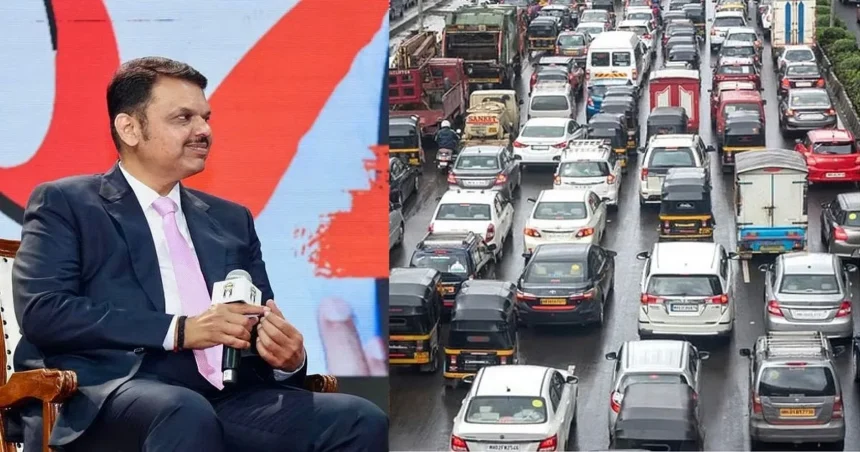
During an interaction on Monday, Fadnavis revealed the state’s plan to build a massive system of underground tunnels across Mumbai—a parallel network designed to mirror the city’s existing roads. His use of the phrase instantly went viral, thanks to its association with the popular Hindi thriller series known for its gritty portrayal of the netherworld.
But behind the catchy reference is one of the most ambitious mobility plans Mumbai has ever heard.
What Is the “Paatal Lok” Tunnel Project for Mumbai?
Fadnavis announced that the government is designing a widespread network of tunnels directly beneath major roads. The ultimate goal is to ease congestion in India’s financial capital, where millions spend hours stuck in traffic every day.
A Parallel City Beneath the Surface
The chief minister described the tunnels as a full-fledged mirror network to existing roads. That means for every major road above ground, there could be an alternative route running below it.
These tunnels would allow smoother travel, reduce traffic on choke-point stretches, and create a new layer of connectivity without disturbing the city’s extremely limited surface space.
Supported by Metro Corridors
Fadnavis added that Mumbai’s expanding metro network will complement this plan. Together, the metro lines and underground tunnels are expected to form a multi-layered transport system that functions above and below ground—something only the world’s most advanced cities currently operate.
Key Infrastructure Additions Announced
Apart from the large-scale tunnel vision, Fadnavis laid out several specific projects aimed at transforming travel across Mumbai.
New Parallel Road Between Borivali and Goregaon
This stretch will give suburban commuters a faster alternative and is expected to significantly ease traffic during peak hours.
Worli-Shivdi Connector
Expected to be functional next year, the connector will help create smoother travel from Atal Setu all the way to the Bandra-Worli Sea Link. This is expected to improve north-south connectivity, which is currently one of Mumbai’s biggest challenges.
Bandra to BKC Tunnel for Better Airport Access
A separate proposed tunnel will connect Bandra to the Bandra Kurla Complex, cutting down travel time to the airport and reducing surface congestion near key business hubs.
Why the Announcement Went Viral
While infrastructure announcements are not uncommon, the phrase “We are creating a Paatal Lok” is what made this one explode online. The cultural reference instantly intrigued people, sparking reactions across social media.
Some users celebrated the idea of a futuristic underground network, while others joked about the city finally getting its own literal underworld. Many saw the phrase as a clever way to grab attention for a serious infrastructure plan.
But beyond the trending phrase, the idea itself is massive, and it has triggered widespread debate about feasibility, cost, and timelines.
Can an Underground Tunnel Network Actually Decongest Mumbai?
Mumbai is one of the most densely populated cities in the world, and its road network is stretched to the limit. With no room to expand horizontally, the only options left are vertical—either building above or below ground.
The Underground Advantage
Tunnels offer several benefits in a city like Mumbai:
- No disturbance to heritage structures or coastal zones
- Potential to move high traffic volumes quickly
- Relief from surface-level bottlenecks
- Weather independence, especially during monsoon
If executed well, tunnels could transform the way the city moves.
The Challenges Ahead
However, challenges are equally real:
- Monsoon flooding
- Maintenance of deep underground routes
- Enormous construction costs
- Space for entry and exit ramps
- Disruption during initial digging phases
Experts say it’s possible—but only with detailed planning, long-term budgeting, and modern safety systems.
Politics Enters the Conversation
After laying out the infrastructure plan, Fadnavis shifted to political commentary, addressing the upcoming Brihanmumbai Municipal Corporation (BMC) elections—one of the biggest political battlegrounds in Maharashtra.
Numbers vs Ideology
According to Fadnavis, politics runs on two pillars: ideology and numbers. But without numbers, ideology cannot be executed. Referring to Prashant Kishor’s political attempts in Bihar, he said that ideals alone cannot win seats.
Coalition Politics and Today’s Landscape
Fadnavis mentioned that while parties may differ on ideology, they can still govern together under a common minimum programme, as seen in various coalition governments in the past. He noted that the 1990s were chaotic for central politics, with frequent changes in government, but that recent years have seen stronger ideological clarity.
On Corruption
He also pushed back against the idea that the entire political system is corrupt. He claimed that while some states have issues, the Union government does not have a single corruption allegation against it.
Public Reaction to the “Paatal Lok” Vision
The proposal has sparked a mix of excitement, humour, and skepticism.
Optimism
Many citizens believe that something as radical as an underground network may finally be the bold move Mumbai needs. Daily commuters especially welcomed the idea of faster routes and congestion-free travel.
Questions Being Raised
Others are asking:
- When will construction start?
- How many years will the project take?
- How will safety be ensured?
- What will be the budget?
- How will Mumbai’s fragile underground ecosystem be protected?
The Cultural Angle
People also noted the clever branding move. In a city constantly buzzing with entertainment references, invoking a famous web series may have been the perfect way to ensure the project catches everyone’s attention.
What Comes Next?
The “Paatal Lok” tunnel plan is still in its early stages, with detailed designs and feasibility studies expected to follow. As Mumbai continues to grow and struggle with strain on infrastructure, radical solutions like this are gaining importance.
Whether the tunnels will become a landmark achievement or remain an ambitious dream will depend on execution, political stability, and long-term investment.
For now, the phrase has captured the city’s imagination—and sparked one of the biggest infrastructure conversations of the year.