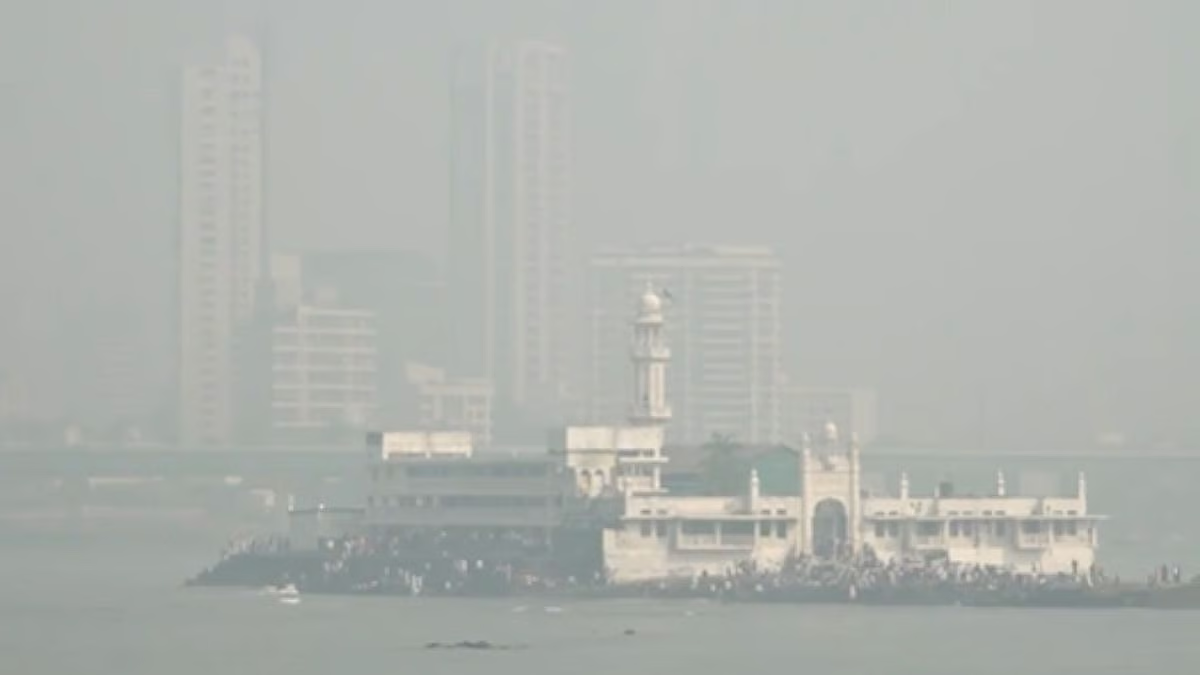
Mumbai Weather Turns Hazy as Pollution Rises and Temperature Drops
Mumbai began its Monday morning wrapped in a dense haze, signaling yet another day of declining air quality across the city. With temperatures dipping slightly and the typical coastal winds failing to clear the air, Mumbai residents woke up to a visible layer of pollution hanging low over the skyline.
According to updated readings, the city’s air quality index (AQI) touched 176, placing it firmly in the ‘moderate’ category but inching closer to the ‘poor’ range. Combined with falling temperatures and calm winds, the city is now experiencing the seasonal transition that traditionally brings poorer air quality between November and January.
Temperature Dips, Clouds Loom: IMD Predicts More Weather Changes
The Indian Meteorological Department (IMD) has forecast partly cloudy skies for Mumbai on Monday, especially toward the evening.
- Maximum temperature: around 33°C
- Minimum temperature: around 22°C
A mild cool breeze has made the weather more comfortable, but the same atmospheric calmness is contributing to the build-up of pollutants.
In a surprising twist to the typical winter onset, the IMD has also warned of possible thundery activity within the next 48 hours. This indicates unstable conditions in the upper atmosphere, which could bring light weather disturbances but not enough to significantly improve the air quality.
Local Temperature Readings Across Mumbai and Surrounding Cities
Weather observations from IMD Mumbai highlight varying temperature patterns across the region:
Mumbai
- Colaba: Minimum temperature at 23.5°C
- Santacruz: Minimum temperature at 21.2°C
- Rainfall: None recorded so far
Konkan and Western Maharashtra
- Ratnagiri: 22.4°C with 75% humidity
- Dahanu: 21°C with 74% humidity
- Pune: 16.7°C with high humidity at 89%
- Mahabaleshwar: One of the coldest in the region at 18°C
The consistent humidity and low wind speed across the Konkan belt have further slowed the natural dispersal of pollutants.
Why Mumbai’s Air Quality Is Getting Worse
As Mumbai transitions from monsoon to winter, meteorological conditions tend to trap pollutants closer to the surface. Experts explain that the city’s AQI typically worsens from November to January due to:
- Reduced moisture in the air
- Lower wind speeds
- Cooler nights causing pollutants to settle
- Absence of cleansing rain
These patterns have been observed consistently since 2022 and continue to pose challenges for public health and city management.
Mumbai vs Delhi: Pollution Gap Widens
While Mumbai’s AQI sits at 176, Delhi continues to battle far more severe pollution.
As of the latest readings:
- Delhi AQI: 391 (very poor category)
This contrast highlights how North India remains trapped in post-harvest smog, industrial emissions, and stagnant air, while Mumbai is only beginning to see its seasonal dip.
What the AQI Numbers Really Mean
For better context, here’s how India categorizes air quality levels:
- 0–100: Good
- 100–200: Moderate
- 200–300: Poor
- 300–400: Very Poor
- 400–500+: Severe
With Mumbai already at 176 and trending upward, residents may experience more frequent hazy mornings, breathing discomfort, and reduced visibility in the coming weeks.
What Mumbaikars Should Expect
With winter approaching, the city is likely to face more:
- Hazy mornings
- Cooler nights
- Sluggish winds
- Rising pollution levels
Unless a significant weather change occurs or rainfall helps clear the air, Mumbai’s AQI may worsen further through December.
The IMD’s prediction of thundery conditions brings a slight chance of temporary relief, but not a substantial improvement.
For now, staying aware of daily AQI levels and taking precautionary measures is the safest approach for residents, especially children, elderly individuals, and those with respiratory issues.