Tucked away in the eastern suburbs of Mumbai, Powai Lake has long been a scenic landmark and recreational hub. However, the lake is sounding a clear SOS these days-as a large inflow of untreated sewage and the rampant growth of an invasive aquatic plant, Water hyacinth, is pushing its ecosystem to the edge.
Overview of the Crisis
A report commissioned by the Brihanmumbai Municipal Corporation estimated that around 18 million litres of sewage water are discharged into Powai Lake each day – through at least 18 outfalls along its perimeter.
That nutrient-rich inflow, which is not treated, is fueling massive proliferation of water hyacinth that blankets large portions of the water surface — blocking sunlight, choking oxygen, and disrupting aquatic life.
Why It Happens
Meanwhile, expansion around the lake’s catchment area has poorly outpaced proper sewage and storm-water infrastructure; instead of carrying rainwater, many storm water drains are used to dump domestic wastewater and untreated sewage into the lake.
The hyacinth thrives in water bodies with high nutrient levels, especially phosphates and nitrates coming from sewage and organic pollution; it covers great areas of the surface rapidly.
The growth of hyacinth and similar vegetation inhibits sunlight penetration and prevents the natural mixing of the water column, thereby lowering oxygen levels and harming fish, plants, and other aquatic fauna.
Impact on Ecology and Local Community
Loss of Aquatic Life: When oxygen levels drop, fish and other organisms die or migrate. A thick mat of hyacinth also disrupts the food chain and habitat.
Reduced water quality: The sewage inflow and stagnation of water together degrade the quality of the lake, hence creating public health and environmental concerns.
Reduced aesthetic & recreational value: Large patches of the lake covered with green weed and litter decrease its scenic and leisure value, raising a matter of concern to the residents and local businesses.
Biodiversity threat: There are birds, crocodiles, and other species in Powai Lake. Unchecked weed growth and pollution pose a threat to their habitat.
Infrastructure risk: Vegetation and sludge deposits create overflow and silting problems which reduce the holding capacity of the lake, thereby increasing risks of flooding, particularly with monsoon rains.
Realizing the urgency, BMC has charted a multi-pronged plan:
A tender has been floated to construct a new 8 million litres per day (MLD) sewage treatment plant (STP) at the defunct Powai pumping station site, and to lay interceptor sewer lines to divert up to 16–18 MLD of sewage.
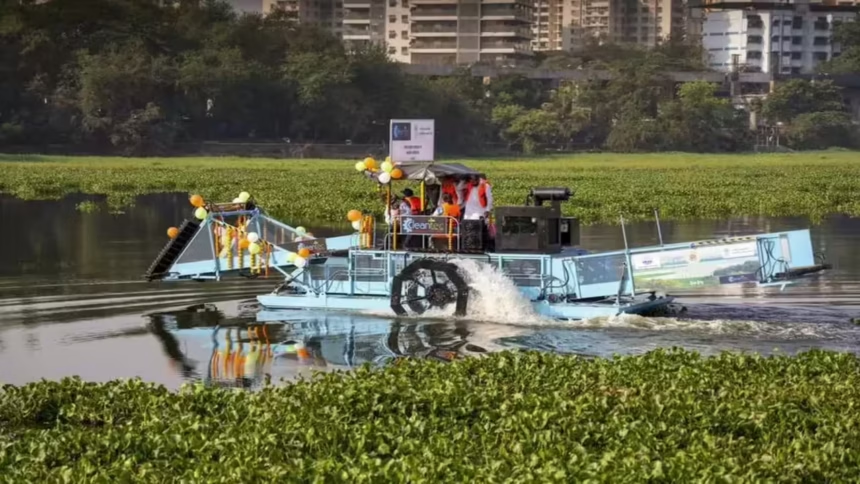
Recently, the BMC removed approximately 1,450 metric tonnes of water hyacinth in 10 days (May 23–June 1) using five harvester machines as a short‑term mitigation measure
The BMC has allocated approximately ₹8 crore for removing hyacinth and ₹108 crore for sewage diversion and treatment works in the lake’s rejuvenation plan.
The NGT has ordered a joint inspection of Powai Lake to study ecological damage and hold authorities accountable.
What Needs to Be Done While cleanup operations are necessary, experts emphasize that root-cause remediation is key to long-term recovery: The canal removal, quicker execution of the new interceptors and STP, will ensure that untreated waste stops entering the lake. Until then, the hyacinth will keep growing. Dredging and silt removal: Sedimentation reduces capacity and effectiveness of the lake; periodic desilting can restore holding capacity and water movement. Regular clearance & maintenance: Machinery on its own is not enough; a program of regular clearance of growth and debris needs to be implemented.
Legal protection and conservation status: Activists demand that the lake be declared a protected wetland. When official status is granted, oversight and resource allocation intensify. Community engagement and litter control: Public awareness, restrictions on discharges near the lake, better enforcement of dumping and ritual-immersion practices will help in reducing pollution load. Why It Matters Powai Lake is much more than a body of water; it is a keystone in the local ecosystem, an asset for recreation, and one of the city’s most important symbols of urban nature within the heart of Mumbai. Its degradation is a signal of what transpires when infrastructure lags behind growth in an urban setting. The way the lake is revived-or further degraded-will stand as a benchmark for how Indian cities manage their urban lakes, wetlands, and water ecosystems.
The message from Powai Lake is loud and clear: you cannot clean a lake by merely removing weeds; you have to stop sewage, maintain healthy water flow, and manage the ecosystem holistically. With bold action, timely infrastructure, and collaboration at the level of citizens, the lake can still be restored. Otherwise, the green patches will continue to be a symptom of deeper ecological decay rather than nature’s bounty. The time to act is now — for Powai, for Mumbai, and for our urban waterways everywhere.