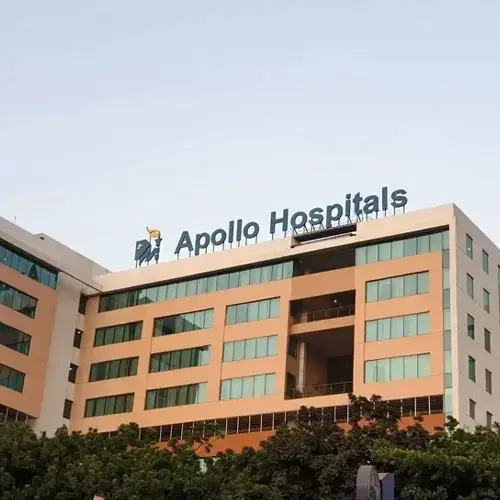
With a view to strengthen passenger safety and healthcare preparedness, Apollo Hospitals has signed an agreement with Navi Mumbai International Airport to provide round-the-clock emergency medical services for airport staff and travelers. The partnership is a significant step in enhancing medical response infrastructure at one of the most anticipated upcoming aviation hubs in India by making immediate care available in the event of medical emergencies on-site.
The new agreement provides for establishing a fully equipped medical centre within the airport. It would be manned by all categories of trained personnel, including casualty physicians, critical care nurses, and other para-medical staff. The centre is expected to function on a 24×7 basis to address not only routine health-related issues but also emergencies. This follows the standards at most international airports, where preparedness and quick response form the guiding principles in ensuring the health safety of travelers.
Of the many highlights of this partnership, there is a deployment of ICU ambulances, to be strategically placed within the airport for quick access in case of patient evacuation. Equipped with this, critical patients will be stabilized on board en route to Apollo Hospitals’ tertiary care facilities nearby, thus assuring continuity of advanced medical support. It is this level of medical mobility that is particularly important during life-threatening situations such as cardiac arrests, serious injuries, sudden respiratory distress, among others, when every minute counts.
Besides that, AEDs will be installed around the terminal at high-footfall locations like check-in zones, baggage claims, boarding gates, and security hold areas. Training airport staff in operating such devices will enhance immediate first-response capability before medical teams arrive at the scene. The presence of AEDs is particularly important in reducing mortality from sudden cardiac arrest, an emergency that can strike unannounced and requires immediate intervention.
According to officials from Apollo Hospitals, this is part of a larger initiative to increase accessible emergency care with strengthened public health infrastructure in areas of high mobility. Airports, they said, represent one environment where unexpected medical incidents may be linked to stress, long travel time, different climatic exposures, and predisposing health problems of passengers. Having a quick response system set up in place can ensure improvement of outcomes and reduction of critical risks in such areas.
NMIA representatives said that throughout its planning and development phases, the well-being of passengers has been of main concern. With fast-expanding air travel in the country, quality health and safety standards are not only crucial to ensure competitiveness on the global front but also vital in nurturing passenger confidence. The airport’s healthcare system is set up in a manner that caters not only to emergency interventions but also routine care-for instance, dehydration, fatigue, minor injuries, allergic reactions, and other common problems faced by travelers.
The collaboration also underlines the importance of training and awareness programs. Apollo Hospitals will periodically conduct training in first-aid, CPR, and emergency response protocols among airport staff, security personnel, and ground service teams. These skills are important in enabling timely assistance during precious seconds before the arrival of the medical team.
Analysts say this partnership reflects a similar trend of airports across metros in India focusing on integrated healthcare services. With traffic continuing to swell, especially due to expanded international travel corridors, airports are no longer just places of transit but ecosystems where basic services are offered on location.
For Navi Mumbai, this comes at a time when the city is fast emerging as a commercial and residential hub with businesses, travelers, and new investments in infrastructure. This not only helps to enhance visitor safety but also positions the region as a modern, well-prepared urban zone with advanced emergency care support.
As NMIA gets closer to full operational status, the medical preparedness plan will assume center stage to guarantee seamless and secured travel experiences. With dedicated medical infrastructure, trained personnel, and high-level emergency capability, this partnership underlines a proactive approach toward passenger welfare that reflects both international best practices and commitment to public health excellence.