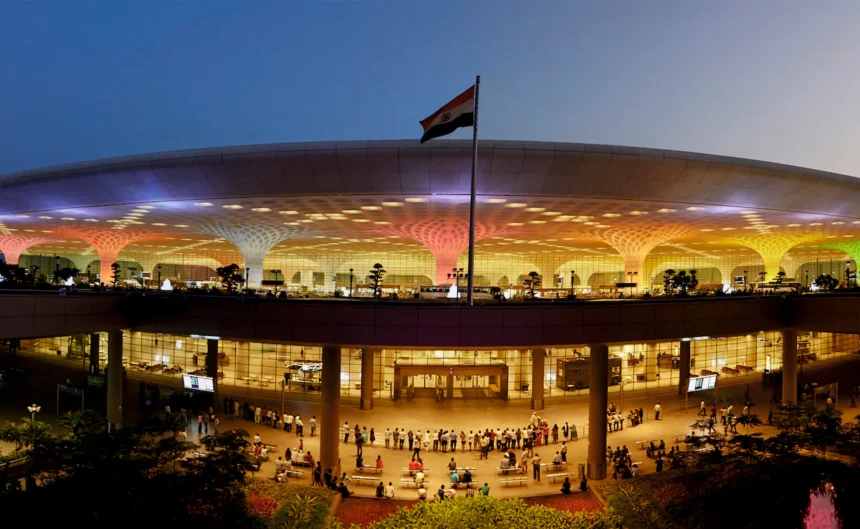
On October 11, 2025, Chhatrapati Shivaji Maharaj International Airport (CSMIA) in Mumbai was placed on high alert following bomb threat incidents involving two IndiGo flights. The swift response by airport authorities and security agencies ensured the safety of passengers and minimal disruption to airport operations.
Incident Overview
The initial incident was when IndiGo flight 6E 1275, which was flying from Mumbai to Muscat, was issued a bomb threat. The plane was promptly shifted to a secluded bay once it landed, and required security screening was done as per the standard operating procedures. Passengers were given support and refreshments while the process was being done, and the airline apologized for any inconvenience caused DD News.
The second one involved IndiGo flight 6E 56, the flight from Mumbai to Jeddah, which was also subject to a bomb threat. The same procedures were implemented: the plane was isolated, and careful security checks were carried out. Passengers were informed and kept comfortable during the exercise.
Response of the Airport and Procedures
Both times, CSMIA activated its emergency procedures, which are:
Isolation of Aircraft: The affected flights were taken to isolated bays that were distant from terminal points after the landing to ensure that any possible threats did not impact other operations.
Deployment of Security Teams: Bomb Disposal and Detection Squads (BDDS) as well as sniffer dogs were deployed to conduct detailed searches on the aircraft.
Management of Passengers: Passengers were evacuated in a controlled fashion and offered necessary support, such as refreshments as well as prompt information.
Communication with the Authorities: CSMIA liaised with the Directorate General of Civil Aviation (DGCA), Central Industrial Security Force (CISF), and other concerned agencies to handle the situation efficiently DD News.
Impact on Airport Operations
Even after the increased security measures, CSMIA operated as a regular airport. No major cancellation or delay was witnessed, and the airport operated normally in terms of handling flights. The rapid and coordinated action by airport officials made sure that the incidents did not cause any disruption to the operation of the airport.
Wider Implications and Steps
These events reflect the continued threat posed by bomb threats in the world of aviation. Although most such threats are a hoax, they require instant and thorough reactions to secure passenger safety. The Indian government has seen the necessity of harsher punishment for those making hoax bomb threats. Proposed legislation seeks to modify the 1982 Civil Aviation Act to enable the authorities to arrest and investigate culprits without judicial order and put them on a no-fly list.
Airlines and airports are also putting money into new screening technologies and employee training to increase their capacity to detect and react to possible threats. Educational campaigns to inform passengers of the seriousness of bomb threats and the consequences of such threats in the law are being undertaken.
Conclusion
The instances of bomb threats to IndiGo flights at Chhatrapati Shivaji Maharaj International Airport in Mumbai remind us of the significance of being alert and proactive in maintaining security in aviation. Prompt activation of emergency procedures by airport officials and the coordination of passengers proved decisive in dealing with the situations without causing substantial inconvenience. With the aviation sector grappling with security issues, sustained efforts towards improving safety protocols and discouraging nefarious activities continue to be essential.