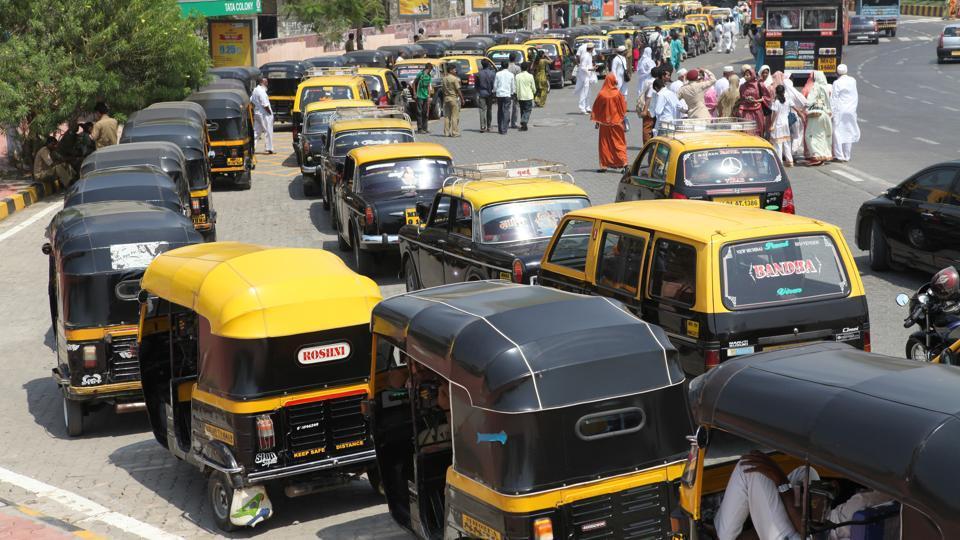
Mumbai commuters will have to spend a little more on autorickshaw and traditional black-and-yellow taxi rides from September 1, as revised fares come into effect across the Mumbai Metropolitan Region (MMR). The fare revision, approved by the Mumbai Metropolitan Region Transport Authority (MMRTA), comes after a gap of 18 months and increases both the minimum fare and subsequent per-kilometre charges.
The hike is relatively small for an individual journey but could add to monthly transportation expenses for commuters who depend on autos and taxis every day. The revised rates apply across the MMR, including Mumbai, Thane, Navi Mumbai, Kalyan and Mira-Bhayander.
What are the new auto fares?
The minimum autorickshaw fare has increased from ₹26 to ₹27 for the first 1.5 kilometres. The subsequent fare has been revised from ₹17.14 to ₹18.22 per kilometre, with the applicable amount rounded according to the revised tariff structure.
For example, a 2-km auto journey will now cost around ₹36 compared with ₹34 earlier. A 5-km journey will cost approximately ₹91, up from ₹86, while a 10-km trip will rise to around ₹182 from ₹171.
New black-and-yellow taxi rates
For Mumbai’s iconic black-and-yellow taxis, the minimum fare for the first 1.5 kilometres has increased from ₹31 to ₹33. The subsequent per-kilometre fare has risen from ₹20.66 to ₹21.90.
Under the revised tariff, a 2-km taxi journey will cost about ₹44, compared with ₹41 previously. A 5-km ride will increase to approximately ₹110 from ₹103, while a 10-km journey will cost around ₹219 instead of ₹207.
AC black-and-yellow taxis will continue to attract a higher fare, with the tariff set at 10% above the regular black-and-yellow taxi rate.
Night travel will cost more
The revised tariff also retains an additional 25% charge for journeys between midnight and 5 am. This means passengers travelling during these hours will pay more than the standard fare. Waiting charges will also apply depending on the distance and duration of the journey.
Shared rides have also seen revisions. The minimum shared-auto fare is now ₹12, while the minimum shared-taxi fare is ₹11.
Drivers get time to recalibrate meters
Although the new fares are effective from September 1, drivers have been given until November 30 to recalibrate their electronic meters. During the transition period, drivers can collect the revised fare using the approved tariff card if their meters have not yet been updated.
Transport officials have advised commuters to check the RTO-approved fare chart during this period to avoid confusion or disputes.
Why have fares been increased?
The revision follows demands from taxi and autorickshaw unions citing rising fuel, maintenance and other operating costs. The MMRTA used the fare-revision formula recommended by the four-member Khatua Committee, which considers factors such as fuel costs, vehicle prices and the Consumer Price Index.
The latest increase comes as Mumbai’s transport costs face additional pressure from higher CNG prices. Mahanagar Gas Ltd also increased CNG prices in the MMR by ₹2 per kg from September 1, taking the rate to ₹88 per kg.
With more than 4.5 lakh autorickshaws and over 50,000 black-and-yellow taxis operating across the MMR, the revised fares are expected to affect millions of daily and occasional commuters.