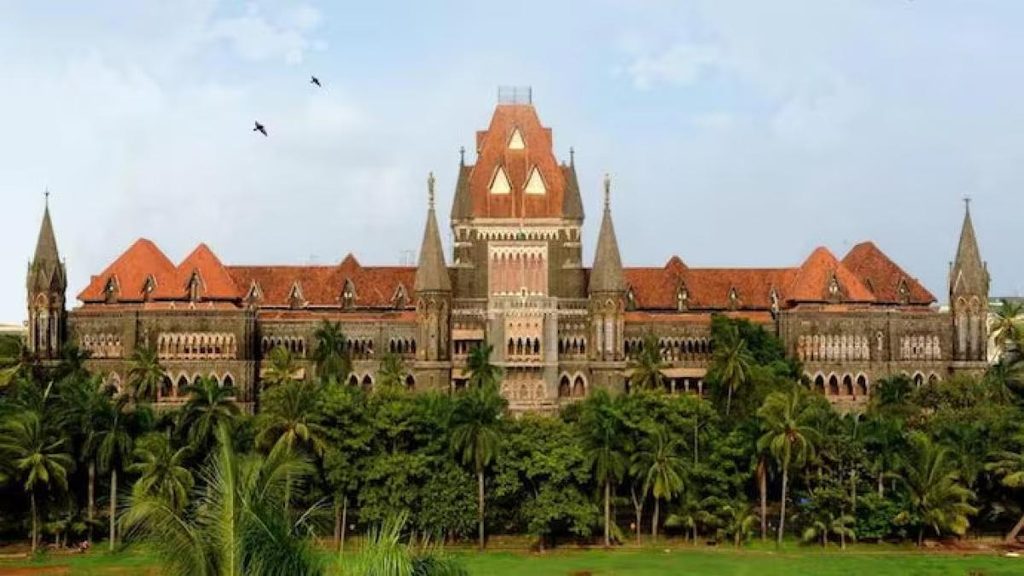
Mumbai, August 25, 2026: A growing dispute over Maharashtra’s Marathi-language requirement for commercial drivers has reached the Bombay High Court, with four app-based cab drivers challenging the state government’s latest notification. The petition questions the legality of requiring auto-rickshaw, taxi and app-based cab drivers to demonstrate a working knowledge of Marathi as a condition connected to their professional activity.
The petitioners have approached the court seeking urgent relief, arguing that the new requirement could affect the livelihoods of a large number of drivers across Mumbai and other parts of Maharashtra. The matter is expected to be mentioned before the Chief Justice on August 26.
What Is the Marathi Rule?
The Maharashtra government has introduced a requirement under which drivers operating public-service vehicles, including taxis, auto-rickshaws and app-based cabs, must demonstrate basic proficiency in Marathi. The government says the measure is intended to improve communication between drivers and passengers and ensure that those providing public transport services can communicate in the state’s principal regional language.
Authorities have started conducting checks and assessments to determine whether drivers possess the required level of Marathi proficiency. The enforcement has generated significant concern among sections of the driving community, particularly among drivers who have migrated to Mumbai from other states.
Drivers Challenge the Decision
The petitioners argue that the language requirement goes beyond the conditions prescribed under existing motor-vehicle legislation. Their challenge reportedly relies on constitutional protections, including Article 14, which guarantees equality before the law, Article 19, which protects certain freedoms including the right to practise a profession, and Article 21, which protects life and personal liberty.
The drivers also contend that the Motor Vehicles Act, 1988 does not prescribe knowledge of a particular regional language as a general qualification for holding a driving licence. Their argument is that a state-level notification should not effectively introduce an additional professional qualification without clear statutory authority.
The petition therefore raises a wider question: how far can a state go in imposing language-based requirements on workers engaged in regulated professions?
Protests Add to Mumbai’s Transport Pressure
The court challenge comes as protests by sections of Mumbai’s auto and taxi community intensify. Drivers have raised concerns about the testing procedure and possible penalties for those who fail to demonstrate the required proficiency.
On August 24, a group of auto-rickshaw drivers reportedly staged a protest on Kandivali Link Road and announced a three-day strike against the language requirement. The disruption added to concerns over the availability of autos and taxis for Mumbai commuters.
For a city heavily dependent on taxis, autorickshaws and app-based mobility services, even a limited disruption can have a noticeable impact on daily travel. Office workers, students, tourists and residents relying on short-distance transport could face longer waiting times and higher fares if driver participation declines.
Government Enforcement Continues
While the legal challenge is pending, transport authorities have continued enforcement. Reports indicate that regional transport offices have issued notices to hundreds of drivers who were unable to demonstrate the required Marathi proficiency during checks.
The enforcement has intensified the debate over whether drivers should be given more time and training before penalties are imposed. Some drivers have also questioned whether the assessment process has been sufficiently transparent and whether the questions asked during roadside checks correspond with the material provided during preparation.
Why the Bombay HC Hearing Matters
The Bombay High Court’s consideration of the petition could become an important turning point. The court may examine whether the state has adequate legal authority to impose the language condition, whether the implementation is constitutionally reasonable and whether immediate protection should be provided to drivers while the broader dispute is heard.
The controversy ultimately extends beyond Marathi proficiency. It involves employment rights, state regulatory powers, migrant workers’ livelihoods and Mumbai’s public-transport ecosystem.
With drivers protesting and authorities continuing inspections, the Bombay High Court’s proceedings could determine whether Maharashtra’s Marathi requirement remains in force, is modified, or faces a legal setback.