In an inspiring show of resilience, Anjali Tak, who survived a recent leopard attack in Bhayandar, has said she refuses to let the scars from the incident define her future. The attack, which occurred near a residential area close to forested land in Maharashtra’s Mira-Bhayandar region, left her with serious injuries but an even stronger resolve.
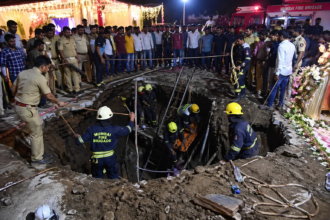
According to local authorities, the incident took place when the leopard reportedly strayed into a populated locality, likely in search of food. Residents raised an alarm after spotting the animal, but before forest officials could intervene, Anjali was attacked. She was immediately rushed to a nearby hospital, where doctors treated multiple injuries.
Medical staff confirmed that she sustained deep wounds but responded well to treatment. After days of recovery and monitoring, she is now stable and undergoing follow-up care. Despite the trauma, Anjali has shown remarkable mental strength. Speaking from her hospital bed, she said, “I will not let these scars dictate my life. I am grateful to be alive.”
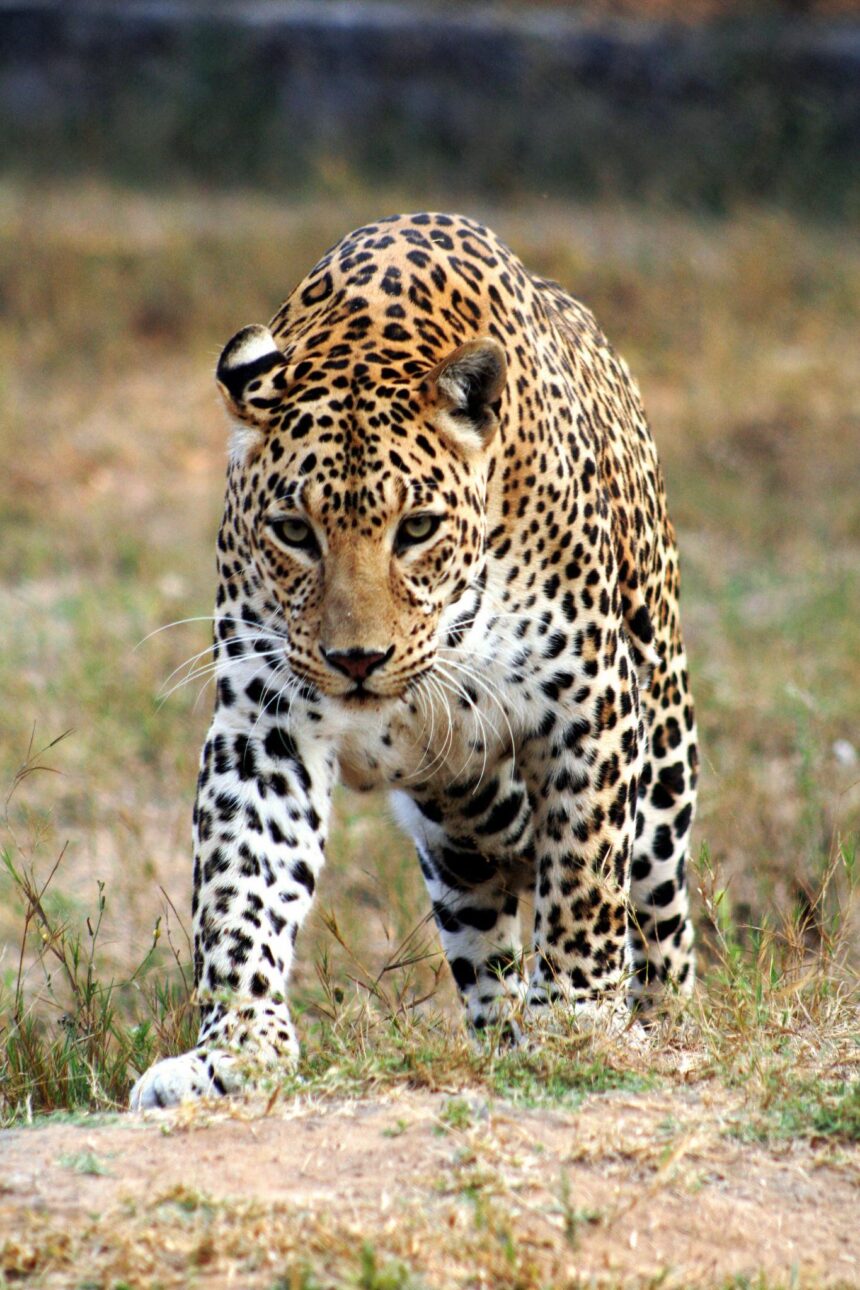
Forest department officials believe increasing human-wildlife interaction in areas bordering green zones has contributed to such incidents. Bhayandar lies near forest patches connected to protected habitats, including areas linked to Sanjay Gandhi National Park, which is known for its leopard population.
Experts note that leopards are highly adaptable and often move through fragmented habitats at night. Rapid urban expansion, shrinking buffer zones, and easy access to stray animals can draw them closer to human settlements. Authorities have since stepped up patrols in the area and installed camera traps to monitor leopard movement.
Residents have been advised to avoid venturing out alone after dark, secure livestock and pets, and immediately report wildlife sightings. Awareness drives are also being conducted to educate communities about precautionary measures.
Anjali’s story has drawn widespread attention on social media, with many praising her courage and positivity. Psychologists emphasize that survivors of wildlife attacks often face long-term emotional distress, including fear and anxiety. Community support and counseling play a crucial role in recovery.
As she continues healing, Anjali says she hopes her experience encourages others not to lose hope in the face of adversity. “Scars are reminders that we survived,” she said, expressing determination to move forward stronger than before.
Authorities are continuing efforts to safely track and relocate the leopard if necessary, aiming to prevent further incidents while ensuring the animal’s protection under wildlife laws.