A Different Kind of Election Campaign in Nagpur
Election campaigns in India are often loud, crowded, and filled with slogans, rallies, and door-to-door visits. But during the recent civic elections in Nagpur, one political campaign caught attention for its unusual approach. Instead of just handing out voter slips, workers from the Bharatiya Janata Party added a subtle twist: a light spray of perfume before interacting with residents.
The idea was simple. Party workers hoped that a pleasant fragrance would create a more welcoming atmosphere and encourage friendly conversations with voters. While it might sound surprising at first, local leaders described it as an attempt to bring warmth and courtesy into political outreach.
This distinctive strategy became a talking point during the Nagpur Municipal Corporation elections, where the party eventually secured a decisive victory.
Election Results and Political Context
The campaign took place ahead of the elections to the Nagpur Municipal Corporation. The results were significant. The BJP won 102 out of 151 wards, allowing it to retain control of the civic body for the fourth consecutive term.
While election victories depend on many factors such as governance performance, local issues, and political organization, party leaders believe the personalized outreach efforts, including the perfume initiative, helped build stronger connections with voters.
According to them, the approach was not about influencing voters directly but about creating a positive first impression during door-to-door interactions.
How the Perfume Outreach Worked
Distribution to Booth Workers
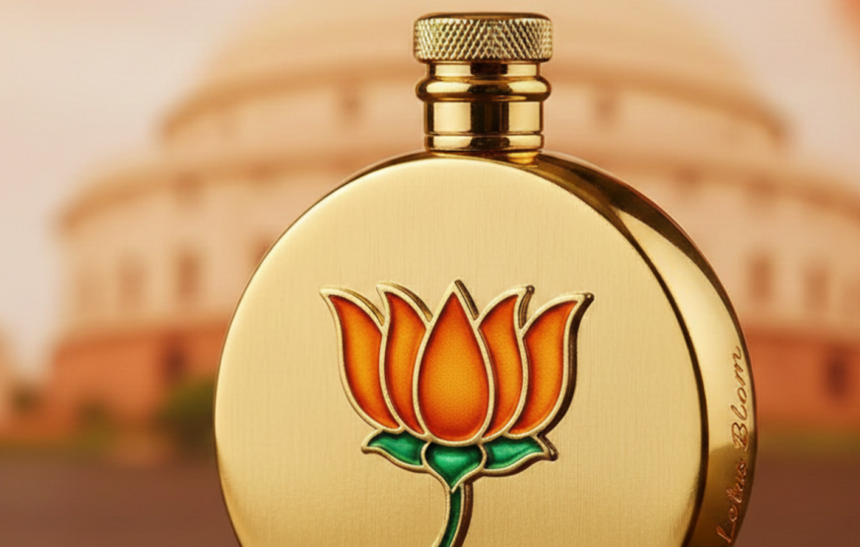
To implement the campaign, the Nagpur city unit, led by Dayashankar Tiwari, provided small pocket perfume bottles to more than 36,000 booth-level workers. These workers, often called panna pramukhs, are responsible for maintaining contact with voters listed on specific pages of electoral rolls.
Before handing over voter slips, workers were instructed to lightly spray the fragrance in the air or on themselves. The intention was not to give perfume to residents but to create a welcoming environment during conversations.
Symbolic Gesture Rather Than Gift
Party leaders clarified that the perfume bottles were never distributed to voters. Giving gifts during elections can raise ethical and legal concerns under election guidelines. Therefore, the fragrance was used only as a symbolic gesture of goodwill rather than as an inducement.
Leaders also noted that fragrance is a personal preference, so they avoided direct spraying on individuals and instead focused on creating a pleasant atmosphere during brief interactions.
Why the Idea Was Introduced
Making Interactions More Personal
Political outreach often becomes routine, with workers quickly delivering slips and moving on to the next house. Leaders felt that adding a courteous touch could slow down interactions and open space for genuine conversations.
Some workers reported that residents who might normally just accept the slip took a moment to talk. In certain cases, they even invited campaign workers inside for longer discussions about local issues and governance.
Cultural Element of Hospitality
Supporters of the initiative say the idea was inspired by traditional hospitality practices where fragrance is associated with welcoming guests. While not common in political campaigns, the concept aimed to reflect respect and courtesy toward voters.
For many campaign workers, this approach also boosted confidence and helped break the ice during doorstep interactions.
Public Reaction: Mixed but Interesting
Positive Feedback From Some Residents
Several residents reportedly appreciated the courteous gesture. They said it made the campaign interaction feel less mechanical and more human. Some voters described it as refreshing compared to the usual fast-paced political visits.
Workers also said it helped them start conversations more easily, especially in neighborhoods where political engagement is typically limited.
Concerns and Discomfort in Some Cases
Not everyone reacted positively. Some elderly residents reportedly felt uncomfortable with the fragrance, possibly due to sensitivity to strong scents. Others viewed the move as unusual or unnecessary in a political context.
Party leaders acknowledged these reactions and emphasized that workers were advised to use the fragrance sparingly and respectfully.
Role of Booth-Level Workers in Elections
Who Are Panna Pramukhs?
Panna pramukhs play a crucial role in Indian election campaigns. Each worker is assigned responsibility for a specific page of the voter list, ensuring direct communication with households before polling day.
In Nagpur alone, thousands of such workers were active during the elections. Their responsibilities include distributing voter slips, addressing local concerns, and mobilizing voter turnout.
Grassroots Engagement Matters
Political analysts often point out that grassroots engagement can significantly influence civic elections. While large rallies create visibility, personal interactions help build trust.
The perfume outreach was one attempt to make these interactions more memorable without crossing regulatory boundaries.
Campaign Costs and Compliance
Party leaders stated that the perfume bottles were included within the permitted campaign expenditure limits. They emphasized transparency in accounting for all campaign materials.
They also reiterated that no perfumes were given directly to voters, which could otherwise be interpreted as offering incentives. Maintaining compliance with election guidelines remained a priority during the campaign.
Did the Strategy Influence the Election Outcome?
It is difficult to measure the exact impact of any single campaign tactic on election results. Victories typically depend on governance performance, local development work, candidate popularity, and broader political dynamics.
However, party leaders believe the fragrance campaign contributed to a friendlier atmosphere during outreach. Even if it did not directly influence voting decisions, it may have strengthened engagement and visibility.
Political observers say such innovative approaches can help parties stand out, especially in closely contested urban elections.
Innovation in Political Campaigning
The Nagpur perfume outreach highlights how political campaigns continue to evolve. From social media outreach to data analytics and now symbolic gestures like fragrance, parties experiment with various methods to connect with voters.
While not all experiments succeed, they often spark conversation about how politics interacts with culture, communication, and public perception.
This particular campaign demonstrates how even small gestures can become widely discussed when they break conventional patterns.
What It Means Going Forward
Whether other political parties adopt similar ideas remains uncertain. Some may see it as creative outreach, while others may consider it unnecessary.
However, the broader takeaway is clear: voters increasingly expect more personalized communication. Campaigns that combine traditional outreach with innovative touches may continue to attract attention.
Ultimately, meaningful engagement, clear communication, and responsiveness to public concerns remain the most important factors in electoral success.
The Nagpur civic elections introduced an unusual but memorable campaign strategy involving the subtle use of perfume during voter outreach. The initiative aimed to create warmth, improve conversations, and bring a personal touch to political engagement.
While reactions varied, the campaign succeeded in drawing attention and sparking discussion about new ways political parties connect with citizens. Whether viewed as innovative hospitality or simply an interesting experiment, the fragrance outreach added a unique chapter to the evolving story of election campaigning in India.