BJP Scores Big in Panvel’s Rural Elections
In a major political development that could reshape local governance in the Mumbai Metropolitan Region, the Bharatiya Janata Party has secured a sweeping victory in the rural belt of Panvel taluka. The party won all eight zilla parishad seats and 15 out of 16 panchayat samiti constituencies, effectively dismantling what had long been considered the Peasants and Workers Party’s rural stronghold.
This decisive win marks a clear shift in political momentum and signals changing voter priorities in one of Maharashtra’s fastest-transforming regions.
What the Election Results Show
Complete dominance in zilla parishad seats
Winning all eight zilla parishad seats gives the BJP strong control over district-level rural governance. These bodies play a crucial role in planning infrastructure, education, health services and development initiatives across villages.
Such a clean sweep suggests strong voter backing and a significant consolidation of support.
Panchayat samiti outcome
Out of 16 panchayat samiti constituencies, BJP captured 15 seats. The only remaining seat went to a Shiv Sena (UBT) candidate, leaving the opposition with limited influence in the taluka’s rural administration.
This near-total victory strengthens the party’s ability to shape local policies and development projects.
A Dramatic Shift from Previous Elections
Comparing with the 2017 polls
The latest results represent a sharp reversal from the 2017 elections. At that time, the Peasants and Workers Party had dominated the rural political landscape, winning six of eight zilla parishad seats and 12 of the 16 panchayat samiti constituencies.
Back then, the party’s deep roots among farmers and rural communities gave it a solid base.
What has changed
Observers point to several factors behind the shift, including urban expansion, infrastructure development and changing economic priorities in rural areas that are gradually integrating with the Mumbai metropolitan ecosystem.
These evolving dynamics appear to have influenced voting patterns.
Celebration Among BJP Workers
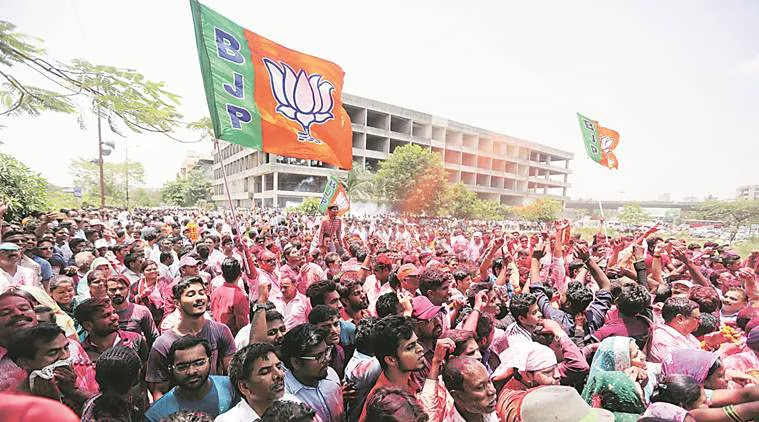
As the results came in, celebrations broke out across Panvel. Party workers gathered outside counting centres and local offices, distributing sweets, raising slogans and marking what they see as a historic political moment.
For many local supporters, the win symbolizes both political growth and the promise of accelerated development.
Campaign Focus: Development vs Tradition
BJP’s campaign strategy
The BJP positioned the election as a choice between rapid development and maintaining the status quo. Campaign messaging highlighted infrastructure, connectivity, housing expansion and economic opportunities linked to the region’s growth.
Panvel MLA Prashant Thakur played a key role in leading the campaign. He emphasized that rural areas should receive the same pace of development as nearby urban centres.
Voter response
Many voters appear to have responded positively to development-focused messaging. Improved roads, logistics connectivity, industrial expansion and real estate growth have transformed the region, making development a central electoral issue.
Challenges for the Peasants and Workers Party
Losing a traditional stronghold
For the Peasants and Workers Party, the results represent a major setback. The party historically built its support base among farmers, agricultural workers and rural communities in the region.
Its long-standing influence in the taluka had made Panvel a symbolic stronghold.
Possible reasons for decline
Political analysts suggest several factors:
- Urbanisation reducing purely agrarian concerns
- Younger voters prioritising infrastructure and jobs
- Stronger organizational outreach by rival parties
- Increased integration with Mumbai’s economic network
These shifts may have diluted traditional political loyalties.
Panvel’s Rapid Transformation
Urban expansion into rural areas
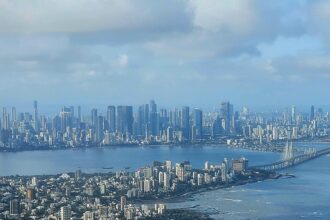
Panvel is undergoing rapid development due to its proximity to Mumbai, Navi Mumbai and upcoming infrastructure projects. Industrial corridors, logistics hubs, housing projects and transportation networks are changing the character of many villages.
This transformation is influencing both economic conditions and political attitudes.
Impact on voting behaviour
As rural communities become more connected to urban economies, voters often prioritize development, employment opportunities and civic amenities over traditional political affiliations.
This trend seems visible in the latest election outcome.
Influence of Previous Electoral Success
Momentum from municipal elections
The BJP’s strong performance in earlier municipal elections in Panvel helped build organizational momentum. Success at the urban level appears to have translated into rural electoral gains.
State and national election impact
The party also performed well in recent parliamentary and assembly elections in the region. Continued electoral success may have strengthened public perception of stability and governance capability.
What This Means for Rural Governance
Development expectations likely to rise
With such a strong mandate, expectations from voters are likely to increase. Residents will likely look for improvements in infrastructure, healthcare, education and agricultural support.
Delivery on these promises could shape future political dynamics.
Policy direction
Local governance bodies under BJP control may focus on:
- Infrastructure expansion
- Transport connectivity
- Industrial and logistics development
- Housing and urban integration
- Agricultural modernization initiatives
How these priorities are executed will be closely watched.
Expert Views on the Political Shift
Political observers see the result as part of a broader transformation happening in regions around major metropolitan areas.
As rural areas become economically connected to cities, political narratives often shift from traditional agrarian concerns to development, employment and infrastructure issues.
Leadership style, organizational strength and campaign messaging also play an increasingly important role in influencing voters.
Broader Political Implications
Regional influence
A strong rural mandate in Panvel could influence political strategies in other parts of Maharashtra, especially in rapidly urbanizing belts.
Parties may increasingly focus on development-oriented messaging.
Changing political identities
The election highlights how political identities are evolving. Rural voters are no longer defined solely by agricultural interests but also by aspirations linked to urban growth and economic mobility.
Looking Ahead
The immediate focus will be on governance and delivering development promises. Voters will expect visible improvements in infrastructure, services and economic opportunities.
At the same time, opposition parties may regroup and rethink strategies to reconnect with rural voters whose priorities are changing.
Future elections will likely test whether this political shift represents a lasting realignment or a temporary electoral wave.
Conclusion
The BJP’s sweeping victory in Panvel’s rural elections marks a significant political shift in the region. By capturing all zilla parishad seats and nearly all panchayat samiti constituencies, the party has reshaped the local political landscape.
The results reflect broader changes driven by urbanisation, economic integration and evolving voter expectations. As Panvel continues to transform, its political dynamics may offer insights into how rapidly developing regions across India are redefining their priorities.
The coming years will show whether this electoral shift leads to sustained development outcomes and whether the political balance remains stable or continues to evolve.