Mumbai’s Voter Landscape Is Changing Fast: Suburbs Surge as Island City Declines
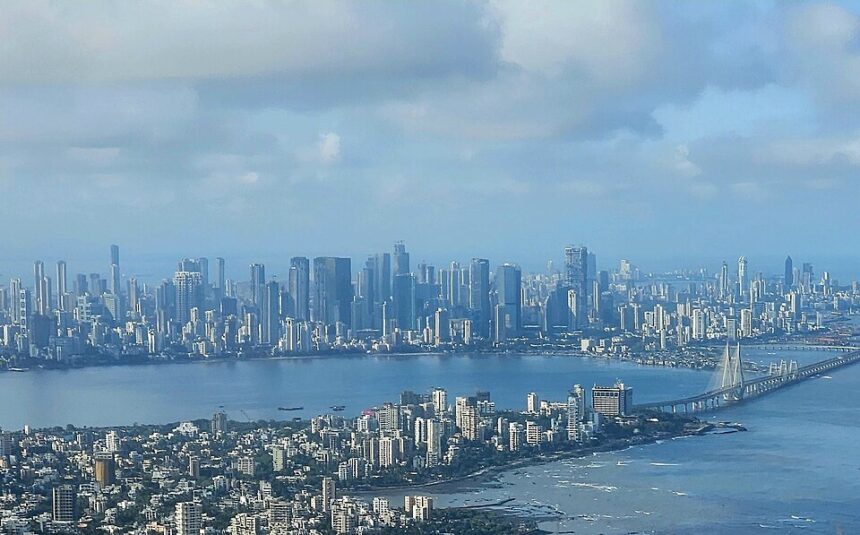
Mumbai is quietly undergoing one of its biggest demographic shifts in years, and the results have shown up sharply in the latest draft electoral rolls for the city’s 227 corporator wards. While the suburbs, especially areas like Malad and Malwani, are witnessing a dramatic rise in new voters, several pockets of the island city are seeing a steady decline. The numbers reveal how rising living costs, redevelopment pressures, and new housing patterns are reshaping who lives where in Mumbai.
Overall, the city has recorded a 12.67 percent rise in total voters from 2017 to 2025. But this growth is far from uniform. Some areas are booming, others shrinking.
A City Divided: Where Voters Are Rising and Where They Are Dropping
Suburbs Lead the Surge
A close look at the data shows that three of the top five wards with the highest increase in voters lie in the P North ward. This region includes Malad and Malwani, two suburbs known for rapid construction, affordable housing projects, and large redeveloped clusters.
For thousands of families, the shift from the cramped island city to relatively spacious suburban pockets has become the natural next step. Whether due to redevelopment, rising rentals, or the opportunity to own a home, the population is moving northward.
Island City Sees the Sharpest Declines
In contrast, all five wards that recorded a decrease in voters are located in the island city. Some of these areas include Lower Parel, Kalbadevi, and Chira Bazaar.
Former mayor Kishori Pednekar, whose ward in Lower Parel saw voter numbers fall from 57,175 in 2017 to 53,907 in 2025, says the decline is not necessarily due to people leaving recently. Instead, she explains that many outdated records were finally corrected.
For years, residents who shifted to the suburbs had not removed their names from voter lists. The latest review cleaned up these inconsistencies. According to Pednekar, another issue is that many young adults who turned 18 simply never registered as voters.
What the Numbers Reveal About Mumbai’s Changing Demographics
Between 2017 and 2025:
- Male voters increased from 50.3 lakh to over 55 lakh
- Female voters rose from 41.5 lakh to 48.3 lakh
- The number of people registered under the ‘others’ category also grew
These statistics highlight not just population movement but also improving voter awareness among groups that were previously underrepresented.
Why Families Are Leaving the Island City
The Redevelopment Push
Much of the old island city is packed with ageing buildings and congested lanes. As redevelopment projects demolish old structures, residents often move temporarily to suburban transit camps. Some never return, choosing instead to settle in more affordable or spacious neighbourhoods.
Rising Rentals and Limited Space
The island city continues to be one of the most expensive real-estate zones in India. Young families and middle-income groups are increasingly looking to the suburbs for better living conditions.
Former BJP corporator Akash Purohit confirms this trend. Many households in classic south Mumbai neighbourhoods like Kalbadevi and Chira Bazaar have shifted to redeveloped homes located outside the traditional island pockets. This movement inevitably reduces the voter base in those areas.
The Controversy: Politics Erupts Over P North’s Voter Boom
The sudden surge in P North’s voter numbers has sparked political debate.
BJP’s Allegation
BJP leaders have accused Congress MLA Aslam Shaikh of facilitating illegal migration in the area. Former BJP corporator Vinod Shelar, who contested against Shaikh in the 2024 state elections, alleged that the growth is linked to infiltrators.
Aslam Shaikh’s Defence
Shaikh dismissed the allegations and offered a different explanation. According to him, the increase in voters is due to:
- Redevelopment of slum clusters into formal housing societies
- Boundary changes that brought new localities under certain wards
- Internal migration from other parts of the city due to demolition drives and redevelopment
- A significant number of project-affected families being resettled in Malad
He explained that many residents from Bharat Nagar in Bandra East, who lost their homes in repeated demolition drives, moved to Malad. In addition, several project-affected persons from infrastructure projects across Mumbai have been allotted permanent housing in P North.
How Redevelopment Is Moving Entire Communities
Sena leader Samadhan Sarwankar, whose former ward saw about a 4 percent drop in voter numbers, points out that project-affected persons are being shifted across the city as new infrastructure projects come up.
Some families from Mahim have moved to Malad after receiving PAP housing. In another instance, groups of voters were relocated to Lower Parel. These large-scale relocations disrupt traditional voting patterns and reshape the political landscape of Mumbai.
The Bigger Picture: Mumbai’s Future Voter Map
The shifting voter base reflects deeper changes in the way Mumbai is growing. The suburbs continue to expand vertically with new towers, rehabilitation complexes, and housing societies. Meanwhile, the island city is transforming into a hub of commercial real estate, offices, and upscale redevelopment — pricing out many long-time residents.
As the 2025 civic elections approach, these demographic swings may play a crucial role in political strategies. Parties will likely focus more attention on high-growth suburban pockets where new voters are rapidly emerging.
At the same time, the island city — once the heart of Mumbai’s political influence — may see its clout diluted as its voter base shrinks.
Mumbai’s electoral data doesn’t just tell a political story; it tells a story about the city’s evolution. Families are moving where they can afford to live. Redevelopment is shifting entire neighbourhoods. The suburbs are becoming more influential with every passing year. And the island city, while still iconic, is no longer the population centre it once was.
As Mumbai grows, its voter map will continue to redraw itself, shaping not only who lives where, but also how the city votes in the years to come.