Maharashtra Approves Mumbai-Navi Mumbai Airport Metro
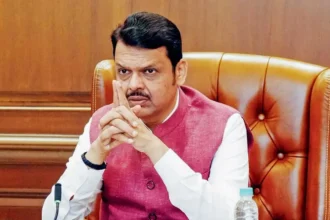
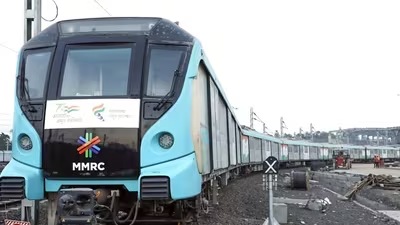
Maharashtra Chief Minister Devendra Fadnavis on Tuesday announced the approval of a new metro line connecting Mumbai and Navi Mumbai airports, marking a significant boost to regional connectivity. The 35 km-long corridor, featuring a 9 km underground stretch, received state cabinet approval and is expected to transform travel between the two airports.
The project will be implemented on a public-private partnership (PPP) model, with the state and central governments contributing 20% each through viability gap funding. The remaining 60% of the investment will be funded by the private consortium constructing the metro.
Project Cost and Timeline
The metro line is projected to cost approximately ₹22,862 crore, slightly higher than the previous estimate of ₹18,000 crore. Fadnavis emphasized the project timeline:
- Estimated construction time: 5 years
- Target completion: 3.5 years
“This line will ensure seamless movement for transit flyers, airline crews, cargo operators, and outstation travelers,” Fadnavis said, highlighting the need to reduce travel time between Mumbai’s Chhatrapati Shivaji International Airport and Navi Mumbai International Airport from the current 70–90 minutes by road.
Corridor Details: Stations and Route
The proposed Mumbai-Navi Mumbai Airport Metro Line 8 will have 20 stations, including a mix of 6 underground and 14 elevated stations. Major stops along the route include:
- Chhatrapati Shivaji Maharaj International Airport Terminal 2
- Phoenix Mall
- SG Barve Marg
- Kurla
- Lokmanya Tilak Terminus (LTT)
- Garodia Nagar
- Baiganwadi
- Mankhurd
- Vashi
- Sanpada
- Juinagar
- LP Junction LP
- Nerul 1 & Nerul 2
- Seawoods
- Apollo Hospital
- Sagar Sangam
- Targhar
- Navi Mumbai International Airport West
- Navi Mumbai International Airport Terminal 2
The line will intersect with six other Metro routes, suburban rail networks, bus terminals, and LTT, offering seamless connectivity for travelers.
Ridership and Connectivity
The corridor is expected to handle a daily ridership of 10.3 lakh passengers by 2031, making it one of the busiest transit lines in the Mumbai Metropolitan Region.
Key benefits of the line include:
- Direct airport-to-airport connectivity
- Faster transit for outstation passengers arriving at LTT
- Reduced road congestion between Mumbai and Navi Mumbai
- Integration with suburban rail, bus terminals, and six other Metro lines
Project Planning and Execution
The City and Industrial Development Corporation (CIDCO) had earlier submitted the detailed project report (DPR) to the state government in November, after securing approvals from both the urban development and finance departments.
The project will follow a build-operate-transfer (BOT) model, similar to Mumbai Metro Line 1, allowing private partners to invest, build, and operate the metro before transferring it to the government.
Strategic Importance
This metro line will be crucial for:
- Transit passengers connecting between Mumbai and Navi Mumbai airports
- Airline crew and cargo operators
- Outstation travelers using LTT or other suburban rail terminals
- Reducing road congestion and improving travel efficiency across the Mumbai Metropolitan Region
Fadnavis stressed that the metro line would significantly enhance the city’s airport infrastructure, ensuring faster, reliable, and convenient transit for millions of commuters.
Next Steps
With cabinet approval secured, CIDCO will now move forward with finalizing the PPP consortium, beginning construction, and coordinating with metro authorities across the region. Completion is expected to be around 3.5 to 5 years, with full operations likely before the 2031 projected ridership demand is reached.