As Mumbai gears up for one of its biggest sporting events of the year, concerns over air quality have once again taken centre stage. With the Tata Mumbai Marathon scheduled for January 18, environmental experts are warning that deteriorating air conditions could pose serious health risks to runners, volunteers, and spectators.
Environmental group Awaaz Foundation has formally alerted civic and pollution control authorities, urging them to take immediate steps to monitor and manage air pollution levels along the marathon route.
Why Air Quality Is a Concern Before the Mumbai Marathon
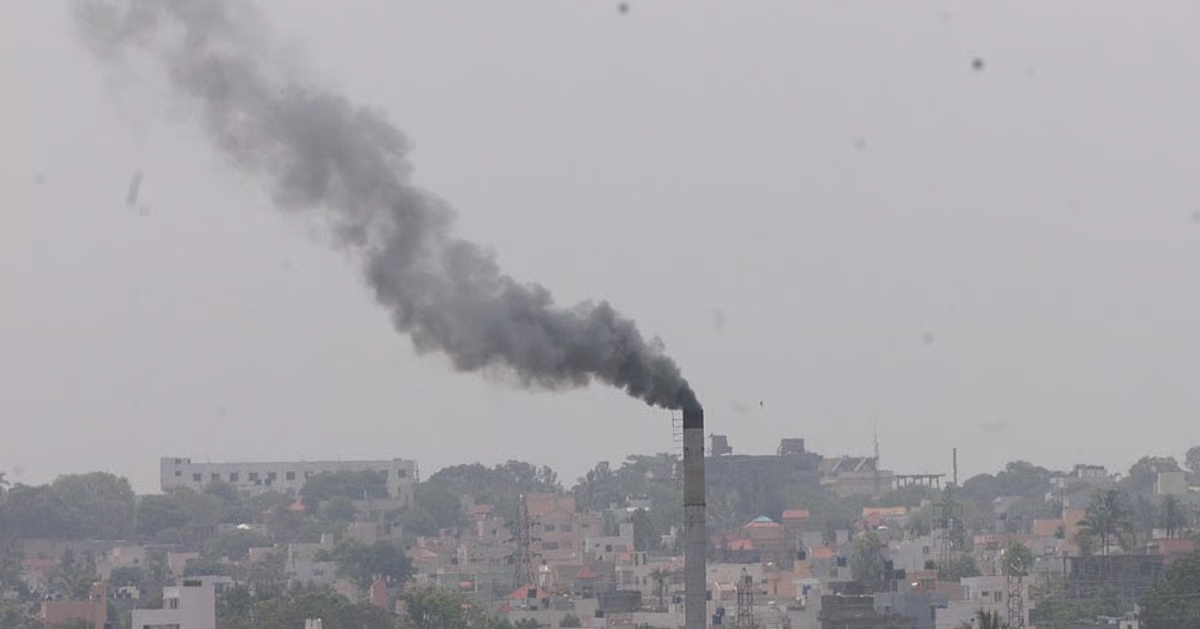
January is traditionally one of the worst months for air pollution in Mumbai. Cooler temperatures, calm winds, and winter weather patterns often trap pollutants close to the ground, creating haze-like conditions across the city.
Rising Pollution Since Early January
According to Awaaz Foundation, air quality across several parts of Mumbai has shown a steady decline since the beginning of January. Many residents have reported reduced visibility and persistent haze, especially during early morning hours, when the marathon is usually held.
This timing is particularly concerning because runners breathe more rapidly and deeply during endurance events, increasing the amount of polluted air entering their lungs.
Awaaz Foundation Writes to BMC and MPCB
In a letter sent to the Brihanmumbai Municipal Corporation and the Maharashtra Pollution Control Board, the foundation highlighted the urgent need for health safeguards during the marathon.
Demand for Early and Transparent Monitoring
The foundation has called for route-specific air quality monitoring well before race day. It has also asked authorities to publicly share real-time data so that participants can make informed decisions about their health.
According to the group, early morning PM2.5 levels are especially critical and must be closely tracked.
Why PM2.5 Levels Are Especially Dangerous
PM2.5 refers to fine particulate matter that is small enough to penetrate deep into the lungs and even enter the bloodstream.
Increased Risk During Long-Distance Running
During a marathon, runners inhale several times more air than usual. If PM2.5 levels are high, this increased inhalation can significantly raise health risks, including breathing difficulties, heart strain, and long-term respiratory damage.
Environmental experts say that even short-term exposure to high PM2.5 concentrations can be harmful, particularly during intense physical activity.
What Last Year’s Data Revealed
Awaaz Foundation referred to its own air quality monitoring exercise conducted along the marathon route last year.
Pollution Levels Far Above Safe Limits
The findings were alarming. PM2.5 levels during early morning hours ranged from 95 micrograms per cubic metre to over 150 micrograms per cubic metre at multiple locations. These figures are well above the safe 24-hour standard of 60 micrograms per cubic metre.
After the 2025 marathon, the pollution control board also conducted post-event monitoring using mobile vans and recorded high pollution readings along parts of the route.
Fresh Demands Ahead of the 2026 Marathon
Based on previous findings, the foundation has made a series of requests to authorities ahead of this year’s event.
Key Requests from Environmentalists
- Deploy mobile air quality monitoring vans along the entire marathon route several days in advance
- Focus on early morning PM2.5 readings, when pollution tends to peak
- Share air quality data publicly and with health authorities and event organisers
- Temporarily halt construction work and dust-generating activities along the route
The group says warning participants and allowing them to take precautions is the minimum that authorities should ensure.
BMC’s Response to Air Quality Concerns
The Brihanmumbai Municipal Corporation has acknowledged the complaint and forwarded it internally for action.
Mixed Air Quality Readings
According to senior BMC officials, air quality levels over the past week have mostly ranged between 110 and 114 at several monitoring locations. However, some areas, such as Deonar, have occasionally recorded PM2.5 levels crossing 200.
Officials also noted that readings from non-reference instruments should not be treated as official data and that reference-grade monitoring is required for accurate assessment.
Challenges Faced by Pollution Control Authorities
The Maharashtra Pollution Control Board has admitted that deploying mobile monitoring vans during the marathon has been difficult in the past.
Logistical and Security Issues
Officials cited traffic restrictions, lack of permission to station vans on roads, and power supply problems as major obstacles. While the vans are ready, proper coordination with civic authorities is required to identify fixed locations and ensure electricity access.
Despite these challenges, the board has said it is in discussions with the BMC to find workable solutions ahead of race day.
Marathon Organisers Respond to Health Concerns
Procam International, the organiser of the Tata Mumbai Marathon, has assured participants that environmental and health safety remains a priority.
Measures Taken During the Event
According to the organisers, several steps are implemented during the marathon window, including:
- Intensive road cleaning along the route
- Dust suppression using mist blowers and water sprinklers
- Early-morning race scheduling to reduce exposure
- Real-time environmental monitoring during the event
New Coastal Route Offers Some Relief
This year, the Mumbai Police has facilitated a coastal route for the marathon.
Natural Advantage of Sea Breeze
Organisers say the coastal stretch allows early-morning sea breezes to improve air movement and help disperse pollutants. This, they believe, could lead to more comfortable running conditions compared to inland routes.
Medical Preparedness for Runners
Apart from environmental measures, organisers have also strengthened medical arrangements.
Emergency Care Along the Course
A comprehensive medical preparedness plan has been put in place, with medical teams and infrastructure deployed across the route and at the finish line. Hospitals and healthcare partners are on standby to handle emergencies.
Bigger Questions About Urban Air and Public Events
The debate around air quality and the Mumbai Marathon reflects a larger issue facing Indian cities.
Balancing Events and Public Health
As cities continue to host large-scale outdoor events, experts say air quality planning must become an integral part of event management. Transparent data, timely warnings, and preventive measures can help protect participants without cancelling iconic events.
Final Thoughts
The Mumbai Marathon is a celebration of fitness, community, and resilience. However, as air pollution becomes an increasingly pressing urban challenge, ensuring safe breathing conditions for runners is no longer optional.
With days to go before the race, all eyes are now on civic authorities and pollution control agencies to see whether proactive steps are taken to address these concerns and protect the health of thousands who will hit the streets of Mumbai on race day.