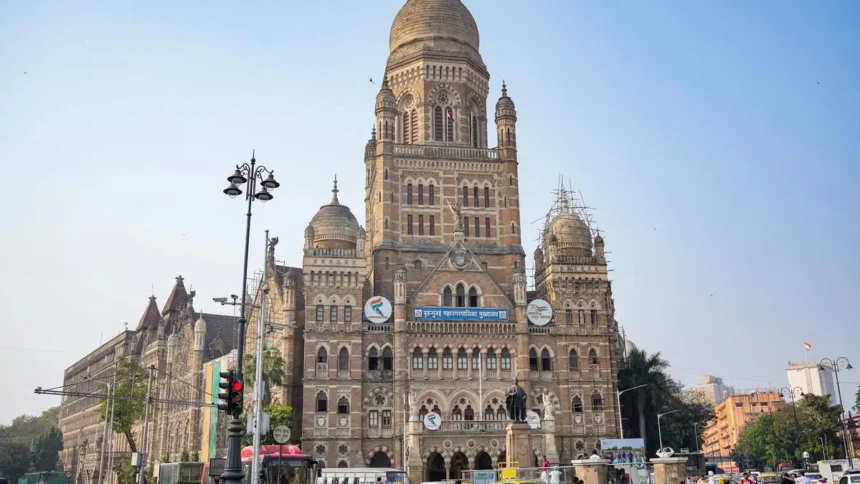
Municipal Elections in Mumbai and 28 Other Maharashtra Cities on January 15
After years of delays, civic elections in Maharashtra are finally back on track. The State Election Commission has announced that elections to 29 municipal corporations, including Mumbai, Thane, and Navi Mumbai, will be held on January 15. The counting of votes will take place the very next day, on January 16.
This announcement marks a major moment for local governance in the state, as several civic bodies have been run by administrators for years due to legal and administrative hurdles.
Key Cities Going to Polls
Mumbai, Thane, Navi Mumbai Among Major Corporations
The elections will cover some of Maharashtra’s most important urban centres. Along with Mumbai, polls will be held for municipal corporations in Thane, Navi Mumbai, Pune, Nagpur, Nashik, Aurangabad, Solapur, Kolhapur, and several other cities.
These civic bodies play a crucial role in managing everyday urban life, including roads, water supply, sanitation, health services, education, and public transport. The outcome of these elections is expected to have a significant impact on how cities are governed in the coming years.
Voting and Counting Dates Announced
Clear Election Timeline
Maharashtra State Election Commissioner Dinesh Waghmare confirmed the schedule on Monday.
- Voting date: January 15
- Vote counting: January 16
The quick turnaround between polling and results is expected to provide clarity on the new civic leadership without prolonged uncertainty.
Over 3.4 Crore Voters Eligible to Vote
Massive Urban Electorate
More than 34.8 million voters are eligible to cast their vote in these municipal elections. This makes it one of the largest civic election exercises in the state’s history.
The large voter base reflects the growing population of Maharashtra’s cities and the increasing importance of urban governance. Election officials have said preparations are underway to ensure smooth polling across all wards.
Civic Bodies Run by Administrators for Years
Long Delay Finally Ends
Most of the municipal corporations going to polls have been under administrator rule for more than three years. In some cases, administrators have been in charge for over six years.
This prolonged delay has often drawn criticism from political parties and civil society groups, who argue that the absence of elected representatives weakens local democracy and accountability. The upcoming elections are expected to restore elected leadership and bring decision-making back to representatives chosen by citizens.
Supreme Court Clears the Way
Legal Hurdles Addressed
The delay in holding municipal elections was largely due to legal disputes related to reservation for Other Backward Classes and ward delimitation.
Last month, the Supreme Court allowed the State Election Commission to go ahead with municipal corporation elections, including in cases where reservation levels crossed the 50 percent limit.
This decision cleared a major obstacle and paved the way for the announcement of election dates.
Special Case of Chandrapur and Nagpur
Results Subject to Supreme Court Verdict
Two municipal corporations, Chandrapur and Nagpur, have exceeded the 50 percent reservation cap. While elections will be held in these cities as scheduled, their results will remain subject to the final outcome of petitions pending before the Supreme Court.
Election officials clarified that this legal condition has been clearly communicated and does not affect the overall election process in other cities.
Measures to Prevent Duplicate Voting
Voters Registered in Multiple Places Flagged
The State Election Commission has taken steps to prevent duplicate voting. According to Commissioner Dinesh Waghmare, voters who are registered in more than one place have been flagged with two stars on the electoral roll.
The commission is actively reaching out to these voters and seeking written undertakings to ensure that they vote in only one ward. This step is aimed at maintaining the integrity and fairness of the election process.
Why These Elections Matter
Impact Beyond Local Governance
Civic elections, especially in cities like Mumbai, Pune, and Nagpur, are often seen as a political indicator for the state. The results are expected to reflect public sentiment toward political parties and alliances, especially in urban areas.
For Mumbai in particular, the Brihanmumbai Municipal Corporation is not only the largest civic body in India but also one of the richest in Asia. Control of the BMC is considered politically significant, making these elections closely watched across the country.
What to Expect in the Coming Weeks
Campaigns Set to Intensify
With the election date announced, political activity across Maharashtra’s cities is expected to intensify rapidly. Parties are likely to focus on issues such as infrastructure, traffic, pollution, water supply, housing, and rising living costs.
Voters, on the other hand, will be watching closely to see which candidates and parties present clear plans for improving urban life.
A Return to Elected Urban Governance
After years of waiting, the announcement of municipal elections brings a sense of closure to a long period of administrative control. For millions of urban residents, January 15 offers a chance to directly shape how their cities are run.
As polling day approaches, attention will remain firmly on Mumbai and other major cities, where the results could influence not just local governance but the broader political landscape of Maharashtra.