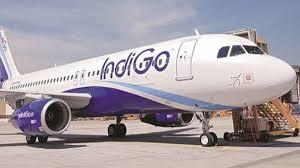
A ₹58 crore GST penalty notice has been slapped on IndiGo, India’s largest domestic airline, even as it continues to grapple with a wave of flight cancellations that has left thousands of passengers stranded or dealing with last-minute schedule changes. These two developments, unfolding almost simultaneously, have created a challenging moment for the carrier that has prided itself on operational efficiency and market dominance for more than a decade.
The Goods and Services Tax authorities sent the notice after a specific audit that established certain differences in the airline’s tax calculation on some input credits and service classification. According to people who know of the assessment, the claim includes interest and penalties on unpaid tax, putting the total near ₹58.75 crore. The airline would not disclose the full details of its audit findings, but it is learnt that the issue was because of long-standing differences in interpretation over how aviation services-essentially ancillary services such as seat selection, baggage fees, and rescheduling charges-are taxed.
In a short statement, IndiGo confirmed receipt of the GST communication and said it would “study the contents of the notice carefully and will correspond with the department in due course”. The airline said it recognizes audits and tax reviews as “routine processes” and that it would stay in “complete cooperation” with the authorities. Industry observers point out that airlines sometimes disagree with local tax officials, as ancillary revenues have increased significantly for airlines trying to make up for increasing fuel and operating costs. But the size of this notice makes it among the largest GST demands against any Indian airline in recent times.
Adding to this tax blow, IndiGo had to go through operational turbulence when a minimum of 54 flights had to be canceled on a single day, as per the preliminary internal updates circulated by the airport authorities. These abrupt cancellations were due to several reasons, from unavailable crew to ongoing technical checks and disrupted weather in major cities. Passengers took to social media to narrate their ordeal, citing long queues at help desks in airports and confusion regarding the rebooking option.
Even a small percentage of cancellations can have a snowballing effect for a carrier that handles more than half of India’s domestic air traffic. Passengers reported that flights were delayed by hours or rescheduled for the next day at several airports, including Delhi, Mumbai, and Bengaluru. Some passengers said communication regarding cancellations came too late to adjust plans or arrange for alternative transportation. IndiGo said it issued travel advisories asking passengers to check flight status before leaving for the airport and assured that refunds or free rescheduling would be offered as per policy.
The timing of the operational disruptions has only heightened scrutiny. The approaching holiday season is one when demand for air travel peaks, and, unless issues are addressed promptly, delays and cancellations might worsen, warn industry observers. While airlines all over the country face crew shortages and fleet-maintenance pressure, IndiGo, considering the large fleet size, often takes the hardest hit because of narrow buffer margins.
According to aviation experts, while the GST dispute and flight irregularities are two different issues, both are combining to make things challenging for the management at IndiGo. The financial impact of a multi-crore tax demand is coming at a time when IndiGo is on aggressive fleet expansion and opening of new international routes. On the other hand, the reputational fallout of repetitive cancellations could force passengers to look elsewhere for options, especially on competitive domestic routes.
DGCA has reportedly asked IndiGo for updates on the causes of cancellations and the actions being taken to prevent their recurrence. Regulators generally remain alert in such a scenario to ensure that passengers’ rights are not infringed upon, particularly in peak travel seasons. Market analysts remain cautiously optimistic on the longer-term outlook for IndiGo, as it is supported by a strong balance sheet, wide route network, and history of resilience during turbulence. According to them, periodic regulatory and operational setbacks are common among major carriers, adding that the key thing would be how fast the airline bounces back to determine the impact on quarterly performance. For the time being, the passengers are the most affected stakeholders, who have to bear disturbed travel plans while the airlines try to stabilize the operations. With IndiGo working on its response to the GST authorities and seeking to get the flight schedules back to normal, the weeks to come will be important for setting the course of public perception and regulatory outcomes.