Metro 4 Construction Halted After Fatal Incident
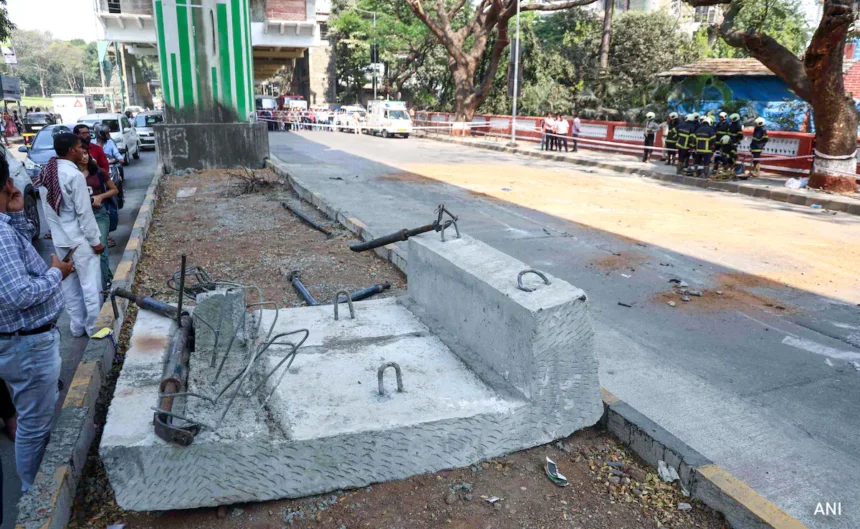
A major safety scare has brought construction work on Mumbai’s Metro Line 4 corridor to a temporary halt. The Mumbai Metropolitan Region Development Authority has suspended all work on the 32.32-kilometre metro stretch after a parapet collapse at a construction site in Mulund led to the death of one person.
Officials say work will remain suspended until a thorough safety inspection is completed and necessary corrective measures are implemented. The move reflects growing concerns over public safety, especially since construction activities are happening in busy urban areas with heavy traffic and pedestrian movement.
The incident has triggered both administrative action and a broader conversation about construction safety standards in large infrastructure projects.
What Happened at the Metro Site
Fatal collapse raises serious safety questions
The accident occurred when part of a parapet structure collapsed at the metro construction site. Sadly, one person lost their life in the incident, prompting immediate scrutiny of safety practices.
Initial assessments suggest possible negligence by contractors or inadequate supervision. However, authorities have clarified that a detailed investigation is still underway and the exact cause will only be known after a full technical review.
Such incidents highlight how even small lapses in safety protocols can have serious consequences when infrastructure projects are carried out in densely populated areas.
Contractors under preliminary scrutiny
Officials have indicated that responsibility may lie with contractors, subcontractors, or supervising consultants. This includes possible gaps in monitoring construction quality, adherence to safety guidelines, or structural checks.
However, authorities stress that no final conclusions have been drawn yet, and accountability will be determined only after the investigation is completed.
Special Safety Inspection Team Formed
13-member team to review entire corridor
To ensure thorough oversight, a Special Intensive Safety Inspection Team consisting of 13 officials has been created. This team has been tasked with inspecting the entire Metro 4 route without exception.
The goal is not only to investigate the specific accident but also to identify any other potential safety risks across the corridor.
The inspections began immediately and are expected to continue for several days.
Comprehensive checks planned
The inspection will include:
- Verification of construction work against approved architectural drawings
- Examination of parapets, edge beams, crash barriers, and handrails
- Review of structural elements over roads and public areas
- Inspection of safety nets and barricades
- Traffic protection arrangements
- Overall site safety compliance
Authorities want to ensure that every possible risk factor is examined before construction resumes.
Construction To Resume Only After Safety Clearance
Strict conditions before work restarts
According to internal administrative instructions, construction activities will only restart once:
- The inspection report is submitted
- Safety lapses are identified
- Corrective measures are implemented
- Authorities are satisfied with compliance
This cautious approach aims to prevent any recurrence of such incidents.
Infrastructure projects of this scale involve thousands of workers and affect millions of commuters, making safety a top priority.
Focus on public confidence
Authorities understand that incidents like these can shake public confidence in large transport projects. Suspending work until safety is assured helps reinforce accountability and responsibility.
This also sends a strong message to contractors about maintaining strict standards.
Leadership Oversight and Administrative Action
The suspension order was issued internally by Additional Metropolitan Commissioner Ashwin Mudgal. Administrative oversight at senior levels indicates the seriousness with which the incident is being treated.
Officials have also communicated with law enforcement authorities regarding the preliminary findings and ongoing investigation.
Such coordination helps ensure transparency and proper legal oversight.
Why Safety Matters in Mega Infrastructure Projects
High-risk environments
Metro construction projects often run through crowded urban areas. This means:
- Heavy machinery operates near public roads
- Construction occurs above traffic zones
- Workers face complex engineering challenges
- Pedestrians and commuters remain close to sites
Even minor lapses can lead to major accidents.
Need for continuous monitoring
Experts often emphasize:
- Regular structural audits
- Strict contractor supervision
- Clear safety protocols
- Emergency response preparedness
These measures help reduce risks and improve project reliability.
Impact on Mumbai’s Metro Expansion
Temporary delays expected
The suspension may cause short-term delays in construction timelines. However, authorities believe safety reviews are more important than maintaining strict deadlines.
Metro Line 4 is a crucial transport project intended to improve connectivity and reduce congestion across Mumbai’s expanding metropolitan region.
While delays may inconvenience planners, ensuring safe construction ultimately benefits everyone.
Long-term infrastructure importance
Once completed, the metro corridor is expected to:
- Improve daily commuting efficiency
- Reduce road congestion
- Lower pollution levels
- Support urban economic growth
This makes maintaining safety standards even more essential.
Public Safety and Accountability
Transparency builds trust
Infrastructure authorities increasingly recognise the importance of transparency when incidents occur. Sharing updates, conducting investigations, and taking corrective action help build public trust.
Clear communication reassures citizens that safety is being prioritised.
Lessons for future projects
Such incidents often lead to:
- Revised safety protocols
- Better contractor oversight
- Enhanced inspection mechanisms
- Improved emergency preparedness
This helps strengthen future infrastructure projects.
What Happens Next
Inspection findings awaited
The immediate next step is completion of the inspection exercise. Once authorities identify specific safety lapses, corrective measures will be implemented.
Only after these steps are completed will construction resume.
Investigation will determine responsibility
The ongoing investigation will:
- Establish the exact cause of the collapse
- Identify responsible parties
- Recommend preventive measures
This process ensures accountability and helps avoid similar incidents in the future.
Final Thoughts
The temporary halt of Metro Line 4 construction in Mumbai reflects a strong focus on safety following a tragic accident. While infrastructure growth remains vital for urban development, incidents like this highlight the importance of strict safety oversight.
Authorities appear committed to a careful review before resuming work, which could ultimately strengthen both public confidence and project safety standards.
As inspections continue, the focus remains clear: ensuring that progress does not come at the cost of human safety.