Mumbai to Install Five New Air Quality Monitoring Stations Across the City
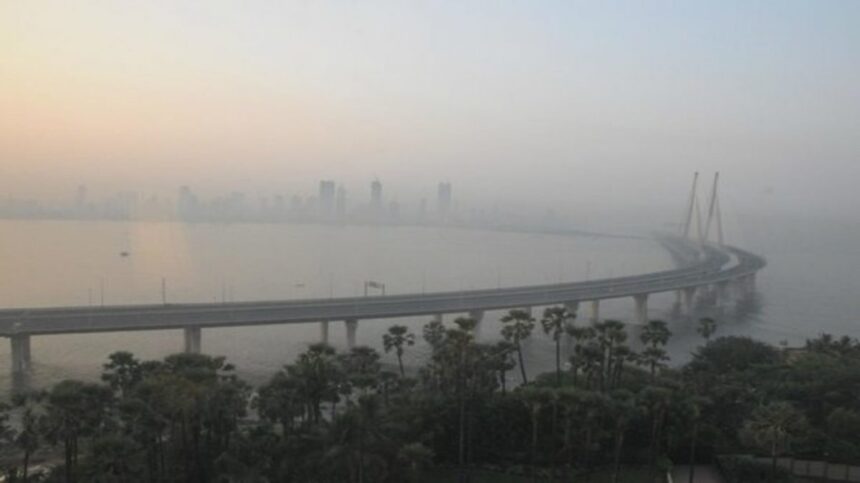
Mumbai is gearing up for a major upgrade in its fight against air pollution. The Brihanmumbai Municipal Corporation (BMC) has announced the installation of five new permanent air quality monitoring stations across key neighbourhoods. This expansion aims to strengthen the city’s pollution tracking system and make real-time air quality data more reliable and accessible.
Where the New Monitoring Stations Will Come Up
Five Fresh Locations Identified for Air Quality Tracking
The new Continuous Ambient Air Quality Monitoring Stations (CAAQMS) will be installed at:
- CD Deshmukh Park, Mulund West
- Pramod Mahajan Park, Dadar West
- Chhota Kashmir, Aarey-Goregaon East
- Dr Babasaheb Ambedkar Recreation Ground, Dahisar East
- BMC’s K West ward office, Andheri West
These additions will bring Mumbai’s total number of monitoring stations to 33, marking one of the most significant expansions in recent years.
More Mobile Vans for On-Ground Monitoring
In addition to fixed stations, the BMC is set to purchase four new mobile air quality monitoring vans. Currently, the city has only one such van, limiting the ability to conduct on-site checks in pollution hotspots. With more vans, the civic body hopes to assess air quality in real time during emergencies, festivals, construction activity spikes, or sudden pollution episodes.
Why These New Stations Matter
Filling Gaps in Under-Monitored Neighborhoods
According to the civic body, the locations were chosen based on guidelines from the Maharashtra Pollution Control Board (MPCB) and the need to fill monitoring gaps across the city. Some areas currently lack adequate air quality tracking, making it difficult for residents and policymakers to understand exposure levels and act quickly when pollution rises.
Existing Stations Spread Across the City
Mumbai already hosts monitoring stations in several important locations such as Borivli East, Byculla, Chakala-Andheri East, Chembur, Deonar, Ghatkopar, Powai, Sewri, Sion, Vile Parle West, Navy Nagar, and others. However, many of these are not operated by the BMC itself, creating dependence on other agencies for maintenance and data.
Reducing Dependence on External Agencies
BMC Wants Greater Control Over Air Quality Data
One of the main reasons behind setting up the new stations is to reduce the city’s reliance on the Central Pollution Control Board (CPCB). At present:
- 15 monitoring stations in Mumbai are operated by CPCB
- 6 stations are owned by the BMC
- The remaining stations are managed by the Indian Institute of Technology-Bombay
A senior civic official explained that relying on other agencies has caused issues in the past. When stations record missing data, sudden spikes, or irregular readings, the BMC has limited ability to get immediate technical support. This delay affects decision-making and public alerts, especially during pollution-heavy periods like winter.
Some Stations Not Working Consistently
Adding to the challenge, at least three existing stations are reportedly not functioning every day, leading to gaps in the city’s pollution data. This makes it harder to track daily fluctuations or detect short-term pollution surges.
What the Upgrade Means for Mumbai
More Reliable Pollution Data
With more stations under its direct control, the BMC expects to provide cleaner, more consistent, and real-time air quality information to citizens. The data from CAAQMS systems feeds directly into dashboards used by civic authorities, researchers, and forecasting agencies. Improving coverage means better health advisories, more accurate AQI readings, and faster response to pollution events.
Focus on Public Health and Planning
Air quality plays a central role in shaping decisions on traffic management, construction rules, waste burning enforcement, and environmental planning. As Mumbai continues to grow, having a robust air monitoring network is essential for long-term sustainability and public health.
Step Toward a Cleaner Urban Future
While installing new stations won’t instantly reduce pollution, it strengthens the city’s foundation for environmental action. Without reliable data, tackling air pollution becomes guesswork. With these updates, Mumbai is taking a necessary step toward cleaner air and more informed policy decisions.