Mumbai is fighting a severe rise in air pollution again, but this time, the BMC has undertaken one of the toughest enforcement drives in recent times. With many areas in the city recording hazardous Air Quality Index levels, the civic body issued stop-work notices to 53 sites that violated pollution-control norms. The move comes as an urgent attempt to check dust and particulate emissions that have brought the city’s air quality to dangerous lows.
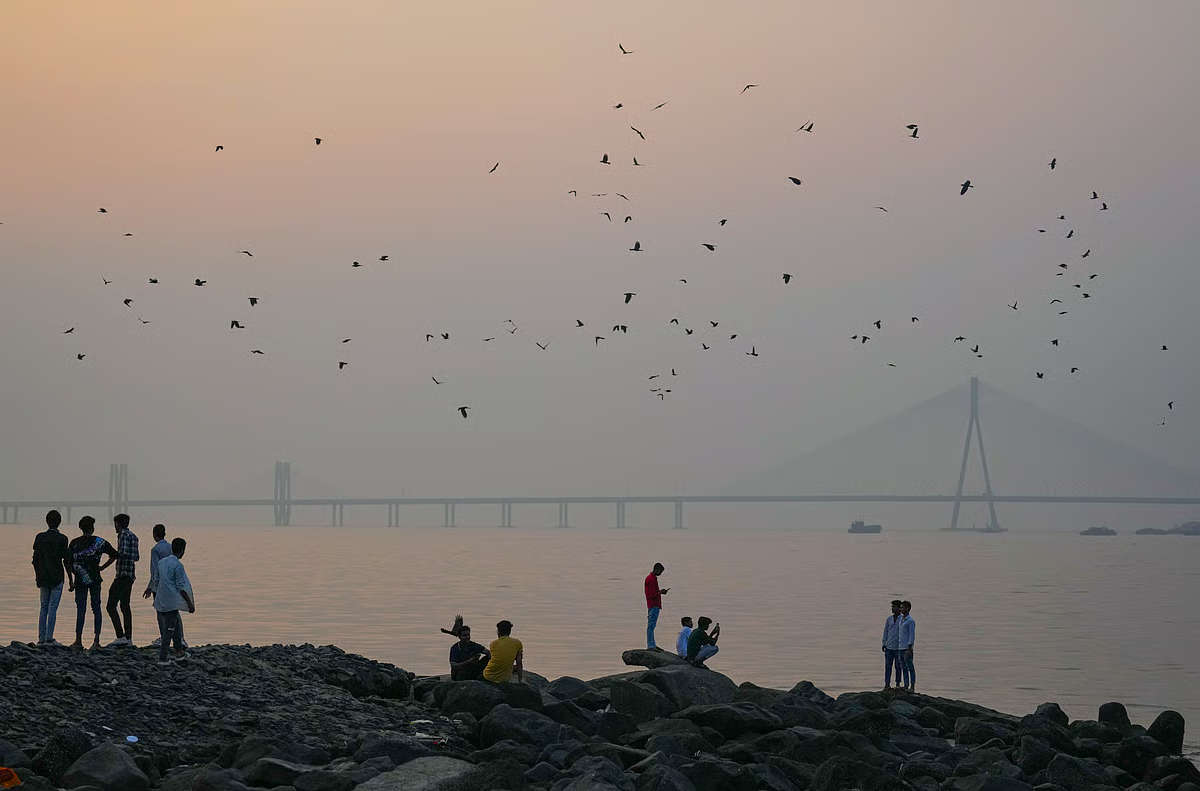
Over the past week, air quality monitors across Mumbai — from Andheri to Worli, Malad to Mazgaon — have repeatedly reported spikes in pollution levels. Thick smog has wrapped several city parts in early mornings and late evenings, creating visibility problems and triggering health worries for lakhs of residents. Experts have warned that dust from large-scale construction activity remains a key contributor to the city’s deteriorating air quality, especially in the dry winter months.
Why BMC Took Action
During the citywide inspection drive, the BMC found that dozens of construction sites were openly flouting the basic rules of dust control. The violations included:
Failure to install or operate the AQI monitoring sensors
Lack of dust-suppression systems such as water sprinklers and fogging machines
Construction waste left uncovered or improperly disposed of
Missing barricades or green cloth coverings around the periphery of the site
Heavy vehicles moving in and out without tyre-washing facilities.
Such lapses directly contribute to high levels of PM10 and PM2.5 — harmful particulate matter that stays suspended in the air and is easily inhaled. Recognizing the urgency, BMC’s ward-level squads and special “flying teams” were deployed to conduct surprise inspections, ultimately issuing stop-work orders to 53 erring sites across the city.
While development and construction are important for the growth of Mumbai, officials said that the health of the citizens cannot be compromised. They added that work may resume only after full compliance with environmental guidelines.
Construction Industry Under Scrutiny
Mumbai is one of India’s busiest construction hubs: everything from high-rise residential towers to metro lines, coastal roads, and commercial complexes. But this rapid pace of development comes with significant environmental costs.
Over the years, BMC has introduced a 28-point guideline for all construction projects, ranging from mandatory barricading to scientific debris management, regular sanitization of sites, real-time monitoring of air quality, and strict protocols on vehicular movements. Yet, most builders treat these rules as optional rather than compulsory.
The latest crackdown sends a stern message that non-compliance will no longer be tolerated. Civic officials have also hinted that repeated violations might attract monetary penalties and blacklisting of contractors in the near future.
Public-Health Concerns Mount
With pollution levels increasing, hospitals across Mumbai report a rise in the number of cases of breathlessness, eye irritation, dry cough, and respiratory discomfort. Children, senior citizens, and those suffering from asthma or chronic respiratory disorders are more vulnerable.
Doctors caution that long-term exposure to such poor quality air can have serious long-term health complications, including a reduction in lung function and increased vulnerability to infection. As winter strengthens, wind speeds have fallen, and pollutants are increasing in the lower atmosphere due to not being able to disperse upwards.
According to environmental activists, Mumbai is fast reaching a tipping point, much like Delhi’s pollution crisis, if sustained action is not taken. While other factors like vehicular emission and industrial activities also contribute, construction dust remains the most avoidable and directly controllable element.
BMC’s Larger Strategy to Improve Air Quality
Starting with a crackdown on construction sites, the BMC has begun implementing a multi-pronged strategy to reduce pollution citywide. These include:
Increase water sprinkling frequency on main roads
Ensuring bakeries, crematoriums, and industrial units shift to cleaner fuel.
Stricter monitoring of debris transportation trucks
Promotion of electric buses, phasing out older fuel-guzzling vehicles
Fast deployment of more AQI sensors in the city.
According to officials, the aim is not simply punitive but to construct a long-lasting framework for cleaner urban living.
The Road Ahead The pollution crisis underlines a deeper contradiction: A city that must go on building but can no longer afford environmental negligence. Recent actions by BMC signal a turning point-that development cannot come at the cost of public health. For builders, the message is clear: compliance is not optional. For the residents of Mumbai, it raises a glimmer of hope for cleaner skies. For the city of Mumbai as a whole, the crackdown is an urgent reminder: future growth and sustainable practices will have to go hand in hand if this metropolis is to remain livable in the years ahead.