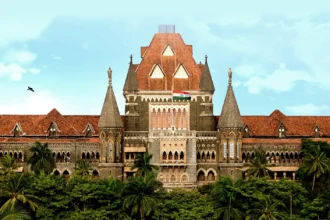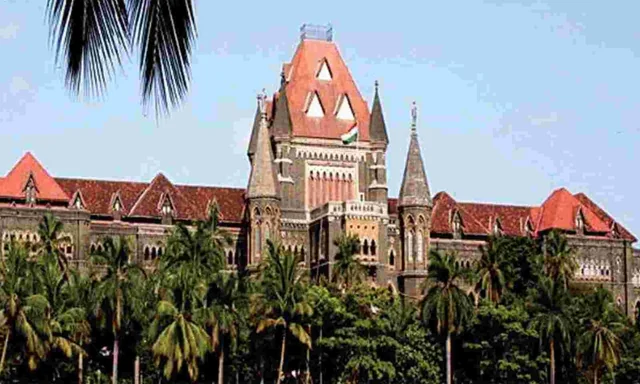
Bombay High Court Questions FIR Against U.S. National Held Under Conversion, Black Magic Laws
The Bombay High Court has stepped in to seek clarity on a controversial case involving a U.S. citizen, James Leonard Watson, who was arrested in Maharashtra’s Thane district under laws related to black magic and religious conversion.
The court’s move comes after growing attention — and confusion — around the circumstances that led to Watson’s arrest, raising serious questions about freedom of religion, legal interpretation, and the treatment of foreign nationals in India.
What Led to the Arrest?
Watson, a U.S. national reportedly in India on a tourist or humanitarian visa, had attended a prayer meeting in a rural part of Thane district. According to reports, the gathering was peaceful — until a complaint was lodged alleging that Watson and others were involved in attempts to convert local residents through prayer and religious discussions.
Police arrested him under sections of Maharashtra’s anti-black magic law and provisions of the state’s anti-conversion legislation, both of which have been sources of legal debate and controversy in recent years.
A Foreign National in Legal Crosshairs
The arrest of a foreign national under such sensitive charges has raised eyebrows, both legally and diplomatically. Watson’s detainment prompted swift legal action, leading to a petition in the Bombay High Court questioning the validity of the charges, the manner of the arrest, and the grounds on which the FIR was filed.
In its latest hearing, the Bombay High Court asked the Maharashtra government and police to provide clear details on:
- The basis of the allegations
- Whether due process was followed
- What evidence (if any) supports the charge of forced conversion or black magic
Was It a Prayer or a Conversion Attempt?
One of the biggest debates surrounding the case is this: Was Watson simply practicing his faith, or was he violating Indian law?
Supporters of Watson claim the prayer meeting was peaceful and voluntary, involving locals who chose to attend. They argue that no coercion, inducement, or illegal activity occurred.
Critics, however, cite state laws that criminalize any attempt to convert others through influence, allurement, or misrepresentation — a gray area that courts have had to interpret on a case-by-case basis.
Court Demands Specifics, Not Assumptions
In its remarks, the Bombay High Court stressed the need for precision, noting that vague or assumption-based FIRs — especially against foreign nationals — could have wider diplomatic and legal consequences.
The court has asked for detailed submissions from law enforcement and state officials and is expected to review the evidence closely before deciding the next course of action.
Growing Legal Tensions Around Religious Gatherings
Watson’s case is not isolated. In recent years, several cases have emerged across India involving prayer meetings, house gatherings, or social work programs being interpreted as attempts at religious conversion — often leading to FIRs, arrests, and prolonged legal battles.
Laws like the Maharashtra Prevention and Eradication of Human Sacrifice and Other Inhuman, Evil and Aghori Practices and Black Magic Act, along with state-level anti-conversion laws, have been used increasingly to monitor and regulate religious events.
Critics argue that the laws are vague, overly broad, and prone to misuse, while supporters believe they are essential to protect vulnerable communities from exploitation.
International Implications?
With a U.S. citizen now caught in this legal tangle, the case could attract international attention. While no official statement has been made by U.S. diplomatic channels so far, such arrests often trigger scrutiny over religious freedom, human rights, and visa regulations.
Legal experts say the case might require delicate handling, especially if Watson’s visa conditions did not prohibit him from attending religious events or interacting with local communities.
What Happens Next?
The Bombay High Court is likely to hear the matter again after reviewing detailed responses from the state. Until then, Watson’s legal fate — and the broader implications of his arrest — remain uncertain.
If the court finds procedural lapses or lack of evidence, it could lead to a quashing of the FIR. If not, Watson may face trial under state laws that carry serious legal consequences, including jail time.
Final Thoughts: Law, Religion, and the Thin Line Between
Watson’s arrest has reopened a sensitive national debate — Where do we draw the line between freedom of religion and illegal conversion?
With the Bombay High Court now involved, the case will likely set a legal precedent that could impact how similar cases are handled in the future, especially when foreign nationals are involved.
One thing is certain: this story is far from over.