Mumbai Wakes Up to Cool Morning, Thick Smog and Rising Pollution Worries
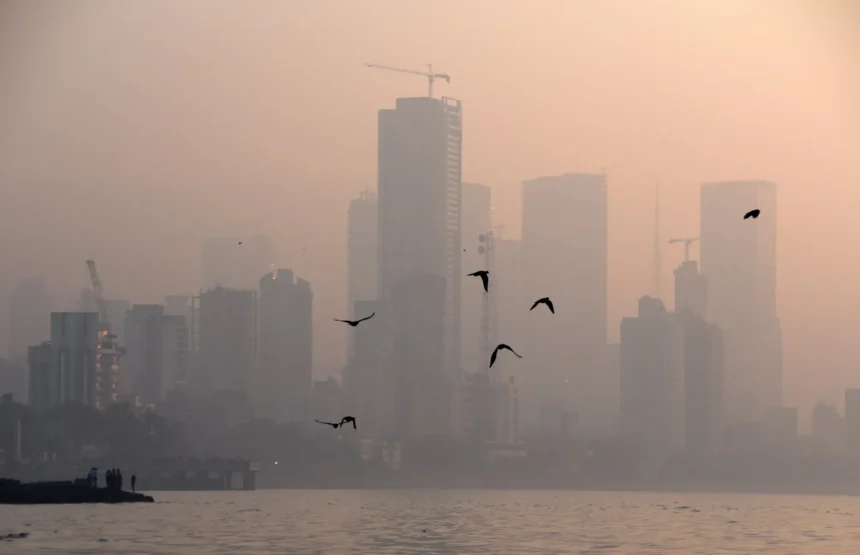
Mumbai began its Tuesday with a slightly cooler morning, offering residents a brief moment of comfort before the air turned heavy with pollution. Minimum temperatures dipped below 22 degrees Celsius in some parts of the city, but what could have been a refreshing start quickly shifted into concern as a dense layer of smog settled over major areas.
Early commuters reported low visibility, burning eyes, and irritation in the throat as the city’s air quality once again became a talking point. With pollution becoming a recurring problem every winter, many Mumbaikars are increasingly worried about what lies ahead.
Clear Skies but Poor Air: What IMD Says About Today’s Weather
According to the India Meteorological Department, Mumbai can expect clear skies throughout the day. While the morning may have felt crisp, the afternoon is likely to get much warmer, with maximum temperatures climbing to around 34 degrees Celsius.
Mild Morning Chill to Stay for a Few Days
The IMD has noted that the early morning coolness may continue for the next few days. However, this does not directly translate to cleaner air. Despite clearer skies, there is no confirmation yet on when the city’s air quality will improve meaningfully.
Mumbai’s Microclimate: Sharp Contrasts Across the City
Mumbai’s weather often reveals dramatic differences between the island city and its suburbs.
- Colaba recorded a minimum temperature of 23.9 degrees Celsius with humidity at 90 percent.
- Santacruz was cooler at 21.9 degrees Celsius with humidity around 82 percent.
These contrasts highlight the city’s unique microclimatic variations, influenced by proximity to the sea, dense construction in central areas, and open spaces in the suburbs.
Mumbai’s AQI Remains Moderate but Worrisome
Mumbai’s Air Quality Index rose to 176 on Tuesday, placing it in the moderate category. While this is not as severe as Delhi’s conditions, it is still high enough to impact vulnerable groups such as children, the elderly, and those with respiratory conditions.
Doctors continue to advise limiting outdoor exercise, especially during early morning and late evening hours when pollutants tend to stay close to the surface.
How Delhi’s Toxic Smog Puts Mumbai’s Pollution in Perspective
While Mumbai battles its own haze, the situation in Delhi remains far more alarming. On Tuesday morning, the national capital was covered with a thick blanket of smog, causing visibility issues and intense discomfort for residents. The average AQI in Delhi stood at an alarming 363 at 7 am, placing it in the very poor category.
This comes despite GRAP-III restrictions being enforced across Delhi and NCR, which include strict curbs on construction and industrial emissions.
Several Delhi Pockets Touch Severe Levels
According to pollution monitoring data:
- Wazirpur recorded an AQI of 400
- Anand Vihar touched 401, falling under the severe category
- Bawana recorded an AQI of 388 in the very poor range
- NSIT Dwarka registered a slightly lower AQI of 314 but still within the very poor category
For context, the AQI scale categorises:
- 0–50 as good
- 51–100 satisfactory
- 101–200 moderate
- 201–300 poor
- 301–400 very poor
- 401–500 severe
Delhi’s numbers show how dangerous winter pollution can become, especially when combined with low wind speed and temperature inversions that trap pollutants close to the ground.
Why Mumbai Is Seeing More Smog Than Usual
Shift in Weather Patterns
Cooler temperatures often lead to pollutants getting trapped close to the city surface. With limited wind movement in the early hours, smog tends to stay longer before dispersing.
Increase in Local Emissions
Several factors contribute to Mumbai’s rising pollution levels:
- Construction activity across suburbs and major corridors
- Traffic congestion during peak hours
- Industrial emissions in neighbouring districts
- Waste burning in some pockets
- Marine air mixing less efficiently due to seasonal changes
Even though Mumbai traditionally fares better than Delhi, the city is now experiencing more days of moderate to poor air quality each winter.
Impact of Smog on Daily Life in Mumbai
Commuters Facing Morning Discomfort
Many office-goers and students reported:
- Breathing difficulty
- Watery eyes
- Mild headaches
- Reduced visibility on roads and highways
These symptoms often worsen for those already dealing with asthma or respiratory illnesses.
Schools and Offices Taking Precautions
Schools in some areas have advised:
- Avoiding morning assemblies
- Limiting strenuous outdoor activities
- Encouraging masks for sensitive children
Offices have issued internal alerts encouraging employees to avoid unnecessary travel and stay indoors during peak smog hours.
What Experts Recommend for Residents
Doctors and environmental experts suggest the following steps during moderate to high pollution days:
- Avoid exercising outdoors during early morning and late evening
- Use air purifiers where possible
- Wear protective masks if travelling long distances
- Keep windows closed during peak pollution hours
- Stay hydrated to help the body cope with pollutants
For those with existing health conditions, regular check-ups and prescribed inhalers become crucial.
When Will Mumbai’s Air Improve?
The IMD has not provided a clear forecast on when the pollution levels will drop. Improvement depends on:
- Increase in wind speed
- Shift in humidity levels
- Changes in temperature patterns
- Reduction in local pollution sources
While the city may see periodic improvements, smog-related issues are likely to continue throughout the winter season.
Comparing Two Cities: Mumbai vs Delhi Pollution
Delhi regularly hits very poor to severe levels during winter, driven largely by:
- Crop residue burning in neighbouring states
- Industrial emissions
- Dust from construction
- Vehicle pollution
- Seasonal weather patterns
Mumbai’s pollution is locally generated and often stays within moderate levels. However, the rise in smog over recent years indicates that the city may face worsening winters if immediate action is not taken.
The Road Ahead: How Cities Can Combat Seasonal Pollution
Experts argue that cities like Mumbai and Delhi need long-term strategies, not just seasonal responses. These may include:
- Stronger public transport systems
- Encouraging electric mobility
- Strict monitoring of construction sites
- Focus on green urban planning
- Enforcement against garbage burning
- Expansion of coastal and urban green zones
Without structural change, winter pollution could become an annual crisis across India’s major cities.
Mumbai’s Winter Smog Is a Warning Sign
Mumbai’s hazy morning may seem mild compared to Delhi’s toxic skies, but the trend is concerning. With temperatures dropping and pollution levels rising, residents are experiencing firsthand how winter can transform the city’s air quality.
The combination of heat, smog, and moderate AQI reflects a larger environmental challenge that demands immediate action. While the IMD forecasts clear skies and rising temperatures, the air residents breathe remains far from clean.