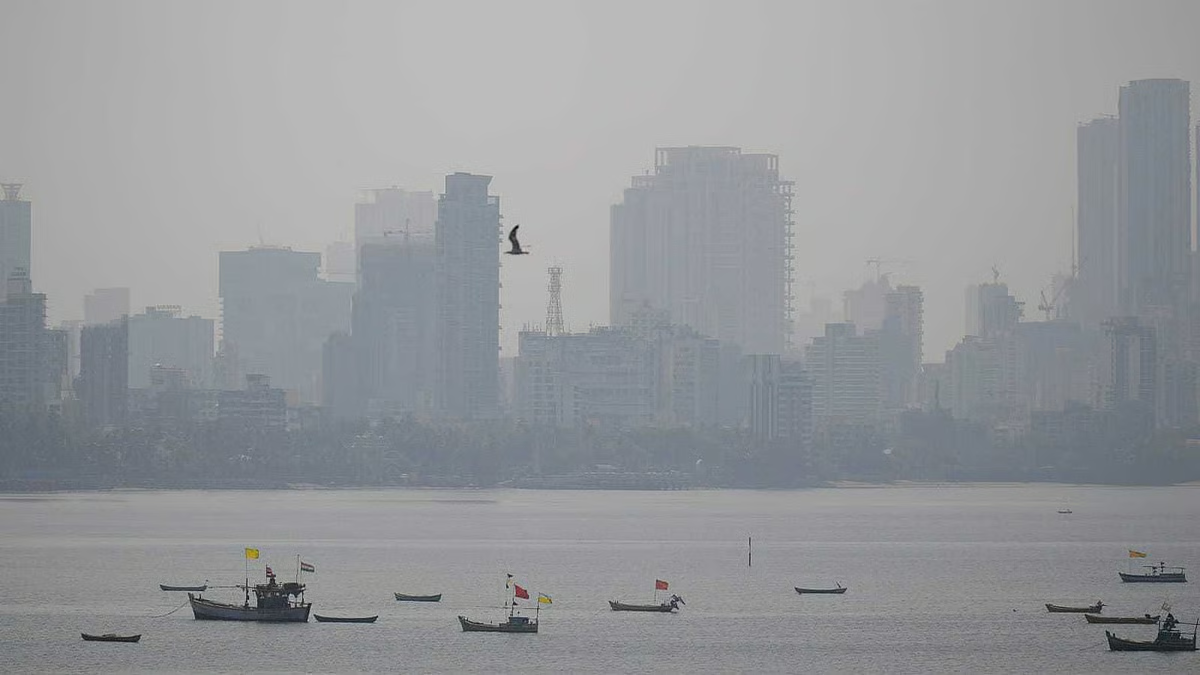
Mumbai began its Saturday on a stunning note. Clear blue skies, crisp sunshine, and a gentle chill in the air made the city look postcard-perfect. But beneath this inviting weather was a growing environmental concern: worsening air quality that threatened to overshadow the pleasant start to the day.
Despite the warmth and brightness that made the morning feel like a welcome break from the usual humidity, pollution levels across the city revealed a very different reality. While the weather remained pleasant and ideal for outdoor plans, experts urged caution, especially for people sensitive to pollution.
A Perfect Day on Paper: What IMD Predicts
According to the India Meteorological Department, Mumbai is expected to see typical mid-November weather. That means sunshine, calm skies and moderate daytime temperatures that hover between 28 and 30 degrees Celsius.
The afternoon promises to be ideal for stepping outdoors, with the mild warmth making it perfect for walks, outings, or simply soaking in the sun. As night falls, the temperature will cool to around 18 degrees Celsius, offering a refreshing evening breeze and controlled humidity levels.
In short, it’s the kind of weather Mumbaikars wait for each year.
Weather vs. Reality: The Air Quality Tells a Different Story
Even as the skies remained spotless and bright, Mumbai’s air carried invisible pollutants that painted a much darker picture. Data from the Central Pollution Control Board’s SAMEER app showed that the city recorded an overall AQI of 156 at around 10 am, placing it in the moderate category.
But the real picture becomes clear when one looks at individual neighbourhoods.
Areas With Better Air Quality
Some localities surprised residents with relatively clean air.
The following regions reported AQI levels under 100, which is considered satisfactory:
- Colaba: 62
- Vasai: 91
- Byculla: 94
These areas remained the rare spots where the air felt as crisp as the weather looked.
Neighbourhoods Struggling With Rising Pollution
Unfortunately, the rest of Mumbai told a more concerning story. A number of prominent neighbourhoods recorded AQI levels falling in the moderate to poor range:
- Powai: 129
- Andheri: 157
- Ghatkopar: 186
- Mazgaon: 195
One of the worst-hit regions of the day was Chembur, which recorded an AQI of 203, placing it firmly in the poor category.
But the most alarming reading came from:
- Bandra Kurla Complex (BKC): 321
An AQI above 300 is classified as very poor, meaning the air carries enough pollutants to pose health risks even to people without respiratory issues. This spike has raised fresh worries among environmental researchers and health experts.
In nearby regions, conditions were slightly better but still concerning:
- Navi Mumbai: 140 (moderate)
- Thane: 98 (satisfactory)
What These AQI Levels Really Mean
Understanding AQI categories helps make sense of how the air affects daily life:
- 0–100: Good
- 101–200: Moderate
- 201–300: Poor
- 301–400: Very Poor
- 401+: Severe
Mumbai’s readings show that while a few parts of the city enjoy clean air, several everyday neighbourhoods are slipping into alarming zones. The sharp contrast between weather and air has made many residents rethink outdoor plans.
Why Air Pollution Is Rising Despite Clear Skies
Many residents wondered why pollution was up even though the skies were clearer than usual. Experts explain that during this time of year, cooler mornings trap pollutants closer to the ground. With calm winds and no rain to disperse them, pollutants linger for longer periods.
Construction dust, vehicle emissions, industrial activity, and waste burning all contribute to the rising AQI. As the day progresses, wind movements may shift these pollutants across neighbourhoods, causing sudden spikes.
Health Advisory: Why You Should Stay Alert
Even though the weather is inviting, health specialists advise caution. People with respiratory issues such as asthma, bronchitis, or allergies must avoid prolonged outdoor exposure. Children and elderly individuals are also more likely to feel discomfort when air quality dips.
Masks, especially pollution-filtering ones, can help reduce inhalation of particulate matter. Morning joggers, cyclists, and fitness enthusiasts may want to reschedule outdoor workouts until AQI improves.
The Weekend Outlook: What Residents Should Expect
Air quality levels are expected to fluctuate through the day. While portions of the city may experience temporary improvement, pollution may rise again during peak traffic hours or late in the evening.
Residents planning outdoor activities can check real-time AQI using the SAMEER app to avoid high-pollution windows. Those living in high-AQI areas like BKC or Chembur should consider keeping windows closed during peak hours and using air purifiers if needed.
Mumbai’s Dual Reality: Beautiful Weather, Troubling Air
This Saturday perfectly captures Mumbai’s unusual duality. On one hand, the weather is among the best the city has seen in weeks, with clear skies that instantly lift the mood. On the other hand, the air you breathe might not be as refreshing as it feels.
Experts believe that until long-term measures are implemented to manage emissions and construction dust, such contrasts will continue to define Mumbai’s winter months.
For now, enjoy the sunshine—but stay mindful of the air around you.