In a major policy decision to rejuvenate Mumbai’s decaying infrastructure and its housing stock, the Maharashtra government has announced key amendments to the Maharashtra Housing and Area Development Authority regulations under DCPR 2034. The new changes are designed to make redevelopment projects more economically viable for developers while guaranteeing quicker execution and improved living for the residents of old and dilapidated buildings across the city.
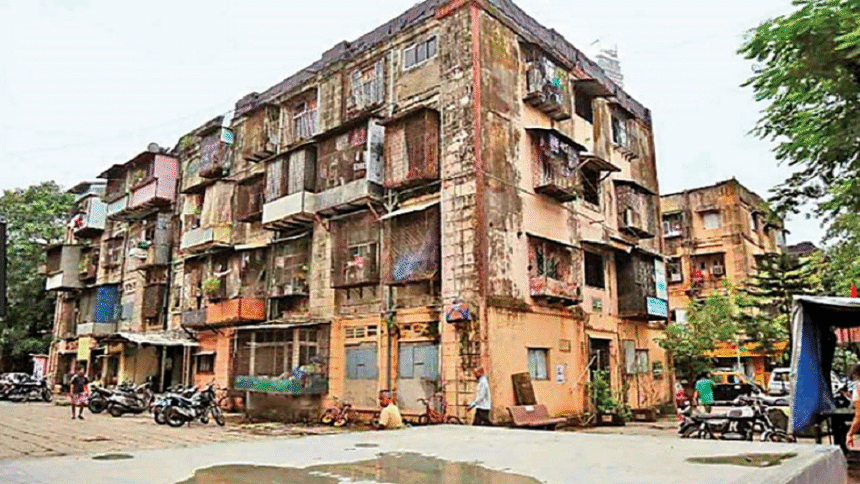
Torn between heritage preservation, safety, and the growing urge for modern housing solutions within the densely urban metropolis, Mumbai is home to thousands of cessed buildings, many of which are over 70 years old. The latest update by the state is expected to expedite projects that have been stalled for years due to financial constraints, bureaucratic delays, and disputes between developers and tenants.
Under the new policy framework, the state government is providing more FSI incentives for MHADA and cluster redevelopment schemes. Developers will be entitled to a higher FSI cap in certain zones for meeting stipulated deadlines in completing projects and maintaining transparency in tenant rehabilitation. The move is aimed at increasing private participation and investment in urban renewal with least litigation and cost overruns.
The guardian minister of housing, Atul Save, said, “Mumbai is at an important juncture in the development of its urban landscape. These reforms are intended to bring a win-win situation both for the tenants and for the developers. We want to make sure there is safety, faster rehabilitation, and sustainable housing development.” He added that the government would soon issue detailed guidelines on eligibility criteria, premium payments, and time-bound approvals.
The decision comes at a time when several redevelopment projects, especially in South Mumbai, have been facing stagnation due to financial non-viability. Rising construction costs, limited FSI, and complex approval procedures have deterred developers from taking on risky old-building projects. As a result, many residents continue to live in unsafe structures prone to collapse during monsoon seasons.
Urban planners have largely welcomed the government’s move but urged caution in implementation. Architect and urban policy expert Pankaj Joshi commented, “While the increase in FSI is a positive step, the state must ensure that infrastructure—like roads, sewage, and transport—can handle the added density. Redevelopment should not come at the cost of urban livability.”
The DCPR 2034, which was proposed earlier to guide the long-term growth of Mumbai, laid the foundation for sustainable densification and infrastructure improvement. This, according to experts, has been hindered due to delays in project approvals and overlapping jurisdictions between MHADA, the BMC, and the state urban department. The fresh amendments try to smoothen this by cutting down bureaucratic red tape and introducing digital sanction systems for redevelopment applications.
Developers have welcomed the revised policy. “The old system often made redevelopment unfeasible, especially in prime locations where costs were high. With additional FSI and simplified procedures, we can now take up more projects with confidence,” said a spokesperson for the Maharashtra Chamber of Housing Industry (MCHI-CREDAI).
The new regulations also focus on the welfare of the tenants: developers are to provide temporary accommodation or compensation for rent without delay during the construction period. The policy demands transparent agreements with housing societies to avoid situations where residents wait for years to take possession. The government would digitally monitor projects to ensure real-time progress without fraudulent delays.
For residents, it could mean improved housing safety, better amenities, and increased property values. For Mumbai as a whole, it is a chance to renew old neighborhoods into modern, resilient, sustainable urban zones. However, there are civic groups that have voiced their concerns over the loss of heritage structures and the gentrification of traditional communities. The coming months will be crucial for assessing the ground-level impact of these changes. If implemented effectively, Maharashtra’s updated redevelopment rules could mean a sea change not only in the Mumbai skyline but also in its socio-economic landscape, serving as a template for other Indian cities grappling with the challenges of urban decay and renewal. As the city prepares for this next phase of modernization, the balance between progress and preservation will define whether Mumbai’s redevelopment story becomes a model for inclusive urban growth—or another chapter in its long struggle with uneven development.