Metro 3 Marks New Era in Mumbai’s Public Transport
Mumbai’s newly inaugurated Metro Line 3 (Aqua Line) is already making waves — not just for its sleek design or modern stations, but for the significant impact it’s expected to have on easing traffic congestion and reducing travel time in the city.
Among the early passengers and vocal supporters is Shiv Sena MP Milind Deora, who shared his thoughts on the transformative project via social media, calling it a “turning point in Mumbai’s public transport story.”
Milind Deora Applauds Metro 3: “A Decisive Step Forward”
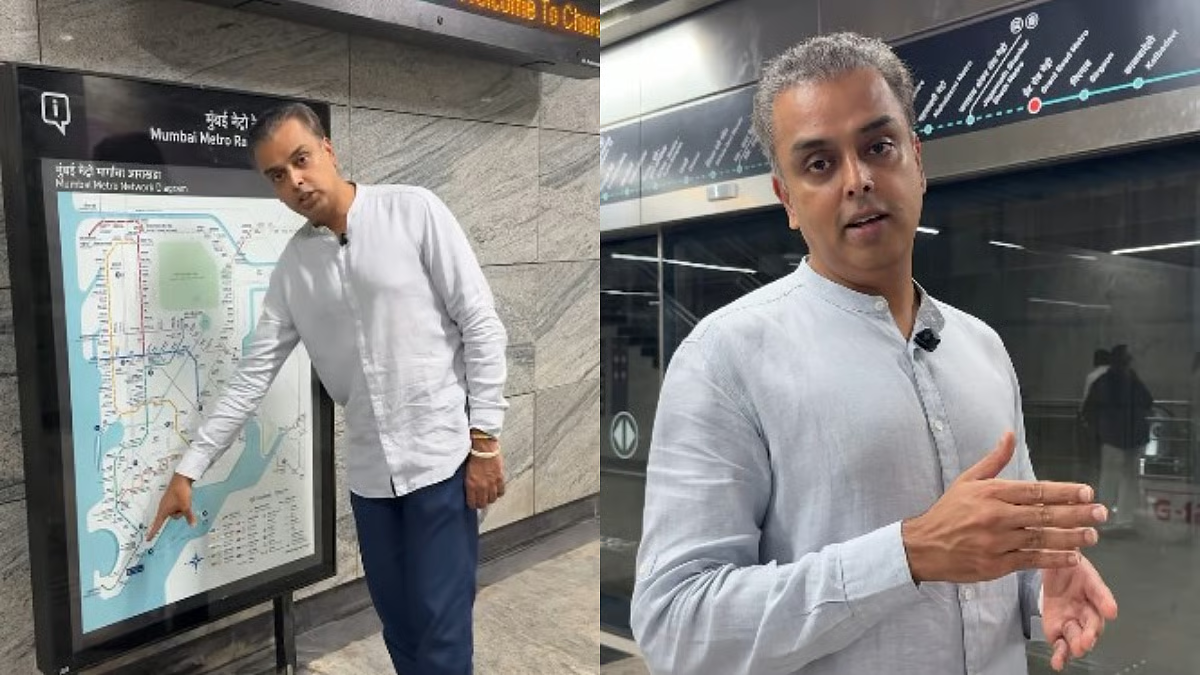
Taking to Instagram, the Mumbai South MP documented his experience on the Aqua Line, praising the comfort, speed, and convenience the new metro brings. More importantly, he emphasized what this metro line means for the future of the city.
“Metro 3 is not just about connectivity. It’s a decisive step toward decongesting our roads and elevating Mumbai’s infrastructure,” Deora wrote, reflecting a sentiment shared by many citizens tired of traffic snarls and overcrowded roads.
The post resonated with thousands of Mumbaikars who’ve long awaited a reliable alternative to road transport, especially in South Mumbai where traffic congestion is a daily ordeal.
What Makes Metro Line 3 So Important?
The Mumbai Metro Line 3, also known as the Aqua Line, is a fully underground corridor that runs through the heart of the city, connecting Colaba in South Mumbai to SEEPZ in the north.
This 33.5-kilometer line is expected to:
- Carry over 17 lakh (1.7 million) commuters daily once fully operational
- Reduce travel time between Colaba and SEEPZ from 90 minutes to just 30 minutes
- Decrease the number of vehicles on roads, helping to cut air pollution
- Ease the burden on Mumbai’s suburban railway lines
For a city where public transport is the backbone of daily life, Metro 3 is being hailed as one of the most significant infrastructure upgrades in decades.
A Boon for South Mumbai
One of the standout features of Metro 3 is that it finally brings modern metro connectivity to South Mumbai — an area that, until now, heavily relied on taxis, BEST buses, and the aging suburban rail network.
Stations like Cuffe Parade, Churchgate, Marine Lines, and Girgaon will now have seamless metro access, transforming commute patterns in the area and improving quality of life for thousands.
Environmental and Urban Impact
Milind Deora also highlighted the environmental benefits of the metro project. By reducing the number of cars, taxis, and private vehicles on the road, the Metro will contribute to:
- Lower carbon emissions
- Reduced dependence on fossil fuels
- Improved air quality in key traffic zones
Moreover, the underground design ensures that it doesn’t disturb Mumbai’s already dense surface infrastructure — preserving open spaces and heritage zones while adding high-capacity transport below ground.
Citizen Reactions: Hope and Relief
The launch of Metro 3 has sparked a wave of positivity among Mumbaikars, especially office-goers, college students, and daily wage workers who often spend hours commuting in peak traffic.
Commuters are praising the air-conditioned coaches, clean platforms, and fast frequency of trains. For many, this isn’t just a mode of transport — it’s a long-awaited solution to the city’s chronic traffic and transit issues.
From Vision to Reality
The Metro Line 3 project has been in the works for several years, facing multiple delays due to land acquisition issues, legal hurdles, and environmental concerns. However, its completion marks a significant milestone for Mumbai’s urban development.
Milind Deora, who has long advocated for improved infrastructure and transit solutions for Mumbai, acknowledged the challenges but praised the teams and agencies that made it happen.
“Yes, there were roadblocks along the way, but this shows what we can achieve with vision, political will, and public cooperation,” he added in his Instagram post.
More Metro Lines on the Way
Metro 3 is just one part of a larger metro network being built across Mumbai. With multiple corridors in different stages of construction or planning — including Metro 2A, 7, and 4 — the aim is to create a fully integrated transport grid that connects every corner of the city.
Once completed, Mumbai’s metro system will rival those of major global cities in terms of reach and capacity.
Final Thoughts: A Step Toward a Smarter Mumbai
Milind Deora’s praise of the Aqua Line reflects a broader optimism around the future of Mumbai’s infrastructure. In a city bursting at the seams with population and pressure, projects like Metro 3 bring real, visible change to daily life.
It’s more than a metro line. It’s a symbol of progress, a move toward sustainable urban living, and a reminder that Mumbai can — and must — continue to evolve to meet the needs of its people.