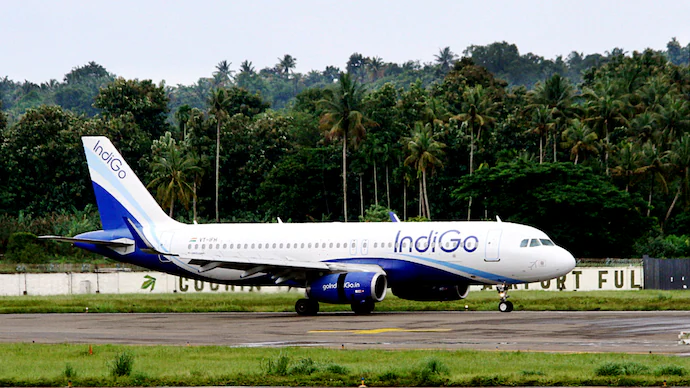
On October 11, 2025, Mumbai’s Chhatrapati Shivaji Maharaj International Airport (CSMIA) was put on high alert following a bomb threat to two IndiGo flights. The prompt and concerted action of airport security ensured the safety of passengers and avoided serious disruption of airport activities.
Incident Overview
The first episode involved IndiGo flight 6E 1275, which was scheduled to travel from Mumbai to Muscat. When the threat was received, the flight was diverted to a secluded bay from the main terminal immediately. Normal emergency procedures were initiated, such as deboarding passengers orderly, giving assistance and information, and conducting thorough security screening.
Soon after, another IndiGo flight, 6E 56, heading to Jeddah, was similarly threatened with a bomb. Procedures were also the same, with the plane being shifted to a safe isolation bay and armed security teams being deployed to verify the safety of the passengers as well as crew members.
Airport Security Steps
The response from CSMIA reflects the readiness of the airport to deal with high-risk threats. Some of the critical steps involved:
Isolation of Aircraft: Both the planes that were affected were diverted to isolated locations to avert any possible danger to other aircraft or terminal operations.
Deployment of Security Personnel: Bomb Detection and Disposal Squads (BDDS) and sniffer dogs did rigorous checks on the planes.
Passenger Management: Passengers were safely disembarked, supplied with refreshments, and informed at each phase of the security process.
Coordination with Authorities: The airport cooperated closely with the Directorate General of Civil Aviation (DGCA), Central Industrial Security Force (CISF), and other authorities in handling the situation effectively.
Impact on Operations
Even with the increased security measures, CSMIA operated as usual, with minimal flight delays or cancellations. The airport’s quick response caused little disruption and upheld public trust in its security.
Broader Implications
Although bomb threats in aviation are usually false, they need to be addressed immediately because of the possible risk to lives. The incidents highlight the necessity for stringent regulations and swift response systems. The Indian government has been considering legislation to impose stronger penalties on people making hoax threats, including instant investigation, arrest without previous court orders, and placement on no-fly lists.
Airlines and airports are also making investments in sophisticated screening technologies and intense employee training programs to thwart and effectively respond to such attacks. Public awareness campaigns are being run with the purpose of educating passengers about the gravity of bomb threat and penal consequences of reporting threats fictitiously.
Conclusion
The bomb threat incidents at Mumbai’s Chhatrapati Shivaji Maharaj International Airport demonstrate the importance of vigilance, preparation, and coordinated action in aviation security. Thanks to the airport authorities’ swift response, passengers remained safe, and normal operations were maintained. These measures highlight ongoing efforts to strengthen airport security and protect air travelers from potential threats.