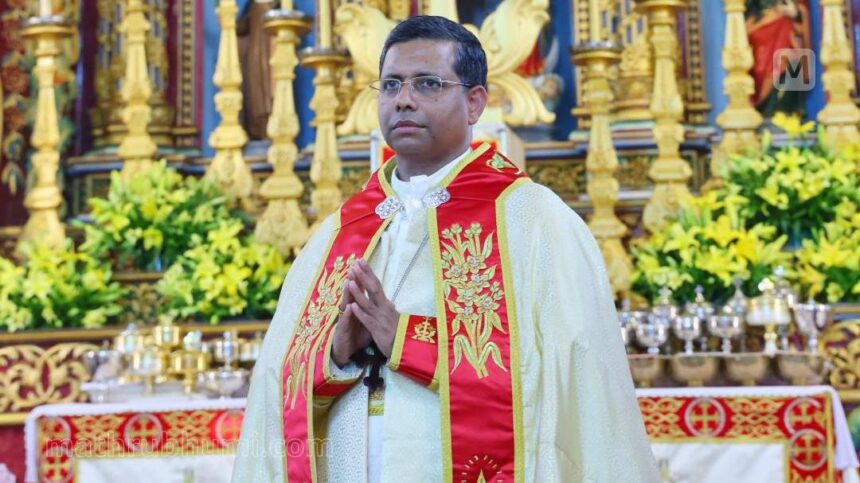
In a major effort towards fostering interfaith dialogue and international fraternity, the Vatican has sent Cardinal George Jacob Koovakad to Mumbai to attend the interfaith conclave named “Pilgrims of Hope – Religions Journeying for Peace.” The event is planned to take place in early October 2025 and is celebrated as the Jubilee Year, a time honored by the Church to highlight spiritual rejuvenation, introspection, and the spread of hope and peace among people of different faith. This project reaffirms the Vatican’s continued dedication to peaceful coexistence among various religious groups.
Cardinal Koovakad: Interreligious Dialogue Leader
Cardinal Koovakad, who was named Prefect of the Dicastery for Interreligious Dialogue by Pope Francis in January 2025, has been known for years for his contributions toward enhancing interfaith cooperation and understanding. The Dicastery is the Vatican department that takes on the task of establishing and strengthening relationships between the Catholic Church and the rest of the world’s religions. The Dicastery, under the leadership of Cardinal Koovakad, has prioritized dialogue as a conflict resolution mechanism, expression of respect, and building of peace. His appearance at the event in Mumbai indicates the Vatican’s desire to have face-to-face meetings with domestic and foreign religious leaders, setting the stage for interfaith learning and collaboration.
In his earlier addresses, Cardinal Koovakad has emphasized how dialogue can avoid religious violence and intolerance. He believes that faith groups have to collaborate not just in matters of faith but also in social activities, education, and humanitarian works. His presence in Mumbai is likely to motivate local faith communities and leaders to persist with collaborative ventures that enhance social harmony.
“Pilgrims of Hope” – The Jubilee Year Theme
The interfaith event is held with the theme “Pilgrims of Hope – Religions Journeying for Peace.” The theme captures both the religious and social aspects of the Jubilee Year. In Christianity, Jubilee is a time of renewal, forgiveness, and hope, where individuals are invited to pursue spiritual refreshment and encourage acts of charity. This year, the Bombay Archdiocese has positioned the Jubilee as a moment to connect not only with the Catholic believers but also with the city’s leaders and followers of other faiths.
The assembly is meant to highlight the universal values of humanity common to all religions, including compassion, justice, empathy, and respect for human life. The intention is to create a space for celebration of religious diversity instead of religious division. The Vatican’s focus on interfaith dialogue is in line with Pope Francis’s wider vision, which takes cognizance time and again of dialogue, tolerance, and peace as key principles of faith in contemporary times.
Mumbai: A Microcosm of Religious Diversity
A cosmopolitan city with a multi-religious population, Mumbai provides an appropriate setting for such a high-level interfaith meeting. Hinduism, Islam, Christianity, Sikhism, Jainism, and other religious faiths live together in the city, frequently engaging in community service activities and cultural exchange. Despite this, like every other metropolitan city, Mumbai has challenges of communal tension, socio-economic imbalances, and periodic religious polarization. Activities such as “Pilgrims of Hope” try to alleviate these problems through the advocacy of dialogue, understanding, and cooperation between communities.
The event will convene faith leaders, scholars, and representatives from different faith traditions. Through panel discussions, common prayers, and cultural interactions, participants will reflect on how religious communities can make contributions to peace in society, education, healthcare, and humanitarian interventions. Cardinal Koovakad will provide a keynote address, highlighting the moral obligation of religious leaders to promote peace and support marginalized groups.
Wider Implications for Peacebuilding
The importance of Cardinal Koovakad’s visit goes beyond the city of Mumbai. Interfaith dialogue has become an important weapon for peacebuilding globally in preventing religiously motivated violence, dispelling prejudice, and promoting social cohesion. By talking directly with each other, religious leaders are able to address together issues like poverty, ecological degradation, and social injustice and place solutions in moral and ethical frames that resonate within their respective communities.
The Vatican’s involvement adds global visibility to Mumbai’s efforts, highlighting the city as a center for religious collaboration. Moreover, it reinforces the principle that peace is not solely a political endeavor but a shared moral responsibility among faith communities. The dialogue is expected to yield actionable recommendations for local leaders, educational institutions, and religious organizations, guiding them in creating inclusive programs that benefit the broader society.
Conclusion
The visit of Cardinal George Jacob Koovakad to Mumbai for the “Pilgrims of Hope – Religions Journeying for Peace” meeting represents a momentous occasion for interfaith dialogue in India. It is a reaffirmation of the Vatican’s commitment to dialogue, tolerance, and the spread of universal human values. The event, by convening religious leaders and communities of diverse denominations, stands to enhance social harmony, mobilize collective efforts towards peace, and promote a culture of understanding and cooperation.
Since Mumbai is hosting this milestone convention, the Jubilee Year also becomes not only a time of introspection for Catholics but an interfaith celebration of hope, compassion, and cooperation—a testament that even in a world torn apart by differences, dialogue and respect for each other are the greatest weapons of enduring peace.