Uddhav Thackeray Slams BJP Over Sonam Wangchuk’s Arrest, Urges Boycott of India-Pakistan Asia Cup Final
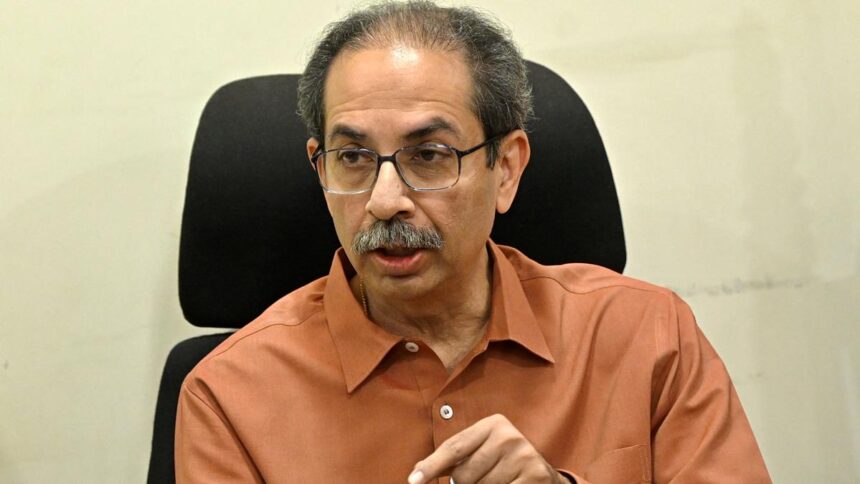
Shiv Sena (UBT) president Uddhav Thackeray has strongly criticized the ruling Bharatiya Janata Party, accusing it of performing a “drama of patriotism” while silencing real voices of concern in the country. His comments came in response to the recent arrest of Leh-based climate activist and education reformer Sonam Wangchuk.
Speaking to reporters on Saturday, September 27, 2025, Thackeray questioned the motivations behind Wangchuk’s detention, arguing that the BJP’s actions contradict its repeated claims of being a nationalist party. He also issued a controversial appeal to Indian citizens to boycott the high-stakes Asia Cup cricket final between India and Pakistan, scheduled to take place on September 28.
Questioning the Arrest of Sonam Wangchuk
Thackeray questioned why a respected figure like Sonam Wangchuk, known internationally for his work in sustainable development and education in the Himalayan region, would be treated as a threat to national security.
He said the government appeared more concerned about suppressing dissent than addressing real issues on the ground, particularly in sensitive border areas like Ladakh, where Wangchuk is based. Wangchuk has been vocal about climate change, water rights, and the fragile ecology of the region, and has reportedly been involved in peaceful protests and public awareness campaigns in recent months.
The Shiv Sena (UBT) chief implied that Wangchuk’s activism may have made the ruling establishment uncomfortable, especially with growing concerns about ecological degradation and infrastructure projects in Ladakh. He pointed out that instead of listening to ground-level voices, the government was choosing to intimidate or silence them.
“Drama of Patriotism”: Thackeray’s Sharp Attack on BJP
In one of his strongest statements yet, Thackeray accused the BJP of merely performing theatrics under the name of patriotism. He said that the ruling party had become adept at using nationalistic sentiment for political gain while failing to protect democratic values and civil rights.
He stated that the real test of patriotism is how a country treats its citizens—particularly those who raise questions about governance, the environment, and people’s rights. Arresting someone like Sonam Wangchuk, he argued, is not a sign of strength but of insecurity.
Thackeray added that a government that brands activists and thinkers as “anti-national” simply because they don’t fall in line with the dominant narrative is playing with the foundations of the Constitution.
Call for Asia Cup Boycott Sparks Debate
Thackeray’s remarks took a political turn when he called on “true patriots” to boycott the Asia Cup final match between India and Pakistan. Scheduled for Sunday, September 28, the match is one of the most anticipated sporting events of the year, expected to draw millions of viewers.
Thackeray linked the boycott appeal directly to the political situation, suggesting that watching the match would be inappropriate at a time when, according to him, the government is punishing those who are truly working for the country’s welfare.
His call has received mixed reactions. While some political supporters and activists echoed his concerns over Wangchuk’s arrest, others accused him of using cricket—often seen as a unifying force in India—for political point-scoring. Sports fans and commentators have argued that the cricket field should not be drawn into political controversies.
Background on Sonam Wangchuk
Sonam Wangchuk is a renowned educationist, engineer, and environmentalist based in Ladakh. He gained international recognition through his work with alternative education models for children in remote Himalayan villages and his advocacy for sustainable technologies, such as ice stupas and passive solar buildings.
Wangchuk’s work inspired a key character in a popular Bollywood film, which brought him further into the public eye. In recent years, he has been actively involved in speaking out about environmental concerns in Ladakh, especially following the abrogation of Article 370 and the reorganization of Jammu and Kashmir in 2019.
His recent activism includes raising alarm over large-scale tourism and construction activities in ecologically fragile zones, and demanding constitutional protections under the Sixth Schedule for Ladakh’s tribal and environmental interests.
It is not yet clear under what specific charges Wangchuk was arrested, but early reports suggest it may be linked to allegations of public order disruption or violating prohibitory orders during protests.
Opposition Steps Up Criticism
Thackeray’s remarks come amid a broader wave of criticism from opposition parties who have accused the central government of overreach and authoritarianism. Several leaders from the Congress, Aam Aadmi Party, and Left parties have expressed concern over shrinking space for dissent in the country.
In particular, opposition leaders have called for more transparency in how activists and public figures are being treated in regions like Kashmir and Ladakh, where civil liberties have often been under scrutiny.
The demand for Wangchuk’s release and protection has started gaining momentum on social media, with hashtags calling for justice and urging authorities to engage with, rather than suppress, voices advocating for environmental and regional rights.
What Lies Ahead
The controversy surrounding Wangchuk’s arrest, coupled with Thackeray’s strong criticism, is expected to fuel ongoing political debates about civil liberties, free speech, and the line between patriotism and political theatre.
As the Asia Cup final draws near, it remains to be seen whether Thackeray’s boycott appeal will resonate widely or fade under the excitement of a major cricket event. What is certain, however, is that the conversation around Wangchuk’s arrest is far from over—and could become a flashpoint in the upcoming political season.