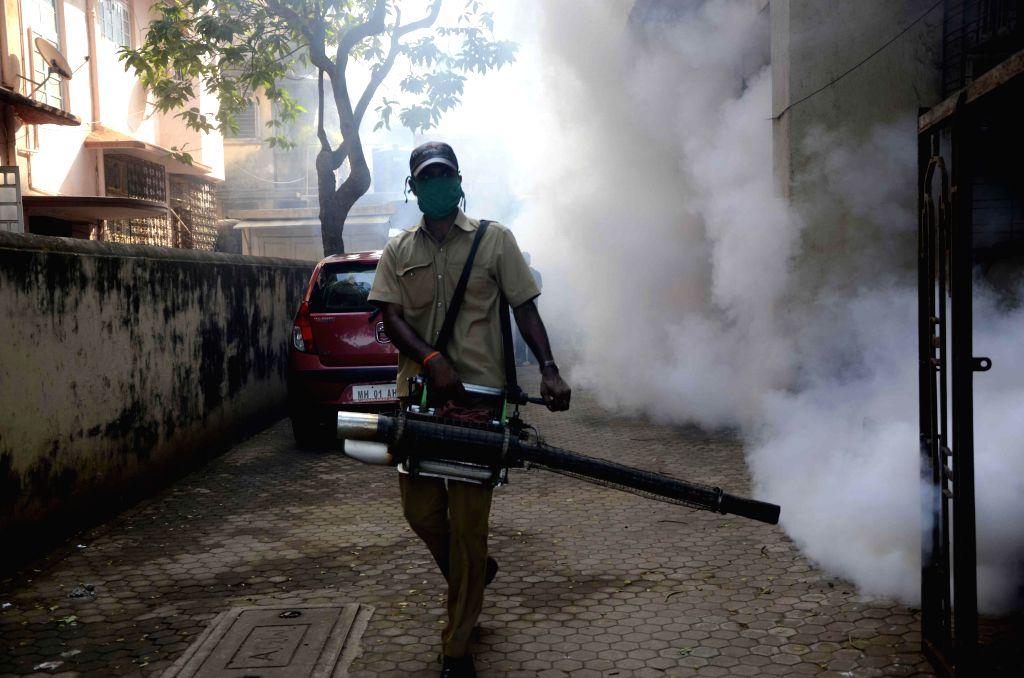
Mumbai is witnessing a renewed monsoon health concern as malaria cases in the city crossed the 3,000 mark between June 1 and August 15, 2026. According to data from the Brihanmumbai Municipal Corporation (BMC), the city recorded 3,177 malaria cases during the period, compared with 2,852 cases during the corresponding period last year. The figures represent an increase of about 11.4 per cent and have prompted authorities to intensify surveillance and mosquito-control measures.
Malaria Remains a Major Concern
The rise in malaria cases comes during Mumbai’s peak monsoon period, when heavy rainfall and water accumulation can create favourable breeding conditions for mosquitoes. Of the 3,177 cases recorded between June and August 15, 655 were reported in June, 1,380 in July and another 1,142 during the first 15 days of August, showing a substantial increase as the monsoon progressed.
While malaria cases have increased, the city’s dengue numbers have moved in the opposite direction. Mumbai recorded 1,079 dengue cases during the same June 1-August 15 period, down from 1,217 cases during the corresponding period in 2025. Chikungunya cases also declined sharply, with 33 cases reported compared with 279 during the same period last year.
H1N1 Cases Also Rise
The BMC data shows that malaria is not the only infection being closely monitored. Mumbai recorded 309 H1N1 cases between June 1 and August 15, compared with 72 cases during the same period last year. This represents a rise of more than four times and has added to concerns surrounding seasonal illnesses in the city.
Other diseases have shown declines. Leptospirosis cases fell to 189 from 322, while gastroenteritis cases declined to 1,752 from 2,274. COVID-19 cases also dropped significantly, from 668 last year to 124 during the corresponding period this year.
BMC Steps Up Surveillance
The civic administration has intensified efforts to identify mosquito-breeding locations and monitor people at risk. During the first half of August, BMC teams surveyed more than 5.6 lakh houses, screened over 26.8 lakh people and collected more than 32,000 blood samples. Health teams also organised medical camps and provided preventive treatment for leptospirosis to more than 10,000 people.
Authorities have also been inspecting potential mosquito-breeding sites across the city. The measures include surveillance, source reduction, mosquito-control operations and public awareness campaigns aimed at preventing the spread of vector-borne diseases.
Monsoon Precautions Urged
Health officials are encouraging residents to take basic precautions during the rainy season, particularly by preventing stagnant water from collecting around homes, offices and residential buildings. Water stored in containers, flowerpots, discarded tyres and other outdoor objects can become potential mosquito-breeding sites.
Residents are also advised to use mosquito repellents, wear protective clothing and seek medical attention if they develop persistent fever or other symptoms associated with malaria or dengue.
With Mumbai continuing to experience monsoon conditions, civic authorities are expected to maintain surveillance and mosquito-control operations. The latest figures underline the importance of early detection and preventive measures as the city moves through the remaining weeks of the rainy season.