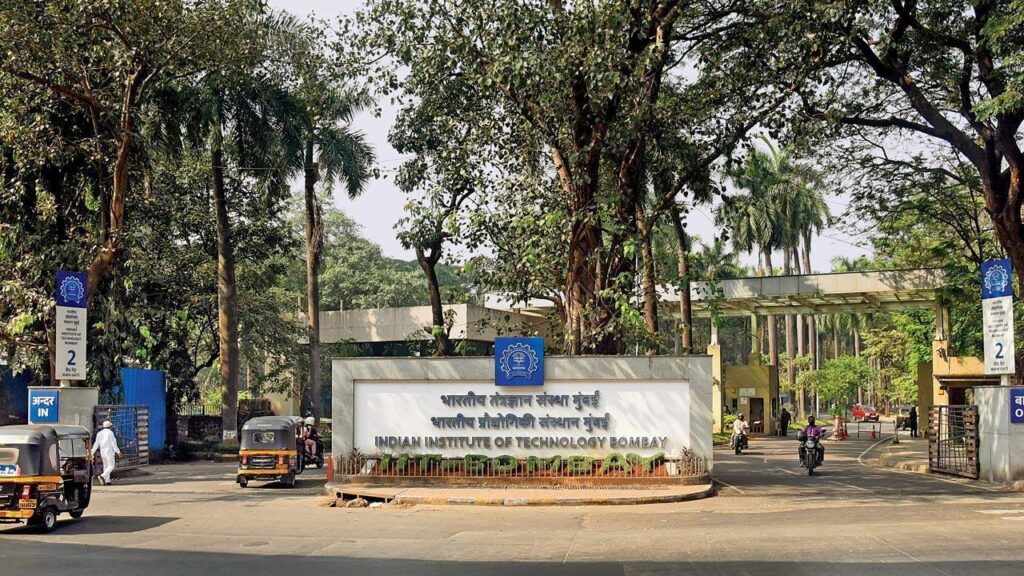
The Brihanmumbai Municipal Corporation (BMC) has announced that it will engage experts from the Indian Institute of Technology Bombay (IIT Bombay) to conduct detailed structural safety audits of four railway foot over bridges (FOBs) that have been identified as potentially unsafe. The initiative is part of the civic body’s ongoing efforts to strengthen public infrastructure and improve commuter safety across Mumbai’s busy suburban railway network.
Mumbai’s suburban railway system serves millions of passengers every day, making foot over bridges a critical part of the city’s transport infrastructure. These bridges help commuters safely cross railway tracks and connect station platforms with surrounding roads. Given their heavy daily usage and continuous exposure to harsh weather conditions, regular inspections are essential to ensure structural stability and prevent accidents.
According to BMC officials, the selected bridges have shown signs that require comprehensive engineering assessments. IIT Bombay, one of India’s leading engineering institutions, has been entrusted with the responsibility of carrying out scientific structural evaluations using advanced inspection techniques. The audits will examine the condition of bridge foundations, steel components, concrete structures, joints, staircases, and load-bearing elements.
The expert team is expected to use a combination of visual inspections and non-destructive testing methods to identify hidden defects that may not be visible during routine maintenance. Engineers will assess corrosion levels, material fatigue, cracks, vibration patterns, and the long-term durability of structural components. Based on their findings, they will recommend whether the bridges require repairs, strengthening, partial reconstruction, or complete replacement.
The decision to involve IIT Bombay reflects the BMC’s focus on adopting a more scientific and technology-driven approach to infrastructure maintenance. Independent technical evaluations provide greater accuracy in assessing public structures while ensuring that repair decisions are based on detailed engineering evidence rather than only visual observations.
The structural audits have gained additional importance following several infrastructure-related incidents reported in various parts of the country over recent years. Authorities have emphasized that preventive maintenance is far more effective than emergency repairs after structural failures occur. Regular safety assessments can significantly reduce risks while extending the operational life of public infrastructure.
Railway officials and the BMC are expected to coordinate closely during the inspection process to minimize inconvenience for commuters. In cases where detailed inspections require temporary restrictions, authorities plan to implement traffic management measures and provide alternate pedestrian routes to ensure public safety. Officials have assured passengers that any necessary repair work will be scheduled carefully to minimize disruption to daily travel.
Urban infrastructure experts have welcomed the initiative, stating that collaboration between civic authorities and premier engineering institutions can improve the quality of infrastructure management. They note that modern monitoring technologies, including structural health sensors, drone-based inspections, and digital modelling, can help identify problems at an early stage before they become serious safety hazards.
Apart from the four identified bridges, the BMC is also expected to continue periodic inspections of other foot over bridges and public structures across Mumbai. The city experiences heavy rainfall during the monsoon season, which can accelerate corrosion and structural deterioration, particularly in ageing infrastructure. Regular maintenance and timely rehabilitation remain essential for ensuring commuter safety.
The IIT Bombay audit is expected to provide a detailed roadmap for future repairs and modernization efforts. Once the technical reports are submitted, the BMC will prioritize recommended works based on urgency and allocate resources accordingly. The initiative demonstrates the city’s commitment to strengthening infrastructure resilience while ensuring that millions of daily commuters can travel safely through Mumbai’s extensive suburban railway network.