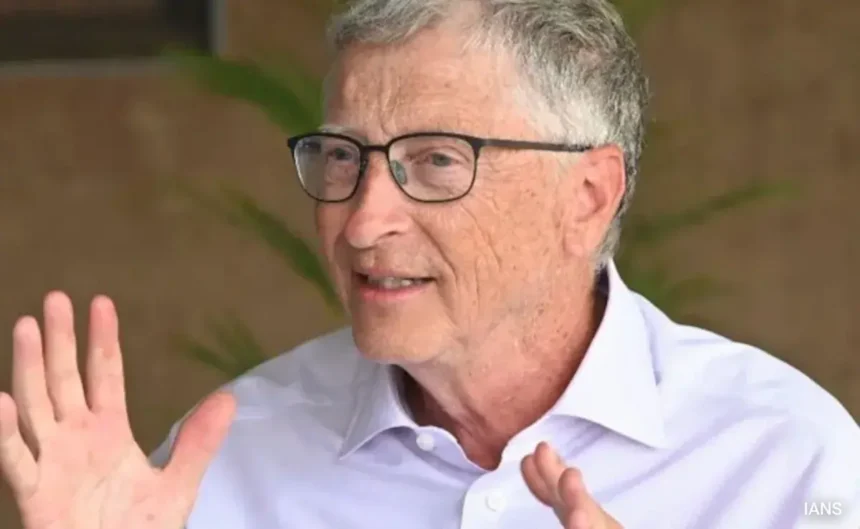
The upcoming visit of Bill Gates to Mumbai has generated significant interest across policy circles, health experts, and the general public. The tech pioneer and philanthropist is scheduled to sign an important memorandum of understanding with the Maharashtra government while also reviewing ongoing public health initiatives, especially malaria eradication efforts. The visit comes at a time when global attention around Gates has increased due to recent controversies linked to the release of records connected to Jeffrey Epstein by the US Department of Justice.
Despite the media spotlight, the focus of this trip appears firmly rooted in development collaboration, particularly in healthcare innovation, agriculture sustainability, and urban disease control initiatives.
Why Bill Gates Is Visiting Mumbai
The primary goal of the visit is to strengthen partnerships between philanthropic organizations, technology experts, and government agencies. Gates, known globally as the co-founder of Microsoft, has increasingly shifted his focus toward global health, climate resilience, and poverty alleviation through the Bill and Melinda Gates Foundation.
The memorandum of understanding expected during this trip is likely to cover:
Healthcare innovation
Efforts may include expanding digital health infrastructure, improving disease surveillance, and supporting vaccination programs. Maharashtra has been exploring technological tools to make healthcare delivery more efficient, particularly in densely populated urban areas.
Agricultural development
Agriculture remains central to India’s economic and food security landscape. The agreement could include research collaborations, sustainable farming practices, water management strategies, and technological support for farmers.
Technology-driven governance
Artificial intelligence and data-driven governance have been recurring themes in discussions between Gates and Indian policymakers. These tools can help track disease outbreaks, manage public infrastructure, and improve service delivery.
Focus on Malaria Eradication Efforts
A key highlight of the visit will be Gates’ review of Mumbai’s malaria control programme. The city has made steady progress in tackling mosquito-borne diseases, but challenges remain due to climate conditions, population density, and urban infrastructure pressures.
Visit to Banganga health post
Gates is expected to visit the health post located at Banganga in Walkeshwar. This facility functions as a primary healthcare centre offering:
- Vaccination services
- Basic medical care for underserved populations
- Malaria monitoring and early detection
- Field coordination for pest control activities
Officials plan to present detailed insights into how local teams identify mosquito breeding sites and implement preventive measures.
Understanding on-ground public health work
Gates has consistently emphasized data-backed health strategies. During the visit, he is expected to interact with field workers, observe treatment protocols, and review surveillance methods that help detect outbreaks early.
Role of Local Authorities
Representatives from the Brihanmumbai Municipal Corporation will accompany Gates during parts of the visit. The civic body plays a crucial role in Mumbai’s health management, especially in densely populated areas where sanitation, waste management, and vector control are ongoing challenges.
Health officials say the visit offers an opportunity to showcase:
- Community health outreach models
- Door-to-door mosquito surveillance methods
- Use of data and technology in disease tracking
- Public awareness campaigns in vulnerable areas
Such collaborations often lead to new funding opportunities, knowledge exchange, and global best-practice adoption.
Meetings With Government Leaders
The itinerary includes a stop at Raj Bhavan, where Gates is expected to meet senior state leaders. These meetings typically focus on long-term development planning and international cooperation.
This visit follows earlier discussions Gates held with Devendra Fadnavis during a previous trip. Those conversations reportedly explored how artificial intelligence could support governance, particularly in healthcare infrastructure, agriculture productivity, and urban development planning.
Such dialogues often translate into pilot projects that later expand nationwide.
Public Health Beyond Malaria
While malaria is a major focus, Gates’ broader interest in health systems means discussions may also include:
Disease surveillance systems
Technology-enabled tracking can help identify outbreaks faster and improve response times.
Preventive healthcare
Early intervention strategies reduce healthcare costs and improve long-term public health outcomes.
Community engagement
Public participation in sanitation, vaccination, and preventive measures remains essential for sustainable health improvements.
Experts believe global philanthropic support can accelerate progress in these areas.
Previous Visit and Cultural Connect
Gates’ earlier Mumbai trip in 2025 generated significant public attention. A viral video showed him enjoying street food with cricket legend Sachin Tendulkar, symbolizing a blend of global leadership and local cultural connection.
Beyond the social media buzz, that visit included:
- Meetings with policymakers and business leaders
- Discussions on technological partnerships
- Celebrations marking 25 years of philanthropic work in India
Such engagements have helped sustain long-term collaborations between global foundations and Indian institutions.
Why This Visit Matters
India continues to be a priority region for global health initiatives due to its population size, diverse climate conditions, and rapid urbanization. Mumbai, in particular, serves as a testing ground for large-scale public health strategies.
Potential outcomes of the visit include:
- Increased funding for health programmes
- Technology partnerships in agriculture and healthcare
- Knowledge sharing between global experts and local authorities
- Strengthened international development cooperation
These collaborations often have ripple effects beyond one city, influencing national policies and global research efforts.
Public Attention Amid Controversy
The visit also comes during heightened media attention around Gates following recent document releases connected to Jeffrey Epstein. While there has been intense public discussion, Gates has continued his philanthropic engagements globally.
Observers note that development initiatives often proceed independently of media controversies, especially when they involve public health, agriculture, and humanitarian goals.
What Residents Can Expect
For Mumbai residents, the visit may involve temporary security arrangements around official venues. However, the broader impact is expected to be long-term, particularly if new health or agriculture projects are launched.
Public health experts are optimistic that such visits bring:
- Increased visibility to urban health challenges
- Additional resources for disease prevention
- Greater global collaboration in research and innovation
Looking Ahead
As global challenges such as climate change, emerging diseases, and food security intensify, partnerships between governments, private organizations, and philanthropic foundations are becoming more crucial.
Bill Gates’ visit highlights how technology, policy, and philanthropy can intersect to address complex issues. Whether through malaria control, digital healthcare, or sustainable agriculture, these collaborations aim to deliver practical solutions that benefit millions.
The coming weeks will reveal the concrete outcomes of the agreements signed during this visit, but the broader message is clear: global cooperation remains key to tackling health and development challenges in rapidly growing urban centres like Mumbai.