Kunal Kamra, Sushma Andhare Get New Hearing Date in Eknath Shinde Privilege Case
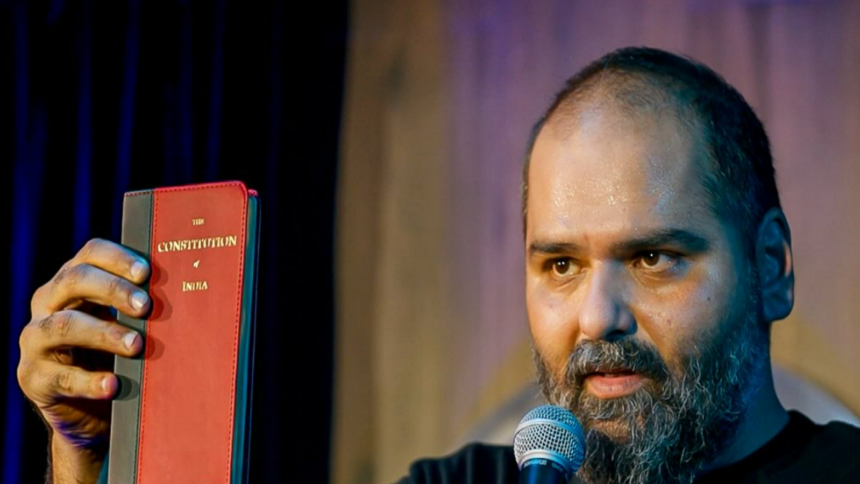
The ongoing political and legal controversy involving stand-up comedian Kunal Kamra and Shiv Sena (UBT) leader Sushma Andhare has taken another turn. The privileges committee of the Maharashtra Legislative Council has agreed to postpone their scheduled hearing after both requested more time. The two have now been asked to appear before the committee on February 17.
This case revolves around alleged derogatory remarks about Maharashtra deputy chief minister Eknath Shinde. While the matter has political undertones, it has also sparked wider conversations about free speech, satire and political sensitivity in public discourse.
Why the hearing was postponed
Kunal Kamra and Sushma Andhare were originally expected to appear before the privileges committee on Thursday. However, both communicated their inability to attend the hearing.
Sushma Andhare cited her busy schedule related to campaigning for upcoming zilla parishad elections as the reason for her absence. Kunal Kamra, on the other hand, informed authorities that he would not be able to attend personally and requested that his legal counsel represent him instead.
The committee accepted their requests and issued a new date for the hearing. Officials clarified that procedures require formal permission if a person wishes to be represented by legal counsel rather than appearing in person.
What the privilege case is about
The controversy dates back to March 2025 when BJP legislator Pravin Darekar filed a breach of privilege motion against both Kamra and Andhare.
The complaint alleges that they used derogatory language while referring to deputy chief minister Eknath Shinde. The focus of the case is a comic song released online by Kamra during the Maharashtra legislature’s budget session.
In that song, Kamra indirectly referred to Shinde as a traitor. Because the content was published during an active legislative session, some lawmakers argued it constituted a breach of the House’s privilege and dignity.
Understanding breach of privilege in legislatures
A breach of privilege typically refers to actions considered disrespectful or obstructive to legislative functioning or to members of the legislature. These provisions exist to protect the dignity, authority and independence of legislative institutions.
However, such cases often generate debate, especially when they intersect with satire, political criticism or freedom of expression. Critics sometimes argue that privilege motions can be used to discourage dissent or criticism, while supporters say they are necessary to maintain decorum.
Committee procedure and next steps
Prasad Lad, who heads the privileges committee, explained that individuals summoned can be given up to three opportunities to appear before the panel.
If those chances are not used, the committee can proceed to deliver its verdict based on available evidence and submissions. This means the February 17 hearing could be an important step in determining how the matter progresses.
Lad also said Kamra must formally request permission if he wants his counsel to represent him instead of attending personally. The committee will decide whether to allow that request.
Security concerns raised by Kamra
During discussions around the hearing, Kamra reportedly raised concerns about personal security. Responding to this, committee officials said adequate security arrangements would be provided if required.
These arrangements could include protection from the airport to the state legislature building to ensure his safe appearance before the panel.
Political reactions and broader implications
Cases like this often attract strong political reactions. Supporters of strict legislative privilege enforcement argue that public representatives deserve respect and that defamatory or insulting remarks should not go unchecked.
Others believe public figures, including politicians, should expect criticism, satire and commentary, especially in democratic settings where freedom of speech is valued.
This particular controversy has therefore become part of a larger national discussion about the boundaries between political criticism, comedy and institutional respect.
Another related privilege case
The privileges committee is also handling another separate case involving Suryakant More, an office-bearer of the NCP (SP). His hearing has been rescheduled to February 16.
More is accused of making derogatory remarks about the legislative council and its chairperson, Ram Shinde. This indicates that privilege-related issues are currently a significant focus for the legislative council.
Comedy, politics and public reaction
Stand-up comedy in India has increasingly intersected with politics in recent years. Comedians often use satire to comment on governance, leadership and public policy. While many audiences appreciate this approach, it sometimes leads to political controversy.
Kamra himself has previously been involved in public debates over political satire, making this case part of a continuing conversation about the role of comedy in political expression.
Such controversies also highlight how social media and online content amplify reactions quickly. A single video, song or remark can reach millions and trigger political or legal responses within hours.
Freedom of expression versus political sensitivity
This case reflects an ongoing tension in democratic societies. On one hand, freedom of speech allows citizens and artists to critique public figures. On the other, institutions aim to preserve decorum and respect for elected representatives.
Finding a balance between these two principles remains challenging. Legal experts often stress the need for clear guidelines so that both free expression and institutional dignity are protected.
What to expect next
The February 17 hearing will likely clarify how the privileges committee intends to proceed. Possible outcomes could range from warnings and recommendations to more formal actions, depending on findings.
Observers will also watch whether Kamra appears personally, sends legal representation or seeks further time.
Meanwhile, the case continues to attract public interest because it touches on politics, comedy, legal procedure and democratic debate all at once.
As the situation unfolds, it remains a reminder of how quickly public commentary can move from entertainment into serious political and legal territory.