Mumbai Faces Another Day of Poor Air Quality
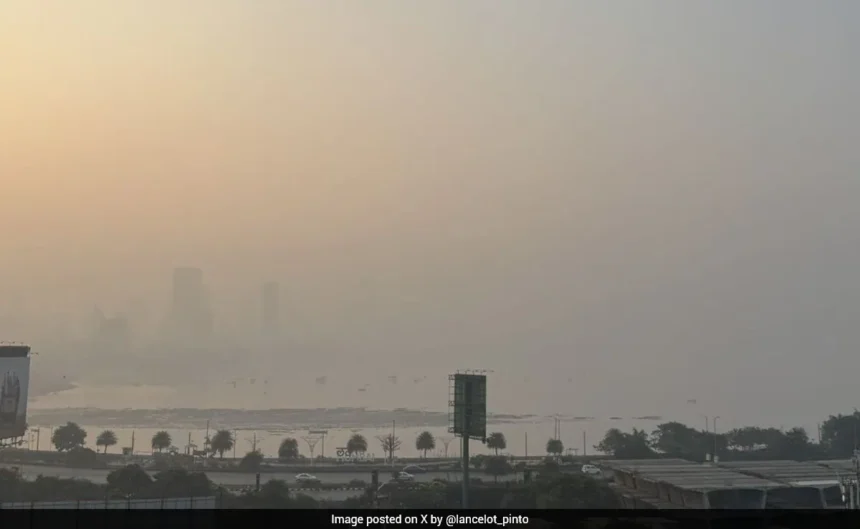
Mumbai is once again enveloped in a thick layer of smog, sending its Air Quality Index (AQI) into the unhealthy zone. On Monday, the city recorded an AQI of 141, classified as “unhealthy for sensitive groups,” according to the Central Pollution Control Board (CPCB). Nearly a month ago, on January 4, the city had hit the same level, and despite repeated warnings from the Bombay High Court, pollution control measures have had limited impact.
Residents are noticing the effects. Coughs, allergies, and respiratory issues have surged, while vulnerable groups—people with asthma, lung conditions, or heart problems—face heightened health risks.
Air Pollution Hotspots Across the City
CPCB data revealed several areas of concern, with PM10 particles identified as the primary pollutant at 23 of the 28 monitoring stations.
- Chhatrapati Shivaji Maharaj International Airport (CSMIA) reported the worst air quality at 217, falling in the “poor” category.
- Powai recorded the lowest AQI at 97, still close to the moderate threshold.
- Byculla reached 171, Siddharth Nagar in Worli 168, Ghatkopar 166, Navy Nagar 155, Deonar 154, Sion 145, Mulund West 148, and Borivali East 133.
Other areas, including Sion, Chembur, Wadala, and Sewri, have been heavily affected by the persistent haze.
Why the Smog is Getting Worse
Environmentalists point to secondary particulate matter as a major contributor. These fine particles are formed when nitrogen oxides and hydrocarbons react in the presence of sunlight, creating a chemical haze.
Calm wind conditions in Mumbai have worsened the situation, preventing pollutants from dispersing quickly. The combination of vehicle emissions, industrial output, and construction dust compounds the problem, keeping the city under a gray blanket.
Health Impacts of the Pollution
Doctors and health experts warn that prolonged exposure to high AQI levels can lead to:
- Respiratory issues like coughing, wheezing, and shortness of breath
- Exacerbation of asthma and chronic lung diseases
- Increased risk of heart attacks and blood pressure spikes in vulnerable individuals
- Eye irritation and allergies
Sensitive groups, including children and the elderly, are advised to limit outdoor activity, wear masks, and use air purifiers indoors where possible.
Efforts to Control Pollution
The Brihanmumbai Municipal Corporation (BMC) has taken several steps to control pollution, including regulating construction dust, monitoring industrial emissions, and promoting public awareness. However, experts say these measures have had limited effect, as pollution sources remain widespread and weather conditions trap pollutants in the city.
The Bombay High Court has repeatedly asked authorities to take stricter measures, but the smog’s persistence indicates that a more comprehensive approach is needed.
How the AQI is Measured
The Air Quality Index is calculated based on the concentration of various pollutants, including:
- PM10 and PM2.5 (particulate matter)
- Nitrogen dioxide (NO2)
- Sulfur dioxide (SO2)
- Carbon monoxide (CO)
- Ozone (O3)
An AQI below 50 is considered good, 51–100 satisfactory, 101–200 moderate, 201–300 poor, 301–400 very poor, and above 400 severe. At 141, Mumbai’s current air quality falls into the “unhealthy for sensitive groups” category, indicating potential health risks for vulnerable populations.
The Role of Traffic and Industry
Mumbai’s dense population and high vehicle density contribute heavily to pollution. Construction activities and industrial emissions add to particulate matter in the air. Environmentalists stress the need for cleaner fuels, stricter vehicle emission standards, and a crackdown on unauthorized construction and industrial discharge.
Additionally, reducing traffic congestion and encouraging public transport can help lower vehicle emissions, which are a leading cause of PM10 and PM2.5 particles in urban areas.
Temporary Relief Measures for Citizens
While long-term solutions are being debated, residents can take short-term steps to protect their health:
- Limit outdoor activity, especially for children, the elderly, and people with respiratory conditions
- Use N95 or similar masks when stepping outside
- Keep windows and doors closed during peak pollution hours
- Use air purifiers indoors to reduce particulate matter
- Stay hydrated and maintain a healthy diet to support lung health
Looking Ahead
Experts warn that without aggressive measures, Mumbai’s air quality may continue to fluctuate in the unhealthy range during winter months. Secondary particulate matter, vehicle emissions, and calm wind conditions are expected to keep the city in a pollution cycle until weather conditions improve.
Authorities are urged to consider long-term strategies, including:
- Expanding green zones and urban tree coverage
- Strict monitoring of industrial emissions
- Promoting electric vehicles and reducing reliance on diesel and petrol cars
- Implementing stricter construction dust control measures
Mumbai’s return to an AQI of 141 serves as a reminder that air pollution remains a serious challenge for the city. Dense smog not only affects daily life but also poses real health risks, particularly for sensitive groups.
While authorities continue monitoring and taking action, residents are advised to stay informed, take protective measures, and reduce exposure whenever possible. Comprehensive planning, stricter enforcement, and public cooperation are essential to ensure that Mumbai can breathe cleaner air in the years ahead.