The Mumbai Fire Department has intensified safety audits in old residential buildings across the city to identify the potential fire hazards and improve preparedness in the densely populated neighbourhoods. The initiative comes amid growing concerns over aging infrastructure, narrow access lanes, and outdated electrical systems that increase fire risks, particularly in older housing societies.
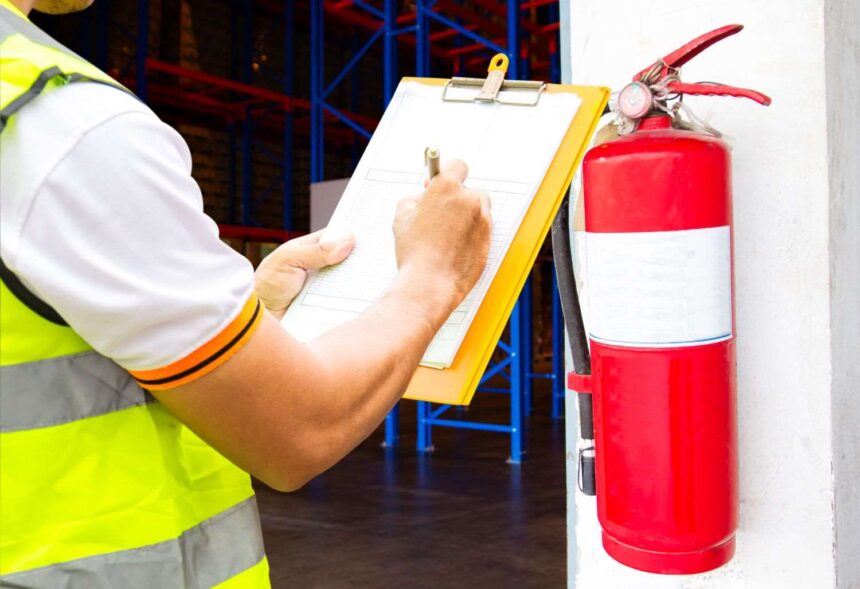
Fire officials said the audits are carried out in several decades-old buildings, especially constructed before modern fire safety norms were brought into effect. Many of these structures still lack basic features of safety, such as functional fire extinguishers, smoke detectors, emergency exits, and proper fire escape staircases. The inspections are part of a preventive approach aimed at reducing the chances of major fire incidents and ensuring quicker response in case of an emergency.
The firemen are checking electrical wirings, gas cylinder placements, storage of combustible materials, and accesses during the audits to allow fire engines to pass. The buildings in congested areas are being given more attention since narrow roads with illegal parking hamper the passage of the emergency vehicle. They said delayed access to the sites was a critical factor in several incidents in the past resulting in larger damages or risks to lives.
It has also asked the residents of old housing societies to cooperate with the fire teams and take the findings seriously. Advisory notes by fire officers are being issued to building managements, pointing out the shortcomings in safety measures and recommended corrective steps. These include: replacing old wiring, installation of fire alarms, keeping staircases free and holding mock drills regularly. If grave lapses are observed, notices may be issued for compliance within a stipulated timeframe.
A senior fire department official explained that though enforcement is important, awareness among residents too is equally essential. “Many fires spread because people enter a state of panic or are ignorant of basic steps to handle a situation of fire. Our audits also focus on educating residents about evacuation procedure and actions that need to be taken as first response,” the official said. As part of the drive, demonstrations on conducting fire extinguishers and handling small fires are being conducted in select buildings.
This, added to aging electrical infrastructure, heightens the risk of short circuits. Fire officials say that with all the ways electricity is used on winter evenings-heating appliances, decorative lights, and just spending more time indoors-the city’s electrical setup increasingly is at risk. “Overloading the sockets should be avoided. People should inspect their appliances on a routine basis and turn off those which are not in use, especially during nighttimes.
Housing societies have responded in a mixed way. While many residents welcome the inspections as a necessary safety step, some society representatives expressed apprehension about the cost of upgrades suggested by the fire department. Experts, however, stress that investing in preventive safety measures is much cheaper than dealing with the aftermath of a major fire incident, which may result in loss of life and property.
Other urban safety experts, too, have underlined that delays in redevelopments accentuate the problem. Large populations continue to reside in many old buildings with structural and safety vulnerabilities. Until redevelopment or significant retrofitting of these structures happens, regular fire audits are one of the few effective tools to minimize risks.
The fire department intends to continue the audit drive over the next few months, covering several residential clusters in the city. Officials said data collected from the inspections would help pinpoint high-risk zones and prioritize future interventions on safety. The coordination with civic authorities and housing federations is also being strengthened to ensure that the recommendations are implemented effectively. The fire department’s proactive audits have underlined prevention and preparedness as necessary while striking the right balance between heritage housing and modern safety requirements in Mumbai. Firefighting authorities also said that fire safety is everybody’s responsibility and greater coordination between residents, building managements, and civic bodies is necessary for safer living in the older residential areas of Mumbai.