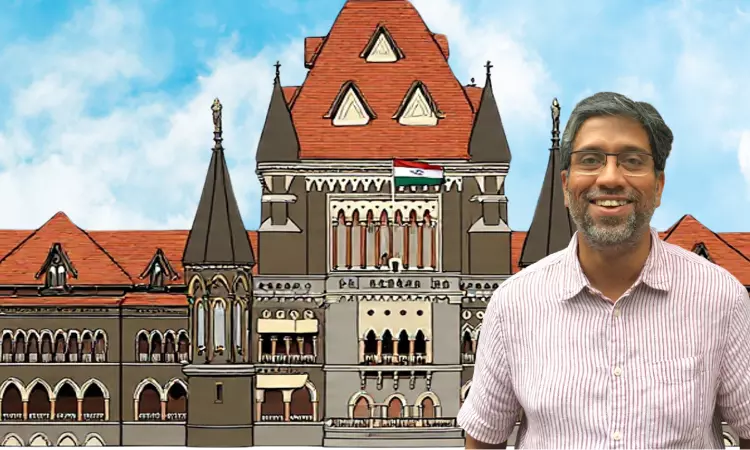
In a major turn of events in the Elgar Parishad–Bhima Koregaon case, the Bombay High Court has granted bail to former Delhi University professor Hany Babu Tharayil, who has been imprisoned for over five years without trial. The order marks a big moment in one of India’s most controversial and closely watched cases involving allegations of Maoist links and conspiracy.
The division bench observed that prolonged imprisonment without substantive progress in trial violates the fundamental right to life and liberty under Article 21 of the Constitution. Despite the gravity of the allegations made by investigating agencies, the prosecution had not been able to establish sufficient grounds to justify further incarceration of Babu pending completion of his trial.
Professor Babu, an academic noted for his scholarship in linguistics and social justice issues, was arrested in July 2020 by the National Investigation Agency, accusing him of being part of a larger conspiracy related to the 2017 Elgar Parishad event and subsequent violence at Bhima Koregaon. The NIA claimed that Babu was an “active member of the banned CPI (Maoist)” and had facilitated the recruitment and dissemination of Maoist ideology.
However, the court said all these documents presented as evidence material mainly consisted of digital records and attributed communication links that have always been disputed for their authenticity. A few others in this broad case have also contended that electronic evidence has been planted through hacking, a suspicion supported earlier by independent forensic analyses.
In the bail hearings, counsel for Babu pointed out that the trial had not advanced beyond the charges stage, with more than 200 witnesses still to be examined. At this rate, the court conceded, the trial could continue for many more years, amounting in effect to punitive detention before conviction.
The High Court observed that an accused cannot be denied bail on grounds of seriousness of allegations alone if the procedural delays and lack of trial threaten the constitutional safeguards. In granting him bail, conditions put forward by the court included surrendering his passport, regular attendance at the local police station, and restrictions on interacting with the co-accused or tampering with evidence.
Civil rights groups have welcomed the decision, terming it a long-overdue correction. The supporters of Babu have consistently maintained that the charges were politically motivated and aimed at silencing dissent. The Elgar Parishad case has now become symbolic of the larger debate on State overreach, rights of activists, and anti-terror laws like the UAPA.
On the other hand, government representatives and sections of the prosecution continue to assert that Babu and others had a role in instigating violence and supporting banned extremist organisations. They say national security concerns must override individual hardship in these cases.
The case has also put the spotlight on the larger issue of delays within India’s criminal justice system, particularly under stringent laws like the UAPA, where bail is notoriously hard to come by. According to legal experts, unless the courts begin to enforce constitutional protections, long pre-trial detentions are in danger of becoming the rule rather than the exception.
The order will likely open the way to Babu’s release in the coming days, pending verification of the bail conditions. His family welcomed the court’s decision, terming it a “ray of hope” after years of uncertainty, health concerns, and numerous court battles.
The Elgar Parishad case itself is still ongoing, with several other accused, including activists, lawyers, and academics, still in prison. The pace of the proceedings, the authenticity of digital evidence, and the allegations of targeting dissenters are contentious. According to this bail order, some legal observers feel that more courts might start reviewing similar long-standing detentions as delays and concerns over constitutional rights mount. But as the debate about civil liberties versus national security rages on, the High Court judgment brought into sharp focus one important rule: not only must justice be done but it must be seen to be done — and long-term detention without trial cannot serve as an acceptable substitute for due process.