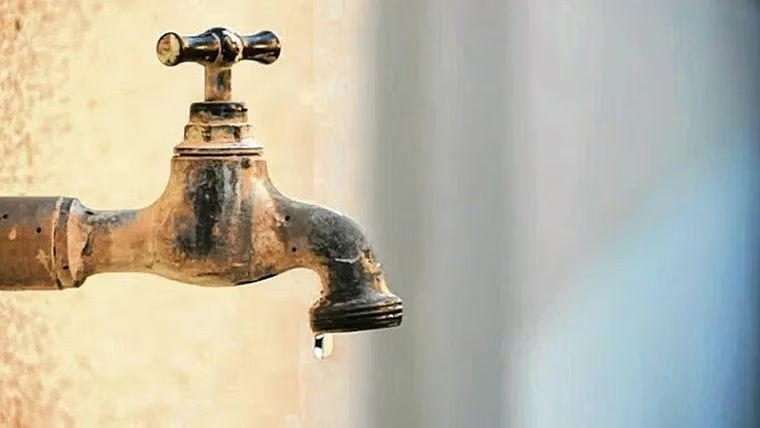
Next week, Mumbai will face a major disruption in its water supply as the BMC has announced a 30-hour planned shutdown in 11 crucial wards. The disruption, being implemented as a part of infrastructure upgrade work related to the Amar Mahal water tunnel and pipeline cross-connection, would affect lakhs of residents. The bigger thrust as the city gears up for the disruption is on preparedness issues, aged infrastructure, and whether big shutdowns could be better timed.
Why the Shutdown Is Necessary
The BMC officials maintained that the shutdown was part of the critical phase of the Amar Mahal Tunnel Project, which is one of Mumbai’s largest water infrastructure upgrades in the recent past. The project involves upgrading the flow, distribution, and redundancy of the city’s water network through replacement of old pipelines and adding stronger underground connections.
During this phase, engineers will cross-connect a gigantic 1,350 mm diameter pipeline, relocate valves, and insert new sections of tunnel into the existing supply grid. These operations call for the complete shutdown of water flow to prevent pressure damage and ensure that work personnel can install the new components safely and without interruption.
The civic body has insisted that such shutdowns, though frustrating, are necessary for long-term betterment to water resilience in Mumbai amid growing demand.
Areas That Will Be Affected
The 30-hour shutdown will hit many populous wards in the eastern and western suburbs. The affected areas include:
Kurla
Ghatkopar
Chembur
Sion
Matunga (East)
Wadala
Dadar (East)
Parts of Byculla, Parel, and King’s Circle
These areas depend on linked pipelines from Amar Mahal’s distribution network, which is currently under phased rehabilitation.
BMC officials have appealed to the residents in these wards to store enough water in advance and use it judiciously during the shutdown window. Arrangements for tanker supply may be made only for hospitals and other essential institutions.
Citizens Brace for Disruption
The announcement has brought mixed reactions among the residents of these areas. While many understand the need for upgrading water infrastructure, others are apprehensive about the chaos such a long closure may create for families, housing societies without large storage capacity, and small businesses dependent on access to water.
Local shops, laundries, and food outlets have already started making changes in their schedules. Many housing societies have issued internal notices suggesting households restrict activities that involve high usage of water, such as washing cars or doing deep cleaning, in the days leading up to the shutdown.
Concerns over timing and frequency
This is not the first such disruption Mumbai has faced this year. Earlier shutdowns for similar pipeline and valve works have drawn criticism from citizens who feel that the BMC hasn’t appropriately spaced out the phases of maintenance. Some say repeated closures reflect deeper issues in planning or indicate aged infrastructure that needs more frequent repairs.
However, according to city planners, Mumbai’s water supply system, catering to over 1.5 crore citizens, needs to be upgraded constantly. The city’s pipelines are decades old, there is high-pressure stress, and urban growth has been rapid-the reasons for several interventions. The Amar Mahal project, once fully operational, is expected to considerably strengthen the network, reducing leakages, pressure drops, and contamination risk during monsoons.
BMC’s Precautionary Measures
To minimize inconvenience, BMC has:
Increased water pressure in certain areas a day prior to the shutdown to fill overhead tanks
Instructed ward officers to monitor societies with low storage capacity
Establish a helpline for emergency requests for tankers.
Warned against hoarding or wastage during the pre-shutdown phase
Officials have also underscored that the restoration of water after such a complex integration process may take some time to stabilize. There could be low pressure or temporary cloudiness in the water supply once it resumes.
Long-Term Improvements Anticipated
Once completed, the Amar Mahal water tunnel and pipeline upgradation is expected to:
Improve water reliability across eastern Mumbai
Reduce reliance on older surface pipelines
Minimise burst incidents
Improve supply consistency during peak demand
Support load balancing between multiple reservoirs
Civic engineers say that the project will offer structural benefits extending for decades and give the city greater resilience against outages caused by construction work or accidents.
What Residents Should Do
To prepare effectively, BMC recommends that residents:
Fill overhead and underground tanks a day in advance.
Use water judiciously during the 30-hour blackout.
Avoid activities such as gardening, car washing, or extensive cleaning Keep drinking water separately stored Follow updates via official BMC announcements