In one of the biggest enforcement actions this year, the Customs Department at Mumbai’s Chhatrapati Shivaji Maharaj International Airport seized a whopping ₹53 crore worth of contraband, including high-grade hydroponic weed, gold, and diamonds, within a week. The operations between November 13 and 20 led to the arrest of 20 people in what was a major blow to organised smuggling rackets using India’s busiest air hub as a transit point.
A Week of High-Value Seizures
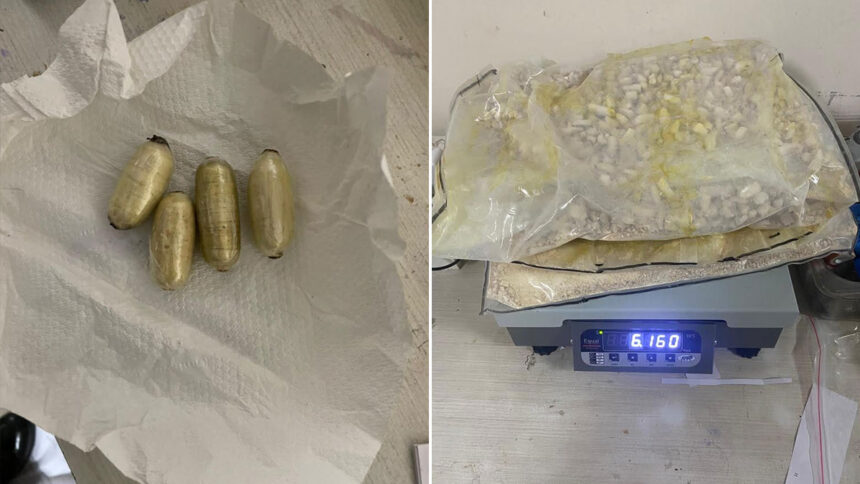
The crackdown was carried out at the airport with a series of coordinated checks and intelligence-based profiling. The biggest seizures included hydroponic weed-a high-potency form of cannabis grown using water-based nutrient systems instead of soil. In the first set of operations, officials seized 25.318 kg of the substance, valued at over ₹25 crore, and detained seven passengers. In a parallel series of interceptions, an additional 26.981 kg worth nearly ₹27 crore was seized, leading to the arrest of eight more people.
The similarity between the consignments and the timing of the arrivals suggests a well-orchestrated smuggling ring using multiple flight couriers to avoid detection. Hydroponic weed, unlike traditional cannabis, fetches a premium price because of its high potency, controlled cultivation, and thus is an expensive commodity among traffickers.
Smuggling of Gold and Diamonds Uncovered
Besides the narcotics seizure, the Customs Department foiled attempts to smuggle precious metals and stones—a perennial problem faced by major international airports. In four different cases, officials recovered 551 grams of 24-carat gold, valued at about ₹65 lakh. These were cases involving passengers hiding gold within their personal effects or attempting to evade green-channel declarations.
The most unusual discovery came in the form of 469.75 carats of diamonds, including both natural and lab-grown stones, which were found concealed inside a passenger’s body cavity. Valued at more than ₹54 lakh, this method of concealment highlighted the extent of risk traffickers are willing to undertake and the sophistication of smuggling techniques employed.
Arrests and Continuing Investigation
With 20 arrests in the cases, the authorities have now begun mapping the wider network behind the operations. Preliminary investigations reveal that the smugglers may be part of a multi-country syndicate that uses Mumbai as both an entry and distribution point. The Customs Department is coordinating with other intelligence and enforcement agencies to trace the origins of the contraband, identify handlers within India, and determine links to international supply chains.
Officials say such large-value consignments are not just isolated attempts at smuggling but part of a larger logistics pipeline that also involves frequent, smaller volume smuggling to avoid detection. The use of hydroponic weed also hints at links with suppliers in regions known for their advanced cannabis cultivation.
Why This Seizure Matters
The massive haul underlines persistent vulnerabilities at global aviation hubs. As India’s busiest airport, CSMIA sees a massive influx of thousands of international passengers daily, hence becoming an attractive route for traffickers who seek to camouflage their attempts amidst crowded travel flows.
Hydroponic marijuana, gold, and diamonds are the most prevalent types of contraband that have been seized, as each has strong domestic demand and an active black market. The seizures indicate yet another emerging trend: high-value, low-volume smuggling, where traffickers switch from bulk shipments to compact, high-quality merchandise that yields more lucrative returns per kilogram.
Also, the finding of diamonds hidden internally reflects a growing desperation at the smuggling chains to beat improved surveillance systems, inclusive of sophisticated scanners and behavioral profiling that airports have taken to in recent years.
Impact on Travellers and Airport Security
Incidents of this nature often raise the security quotient and lead to closer surveillance of passengers. Passengers clearing customs at CSMIA may face further delays as the Customs Department tightens inspections and steps up profiling of high-risk flights and routes.
While this might cause a hassle for passengers for the time being, authorities assert that such checks are necessary in keeping India’s aviation security framework intact. Conclusion The ₹53-crore seizure at CSMIA stands as a cogent reminder of the ever-changing face of smuggling operations and the requirement for constant vigilance at international gateways. With investigations underway, the case is expected to unravel deeper insights into trafficking networks operating across borders. For now, the haul serves as a major victory for enforcement agencies and a warning signal for syndicates that Mumbai’s airport remains under close watch.