Navi UPI Teams Up with ONDC to Bring Seamless Metro QR Ticketing to Delhi, Mumbai and Bengaluru
India’s metro networks are the lifelines of urban travel, carrying crores of passengers every single day. Yet, long queues, cash payments and multiple apps still slow down millions of daily journeys. Now, fintech player Navi UPI has taken a major step toward solving this.
Navi UPI has partnered with the Open Network for Digital Commerce (ONDC) Network to introduce an end-to-end digital metro ticketing experience. Commuters in Delhi, Mumbai and Bengaluru can now buy metro QR tickets directly from the Navi app. And this is just the beginning, with more cities like Chennai, Hyderabad and Kochi soon joining the list.
This integration is built to make metro travel fast, simple and paperless—bringing commuters closer to a future where mobility is truly digital.
A Big Step Toward Digital Mobility
One App for Tickets, Routes and Payments
Through the ONDC-powered integration, Navi UPI users can now plan metro routes, buy single or return journey QR tickets, and pay instantly—all inside one app. There is no need to stand in cash queues or switch between a route planner, a payments app and the metro’s official app.
For millions of daily riders who often rush to catch a train during peak hours, this means saved time, fewer hassles and a smoother journey.
Faster Rides, Zero Paper Waste
QR tickets mean commuters can skip ticket counters entirely. They simply buy the ticket on Navi, walk to the gates and scan the QR code. This eliminates paper tickets, reducing both waste and operational load on metro staff.
Why This Partnership Matters
Bringing Metro Ticketing to the ONDC Network
ONDC’s goal is to build open, interoperable digital systems that anyone can plug into. By joining the network, Navi becomes one of the first fintech players to extend metro ticketing across multiple cities through a single integration.
This means Navi didn’t need to individually partner with each metro authority. Instead, ONDC’s open ecosystem allows the app to connect with multiple metro systems through one unified set of standards.
A Major Win for Commuters
Millions still use cash to buy metro tickets daily. Despite India being a global leader in digital payments, more than 40 percent of metro commuters rely on cash or physical tickets. This partnership aims to reduce that dependence by offering a one-tap digital solution.
What the Leaders Said About the Integration
Navi’s Vision: No More Delays, No More Daily Hassles
Rajiv Naresh, MD and CEO of Navi Limited, highlighted the company’s mission clearly. According to him, metro travel should not be slowed down by outdated payment methods. He said that more than a crore Indians use metros every day, yet many still face delays due to queues and cash-dependent systems.
He explained that Navi’s goal is simple: make everyday payments fast, convenient and uninterrupted. By integrating metro QR ticketing into Navi UPI, the company aims to bring true digital mobility to daily commuters.
ONDC: Changing How India Moves
Nitin Nair, Senior Executive Director at ONDC, said Navi’s integration reflects how open networks are transforming India’s digital landscape. With one integration, Navi is now able to offer QR ticket purchases for several metro systems across cities—something that would have taken months or years through traditional bilateral partnerships.
He added that as more companies join open ecosystems, consumers benefit from seamlessly connected services that make daily life simpler.
Where the Feature Is Live Now
Metro Systems Already Integrated
Commuters in the following metro systems can already buy QR tickets via Navi UPI:
- Delhi Metro
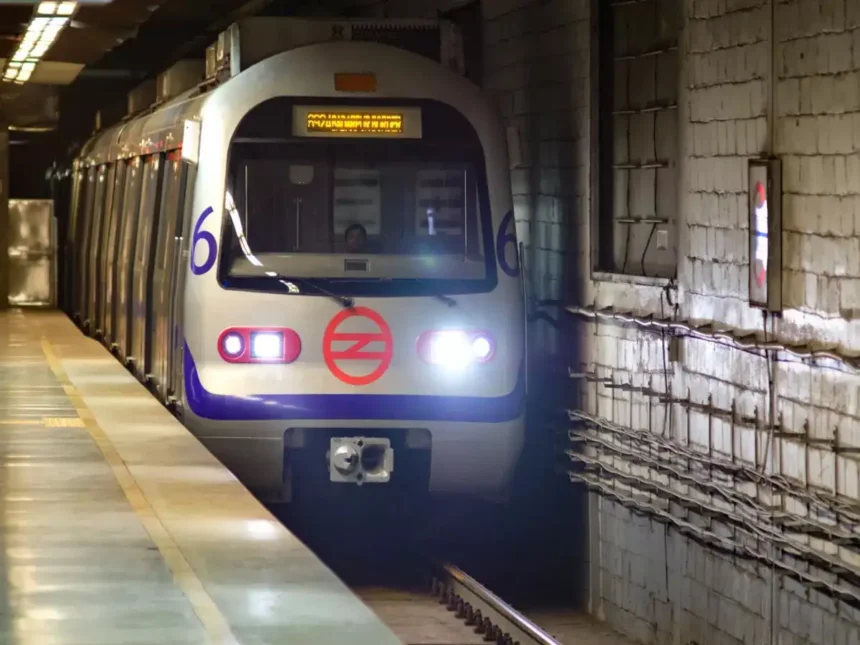
- Mumbai Metro (Lines 1, 2A, 7 and 3)
- Bengaluru Metro
This covers some of the busiest corridors in the country, making the rollout instantly useful for lakhs of commuters.
More Cities Coming Soon
Navi announced that the feature will soon expand to:
- Chennai Metro
- Hyderabad Metro
- Kochi Metro
This will further widen the digital ticketing ecosystem and bring mobility services in more cities under one convenient platform.
How the Navi UPI Metro Ticket Feature Works
Quick, Simple and Designed for Daily Use
The process has been built to be as intuitive as possible:
- Open the Navi app and choose the metro ticketing option.
- Enter your start and end stations.
- Buy either a single or return QR ticket.
- Pay instantly using Navi UPI.
- Scan the QR at the entry gate and start your journey.
There’s no need to top up a metro card or wait at the counter. Everything is handled digitally and instantly.
Completely Paperless
Since the QR ticket lives inside the app, users don’t have to worry about losing a ticket or carrying physical tokens. This reduces waste and aligns with modern digital mobility standards.
Why India Needs Fully Digital Metro Ticketing
1.15 Crore People Use Metros Daily
India’s urban metro systems serve a massive 1.15 crore passengers every day. Yet, despite the country’s digital payment revolution, a significant number of riders still depend on cash or physical tokens.
Digital solutions like Navi UPI’s QR ticketing can reduce pressure on ticket counters, improve crowd flow at stations, and cut wait times during rush hours.
Faster Entry, Fewer Queues
QR tickets eliminate long lines, especially during:
- Morning office rush
- Evening return journeys
- Weekends and festive days
- Tourist-heavy days
This creates a smoother experience for all commuters and reduces gate congestion.
Encouraging Digital Adoption
By making digital ticketing easy, intuitive and rewarding, Navi UPI hopes to drive more people to switch from cash to digital modes for everyday travel.
What This Means for India’s Mobility Future
Unified Digital Transport
As ONDC continues to expand mobility offerings, a future where buses, metros, autos and other transport services are connected through a single network becomes increasingly possible. Navi UPI’s integration is a step toward that vision.
Enabling Innovation
With open networks, services like trip planning, subscriptions, smart passes, multimodal transport and integrated travel payments could become reality.
Making Cities Smarter
Digital ticketing means better data on ridership, peak times, travel patterns and station congestion—information that can help cities improve urban transport systems.
The Road Ahead
Navi UPI plans to integrate more cities and transport systems soon. The company aims to bring everyday mobility into the digital age by offering commuters one simple, unified platform for all their daily travel needs.
With the backing of ONDC’s open network and India’s growing digital payment ecosystem, this partnership signals a major step forward for smart mobility across the country.