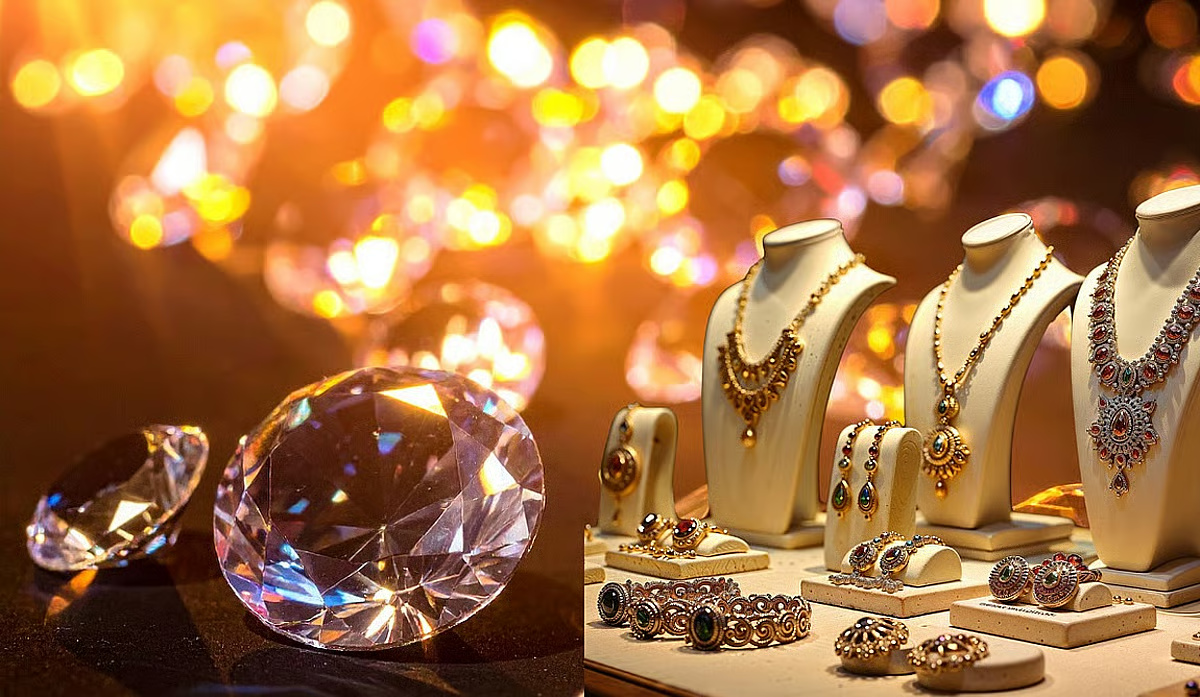
Mumbai, 13 November 2025 — The Maharashtra government today announced a comprehensive five-year policy to promote the gems and jewelry industry in the State in order to revitalize one of India’s top export sectors. The new policy, covering 2025–2030, provides for financial incentives, infrastructure support, and strategic development plans, showcasing a strong commitment to making Maharashtra the world’s centre of gems and jewellery manufacturing and trade.
The policy rollout has an initial budget allocation of about ₹100 crore, aimed at facilitating industrial clusters, modern manufacturing facilities, and also skill development programs. According to officials, the policy could attract investments of about ₹1 lakh crore over the next five years and generate employment opportunities for over five lakh people across the state.
The main hubs in Maharashtra include the Bharat Diamond Bourse in Mumbai, India Jewellery Park in Navi Mumbai, SEEPZ, and historic Zaveri Bazaar. The focus of policy implementation is essentially on upgrading the infrastructure, adaptation to technology, and smooth regulatory mechanism at these locations so as to enhance productivity and competitiveness.
“The gems and jewellery business is a high-value and labour-intensive industry, which can vastly improve the country’s exports and also employ a lot of people,” added a top-ranking officer from the Maharashtra Industrial Development Corporation (MIDC). “Our policy aims to offer a strong ecosystem to the manufacturers, traders, and designers by bringing together financial support, modern infrastructure, and skill development for sustained growth.”
The policy focuses on the following critical areas:
Financial Incentives: Tax rebates, subsidies on capital investments, and interest support for MSMEs and startups in the jewellery sector. Special attention is being given to businesses adopting advanced manufacturing technologies and eco-friendly practices.
Infrastructure Development: Strengthening the existing clusters by modernizing their infrastructure to include automated manufacturing units, design studios, training centers, and trade facilitation offices. Full logistics support will also be ensured for smoother supply chains.
Skill Development and Training: Initiate programs for the training of artisans, designers, and technicians in internationally accepted modern jewellery-making techniques, CAD-based design, and international quality standards. This will help bridge the gaps in skills in the sector and enhance global competitiveness.
Export Promotion: Establishment of Trade Promotion Councils, holding of international fairs with the participation of local manufacturers in terms of linking them directly with international buyers, and simplification procedures related to export documentation and compliance.
Innovation and Design Support: This will be in the form of promoting research and development in innovative designs, ethical use of gemstones, and sustainable manufacturing processes. It will promote collaborations with design institutes and international experts.
Industry representatives welcomed the policy, stating that Maharashtra has conventionally been a leader in the gems and jewellery sector but is facing stiff competition from other states and international markets. “This policy is a game-changer,” said an industry spokesperson from Bharat Diamond Bourse. “It not only provides financial and infrastructural support but also focuses on skill development and global exposure, which are critical for long-term growth.”
Environmentalists, on their part, are cautiously optimistic about this policy, saying it had to perform a delicate balancing act between industrial growth and sustainability of the highest order. They added that raw material sourcing would have to be done responsibly, labor treated humanely, and ecological impact in and around the hubs carefully managed. It is expected that the policy will benefit both large-scale manufacturers and small-scale artisans, bridging the gap between traditional craftsmanship and modern industrial practices. By fostering an ecosystem that blends skill, innovation, and market access, Maharashtra aims to reinforce its position as India’s jewellery capital and a significant player in the global gems and jewellery market.
In sum, Maharashtra’s gems and jewelry policy reflects a strategic attempt to bring together economic growth, generation of employment, and export promotion. The state is creating an all-inclusive roadmap for sustainable growth in a sector that has for long been a cornerstone of India’s manufacturing and export economy by focusing on infrastructure, skill development, and technological adoption. As the policy unfolds over the coming years, stakeholders across the industry will be watching with interest to see the promise of this initiative translated into tangible benefits for businesses, workers, and the state economy.