Sharad Pawar asks state to reconsider levy on sugar mills
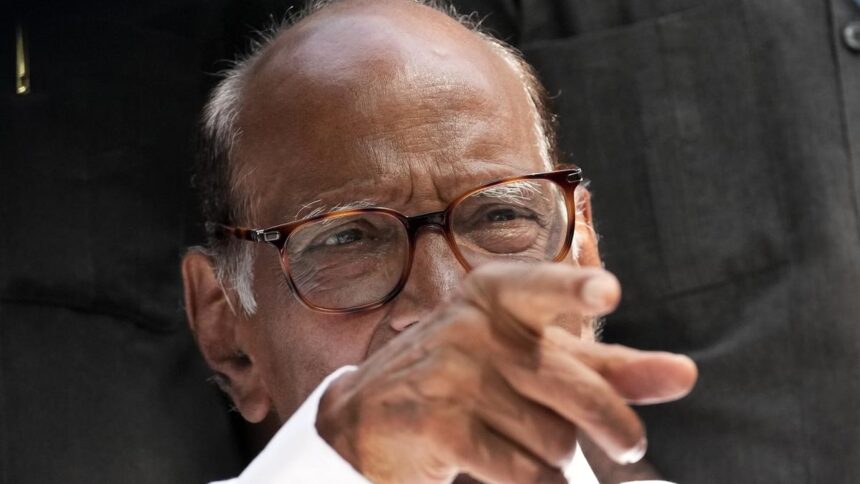
Senior political leader Sharad Pawar has appealed to the Maharashtra government to withdraw its decision to impose a levy on sugarcane mills. Calling the move a financial burden on the industry, Pawar said the levy is unfair and could hurt farmers and cooperative mills that are already facing economic stress.
The statement comes at a time when multiple leaders from across parties have joined in opposing the new levy. The government is now facing growing pressure to roll back or modify its decision.
What is the sugarcane levy and why is it controversial
The state government recently introduced a levy on sugarcane mills as a way to generate additional revenue from the sugar sector. The amount and structure of the levy have not been made fully public, but industry representatives say it adds extra cost to already struggling mills.
Sugar is one of Maharashtra’s biggest industries, and most mills operate as cooperatives owned by farmers. Any added financial pressure on mills usually leads to delayed payments to farmers and lower profit margins for both.
Farmer groups and political leaders argue that the levy will ultimately fall on farmers, who are already facing high input costs, unpredictable weather, and late payments.
Opposition voices unite against the levy
Several prominent leaders have joined Sharad Pawar in calling for the government to withdraw the levy.
Raju Shetti, a well-known farmer leader and head of the Swabhimani Shetkari Sanghatana, said the levy is completely unjustified and will put additional pressure on sugarcane growers. He questioned the timing of the move and demanded immediate withdrawal.
Congress MLC Satej Patil also voiced strong opposition, saying the levy is an unnecessary financial burden on the sugar sector. He warned that it could damage the rural economy, especially in regions where sugar mills are the main source of employment.
NCP (Sharad Pawar faction) MLA Rohit Pawar said the decision is unfair and will harm cooperative mills that are already struggling to stay afloat. He added that instead of imposing levies, the government should be supporting mills and farmers with policy reforms and incentives.
Potential impact on the sugar industry
The sugar industry in Maharashtra is not just about business, it is the economic backbone of many rural areas. Thousands of families depend on the success of sugar mills, either directly or through farming, transport, and other allied sectors.
The levy could have several effects:
- Reduced profits for mills and farmers
- Delays in clearing farmer dues
- Lower capacity for mills to invest in infrastructure and upgrades
- Job losses in rural areas if mills reduce operations
Industry experts have warned that the levy may discourage production and lead to further financial strain across the sugar belt.
Sharad Pawar’s appeal and suggestions
Sharad Pawar has urged the Maharashtra government to withdraw the levy in the interest of farmers and the rural economy. He said that before taking such decisions, the state should consult with stakeholders, including mill owners, cooperative bodies, and farmer unions.
He also advised the government to explore alternative ways of raising revenue that do not affect key agricultural sectors. According to him, any policy that increases costs for cooperative institutions must be approached with caution.
Government response awaited
As of now, the Maharashtra government has not issued a formal statement in response to the opposition raised by Sharad Pawar, Raju Shetti, Satej Patil, and Rohit Pawar. However, political analysts believe the growing pressure may force the government to revisit its decision.
With upcoming local and assembly elections in sight, leaders are expected to take a strong stand on farmer issues, and the sugarcane levy may become a flashpoint in rural campaigning.
Will the government roll back the levy
Whether the state will stick to its levy or withdraw it remains to be seen. But with strong voices from across the political spectrum opposing it, the decision could see amendments or delays. Many are also watching to see how sugar cooperatives and farmer unions respond in the coming weeks.
The issue has brought into focus the need for a more inclusive policy-making process when it comes to sensitive sectors like agriculture and rural industry.
Final thoughts
The sugarcane levy may appear to be a revenue strategy for the government, but it has stirred up deep concerns across Maharashtra’s political and agricultural landscape. With Sharad Pawar and others taking a clear stand against it, the state will have to balance its financial goals with the needs of farmers and cooperative institutions.
As the debate continues, one thing is clear: farmer-related decisions cannot be made without listening to those who are most affected.