Mumbai’s Civic Election Countdown Begins
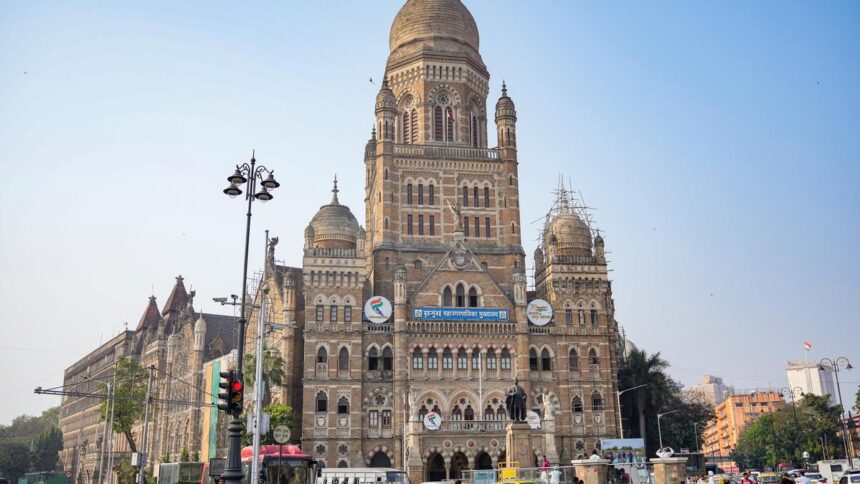
Mumbai is entering a new phase in its political journey. The State Election Commission has officially approved the new ward boundaries for the Brihanmumbai Municipal Corporation (BMC). This announcement, made official on October 6, 2025, has laid the foundation for the long-awaited civic elections in the city.
The finalised ward structure is now available for public view in the Maharashtra Government Gazette and on the BMC’s official website. This signals that the stage is finally set for the upcoming municipal elections, and the political atmosphere in Mumbai is already heating up.
What Is a Ward and Why Should You Care?
Wards: The Building Blocks of Local Governance
A ward is your local voting district. It decides:
- Who represents your area in the BMC
- How civic resources like roads, water supply, and sanitation are distributed
- Where public projects like gardens, footpaths, and public toilets get prioritized
Any change in ward boundaries can change who represents you, how funds are allocated, and which neighborhoods get grouped together. That’s why this change isn’t just about lines on a map—it’s about real impact on your everyday life.
What’s Changed in the BMC Map?
Still 227 Wards – But the Borders Have Shifted
One of the biggest takeaways from the finalised structure is that Mumbai will continue to have 227 electoral wards, just like it did during the previous 2017 civic polls.
However, many of these wards have been reshaped slightly:
- Some areas have been added to different wards
- Other wards have shrunk or grown in size to balance out population differences
- Certain neighborhood groupings have been altered
Even if your ward number hasn’t changed, the communities within it might have—and that could impact development priorities and voting patterns.
How Did We Get Here?
The Journey from Draft to Final Ward Map
Here’s a simplified timeline:
- A draft ward map was released earlier for public feedback.
- Citizens and political parties were invited to submit their objections and suggestions.
- Nearly 500 submissions were made by citizens and stakeholders.
- The State Election Commission conducted public hearings to review the feedback.
- On October 6, 2025, the final map was approved and published.
This process was all about ensuring transparency, public participation, and fairness before elections.
What This Means for You
For Citizens
- New Ward, New Representative: Your area might now fall under a different ward, which means your local corporator could change.
- Development Priorities Might Shift: Different wards have different budgets and plans. If your area has shifted to a new ward, what gets built (or repaired) might also change.
- Voting Location Could Be Different: Check your updated voter information before polling day.
For Aspiring Candidates
- Time to Recalculate Strategy: If your preferred ward has changed boundaries, your support base might be affected.
- New Competition: Candidates might find themselves contesting in a new mix of neighborhoods with different voter dynamics.
- Campaign Ground Game Changes: Canvassing strategies will need a reset based on updated ward geography.
For Political Parties
- Reassign Candidates: Parties will be closely analyzing which candidates now fit best into which revised ward.
- Reservation Shifts: Some wards may now be reserved for women or marginalized groups based on new demographic alignments.
- Data-Driven Campaigns: Expect political parties to rely heavily on analytics and voter profiling as they adapt to the new map.
What Stayed the Same?
The Total Number of Wards: 227
Despite earlier discussions about increasing the number of wards to 236, the final decision has kept the count at 227.
This provides some continuity for voters and candidates alike. However, because of population balancing and redrawing of lines, the character of each ward may still be quite different.
What’s Next? Election Timeline & Expectations
With the ward boundaries now officially locked in, the BMC elections are expected to take place in the coming months.
Current indications suggest that the polls could be held by January 2026, as per the legal timeline for local body elections.
Here’s what to expect soon:
- Official election schedule announcement
- Ward-wise reservation lists
- Voter list updates
- Start of candidate nominations and campaigning
The election code of conduct will also likely kick in shortly after the schedule is announced.
Will There Be Controversies?
Like with any major political change, some discontent is natural:
- Opposition parties may allege bias or unfair advantage to rivals.
- Some citizens may challenge the final map in courts if they feel ignored.
- Reservation-related debates could flare up once ward quotas are announced.
However, unless serious legal issues are found, the process is now moving ahead toward actual elections.
How to Find Out Your New Ward
You can now:
- Visit the official BMC website
- Navigate to the ward delimitation section
- Search using your address or pin code
- Download or view the updated ward map
This will help you:
- Identify your ward number
- Know your polling station
- Prepare for the upcoming civic elections
Final Thoughts: Mumbai’s Political Pulse is Back
After years of administrative rule and electoral delays, Mumbai is finally heading toward democratic renewal at the local level. With the ward boundaries finalised, the road to the BMC elections is wide open.
Whether you’re a voter, a first-time candidate, or a political veteran, this is the moment to:
- Get informed
- Get involved
- Get ready to vote
The decisions made in the coming months will shape Mumbai’s roads, infrastructure, health, water, sanitation, and much more for the next five years.
Now that the map is reset, it’s time for Mumbai’s citizens to take the lead.