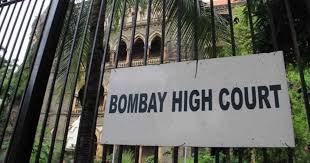
In a rare and unprecedented action highlighting judicial accountability, the Bombay High Court has removed two lower court judges from office on charges of serious misconduct and behavior unbefitting judicial officers.
What were the names of the judges and what were they accused of
The two judges who have been ousted from service are:
Dhananjay Nikam, Additional Sessions Judge at Satara
Irfan R. Shaikh, Civil Judge (Senior Division) at Palghar
Their firing was after a formal investigation by a disciplinary committee, which identified credible evidence of misconduct and corruption in one case.
In Nikam’s case, he was charged with accepting a ₹5 lakh bribe to release a criminal case on bail. The Anti-Corruption Bureau (ACB) filed a formal complaint, accusing middlemen acting on his behalf of asking for the bribe from a petitioner.
In respect of Shaikh, grave charges were leveled in connection with his handling of NDPS cases. He has been charged with abusing his power, such as by manipulating procedure, and in one dramatic charge, with appropriating narcotic drugs confiscated during proceedings.
Interestingly, a petition filed in the High Court protesting Shaikh’s behavior continues to be pending adjudication.
The process and significance
The High Court gave the nod to dismiss the judges after a thorough examination of the findings of the disciplinary inquiry.
The action is a demonstration of the judiciary’s determination to uphold internal integrity and impose stringent ethical standards on its own ranks.
The step is especially significant because the removal of sitting judges—particularly from the lower judiciary—is rare and arouses significant interest, both within legal communities and in the public sphere.
In its ruling, the High Court described the misconduct as “serious” and “incompatible with judicial office,” thus validating the drastic action of dismissal.
Implications and reactions
The High Court ruling sends a powerful signal that judicial office is not only a matter of prestige but also serious responsibility, and that betrayal of public trust will not go unchecked. Legal commentators view this as a move towards strengthening accountability in the system.
That being said, concerns regarding procedural protections, appeals, and oversight remain. For example:
Whether the ousted judges can appeal to have the order judicially reviewed
How the High Court will see to it that there is no undue interference or impartiality in probes
What will be put in place to curb recurrence of such incidents
For litigants and the public, the action can regain confidence in the courts, affirming that even judges are accountable when they deviate from ethical behavior.
Conclusion
The Bombay High Court’s rejection of Dhananjay Nikam and Irfan R. Shaikh is a firm affirmation of judicial discipline. By removing two judges on bribery, abuse of power, and misappropriation of the confiscated substances, the Court has upheld the fact that the bench is not above accountability. Whether this ruling will be converted into long-term reforms and institutional checks remains to be seen—but at present, the message is unambiguously clear: impropriety in the judiciary will not protect offenders from accountability.