On Wednesday, Mumbai, known for its high temperatures and negligible winter temperature changes, woke up to an unexpectedly cold morning, as the temperature drastically fell to 16.2°C at the Santacruz Observatory. This was the coldest November morning in over a decade, catching residents and meteorologists off guard alike. The sudden fall in temperature, quite unusual for the coastal metropolis during the beginning of winter, brought an unmistakable chill in the air, which the residents said was refreshing and startling in equal measure.
The Met department confirmed that the minimum temperature recorded was well below the normal minimum recorded in the city in November. In contrast, the Colaba station, which represents the island city, recorded a relatively mild minimum of around 21.6°C. The significant difference highlights microclimates within the city that inland suburbs in Mumbai tend to cool much faster due to lower humidity and reduced sea influence than the coastal areas.
Meteorologists attribute this sudden drop to strong northerly winds, which have been sweeping down from North India following a dip in temperatures across the plains. When these cold and dry winds reach Maharashtra, they have the tendency to bring down the night temperature rapidly, especially if the skies are clear. During clear nights, heat can escape more easily from the land surface, increasing the cooling effect. The combination of these factors resulted in Mumbai experiencing a distinctly winter-like dawn far earlier than expected.
The change was noticed by residents across the city immediately. Many reported waking up feeling unusually cold, reaching for jackets or shawls—items that often remain untouched until late December or January. Morning joggers in areas such as Bandra, Powai, and Mulund reported the breeze being “sharper than usual.” Others shared how the cold prompted them to delay switching on fans or opted for hot drinks to begin their day. Social media buzzed with Mumbaikars joking about the city’s “rare winter moment.”
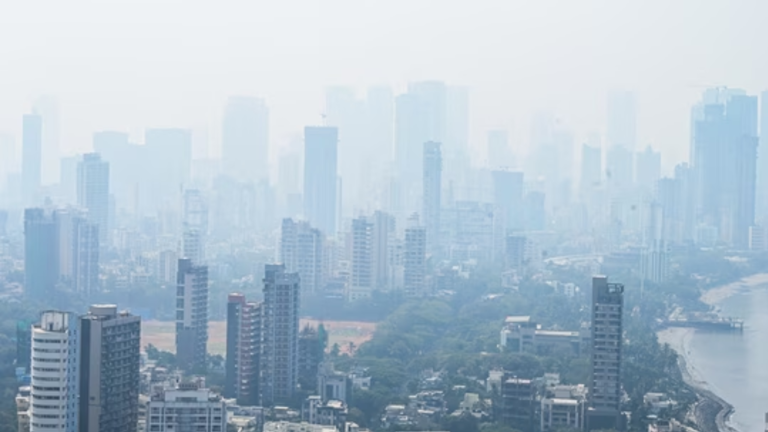
While the city is enjoying this novelty of weather, the chill brings with it environmental and health implications. One of the main concerns is deteriorating air quality. Lower temperatures combined with light winds often cause pollutants to remain trapped near the ground. In the past week, Mumbai has already recorded poor air quality levels, with several monitoring stations showing AQI levels above the 200 mark. Experts caution that colder mornings may exacerbate this trend, especially in traffic-heavy zones and construction-dense areas.
Health experts have also issued a word of caution. Sudden dips in temperature can trigger respiratory problems, especially among children and senior citizens, besides those suffering from asthma and other cardiovascular ailments. The medical fraternity recommends keeping the body warm early in the morning, wearing masks in areas with poor air quality, and staying adequately hydrated despite the cold.
This cold spell is part of a broader trend of unusual temperature fluctuations across Maharashtra and other parts of India. Towns like Pune, Nashik, and Nagpur have also seen below-average minimums, with single-digit temperatures in some parts. According to the meteorologists, this early cool phase indicates a quicker-than-normal transition into winter patterns; however, they noted that the cold phase in Mumbai may be short-lived.
Looking ahead, the IMD forecasts a slight rise in temperatures over the next few days, although nights are likely to remain considerably cooler than the normal November temperature. The sudden cold spell, however, set off discussions related to climatic patterns and how global changes could be impacting local weather. According to climate analysts, such fluctuations, while temporary, are indicative of a greater trend of heightened climatic variability wherein periods of intense heat are interspersed with spells of extreme cold in urban centers. For many residents, the strange morning was refreshing—a break from the unremitting humidity of this city. For urban planners and environmental experts, however, it’s also a wake-up call for proper air quality management, public health preparedness, and climate-responsive infrastructure. Such a weather pattern, although pleasant, underlines the sensitivity of natural climatic cycles to human-induced changes, especially when viewed against the growth and rapid urbanization of Mumbai. The coldest November dawn in more than a decade may be transient, but it serves to bring focus to the need for understanding and adapting to the evolving climate of the city.